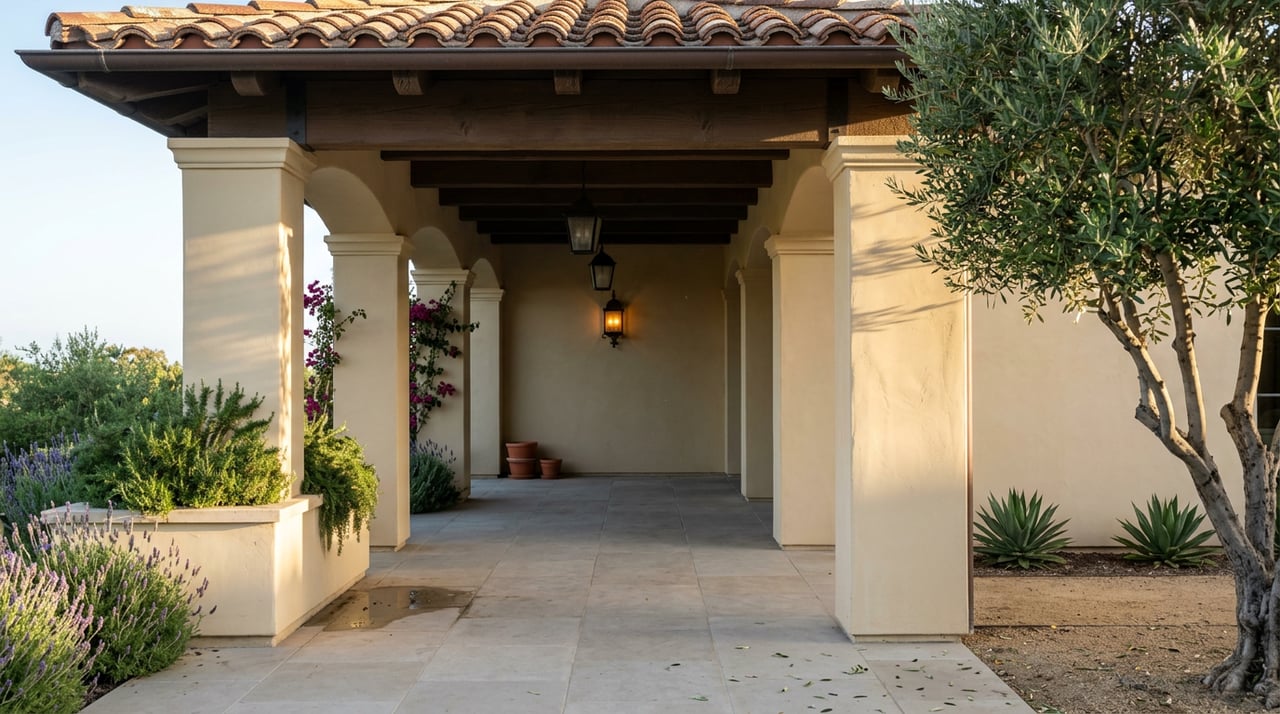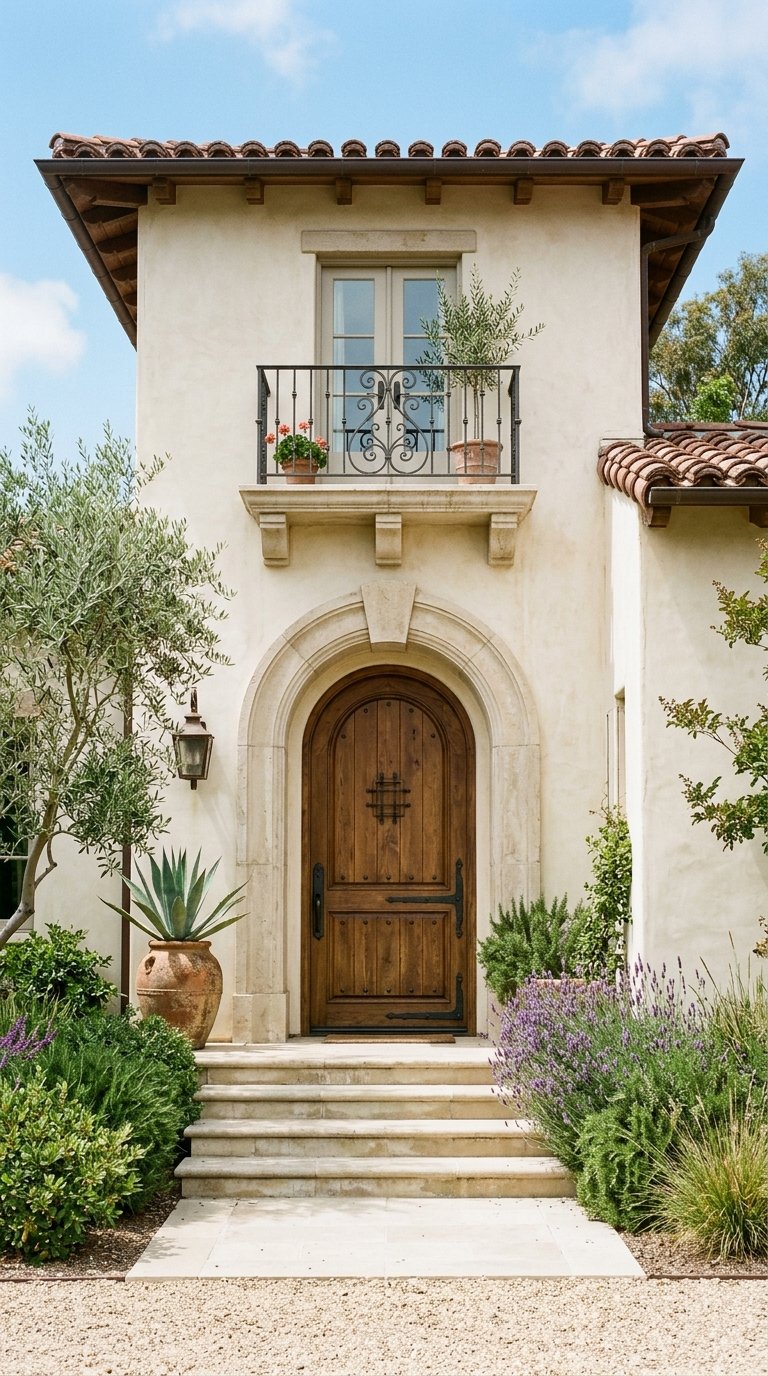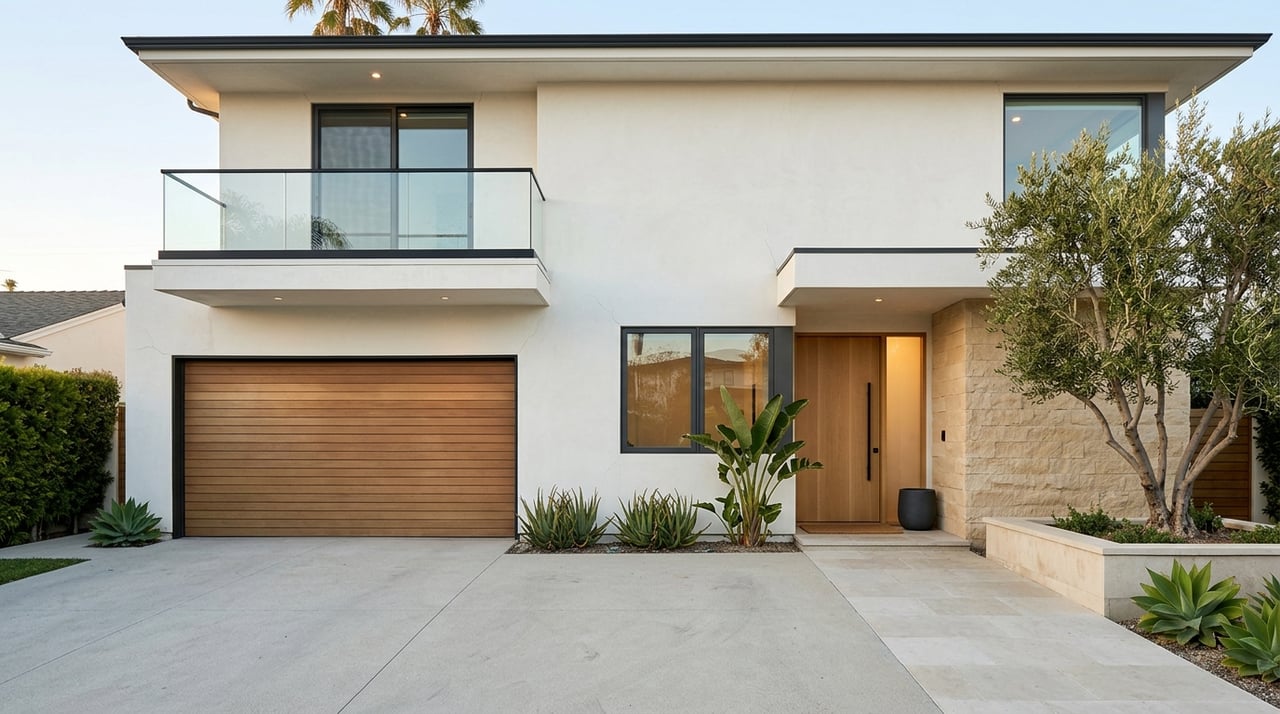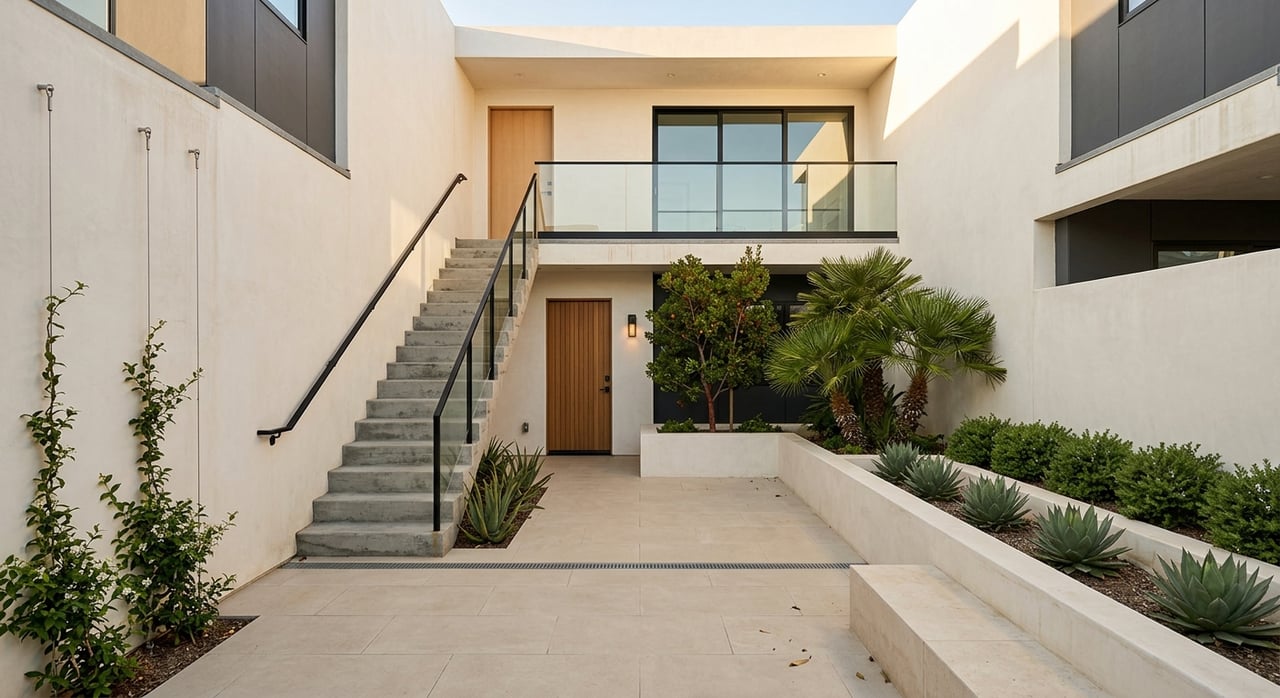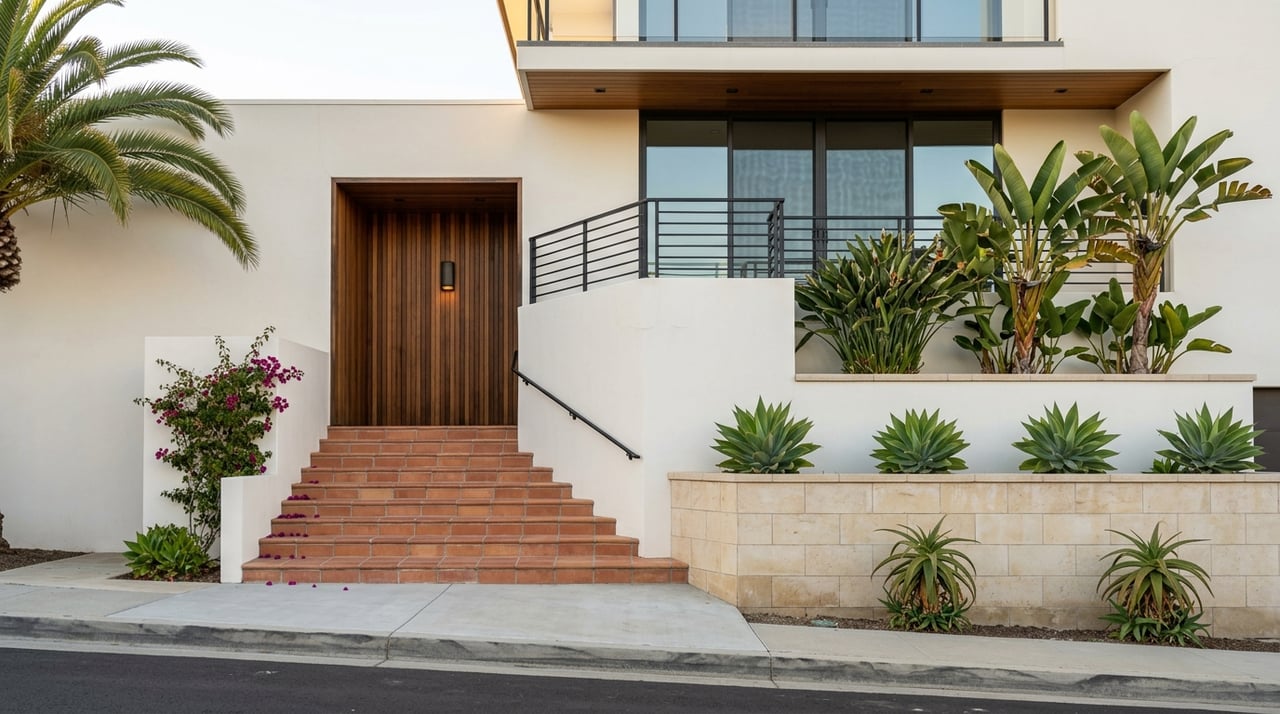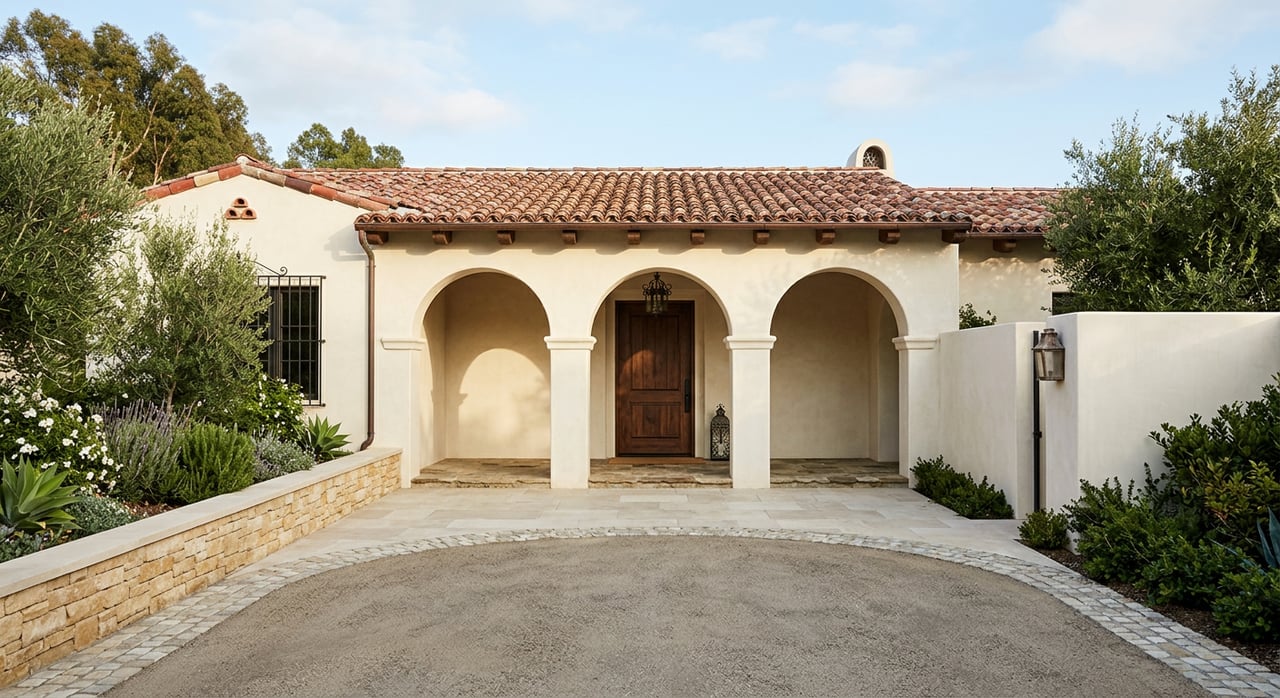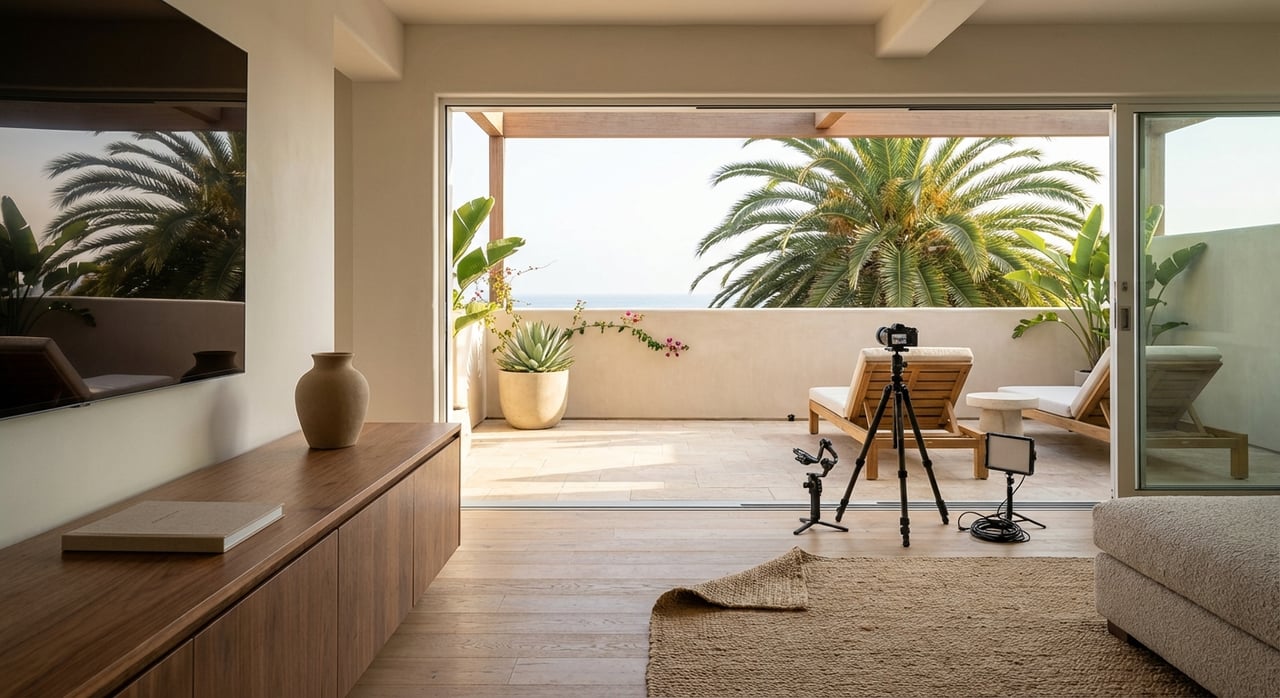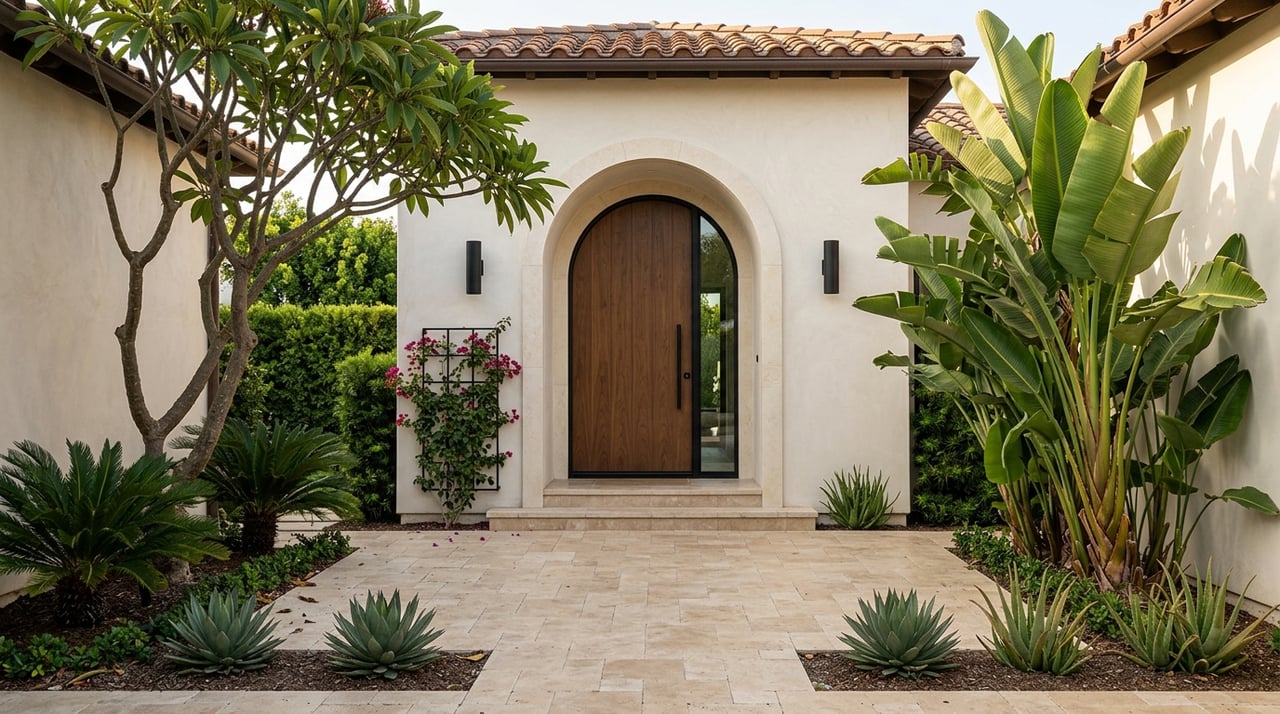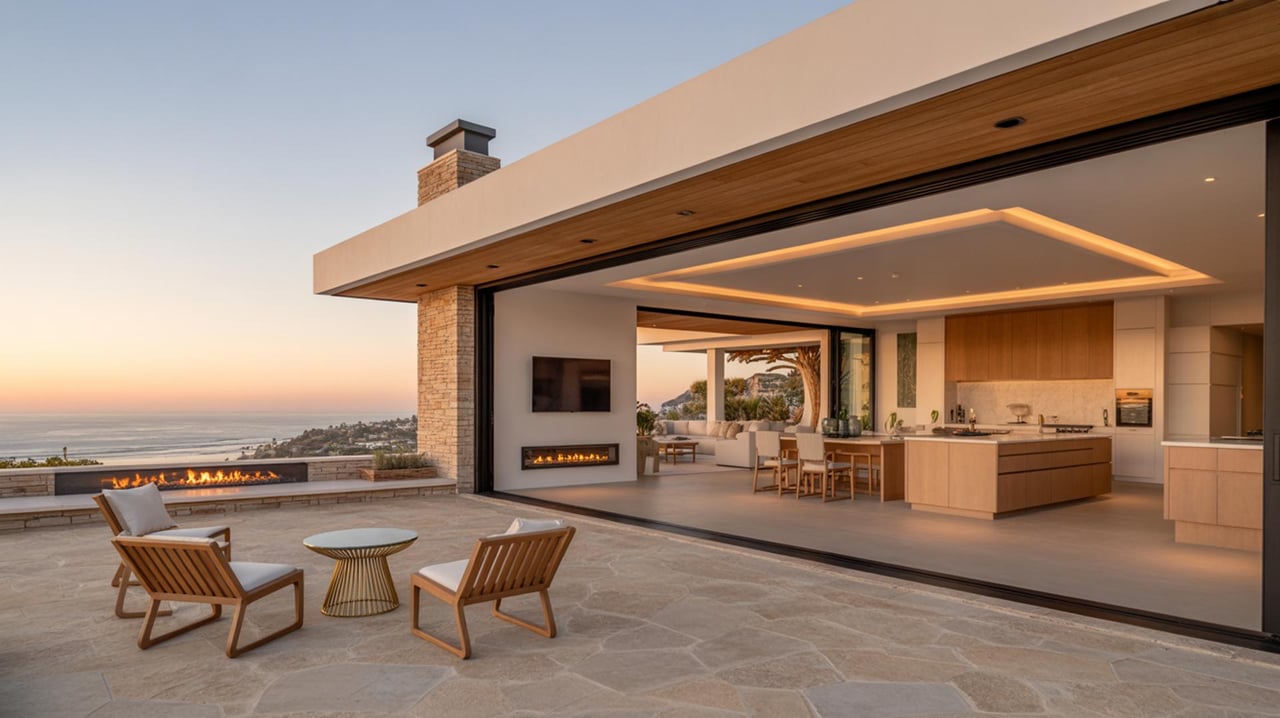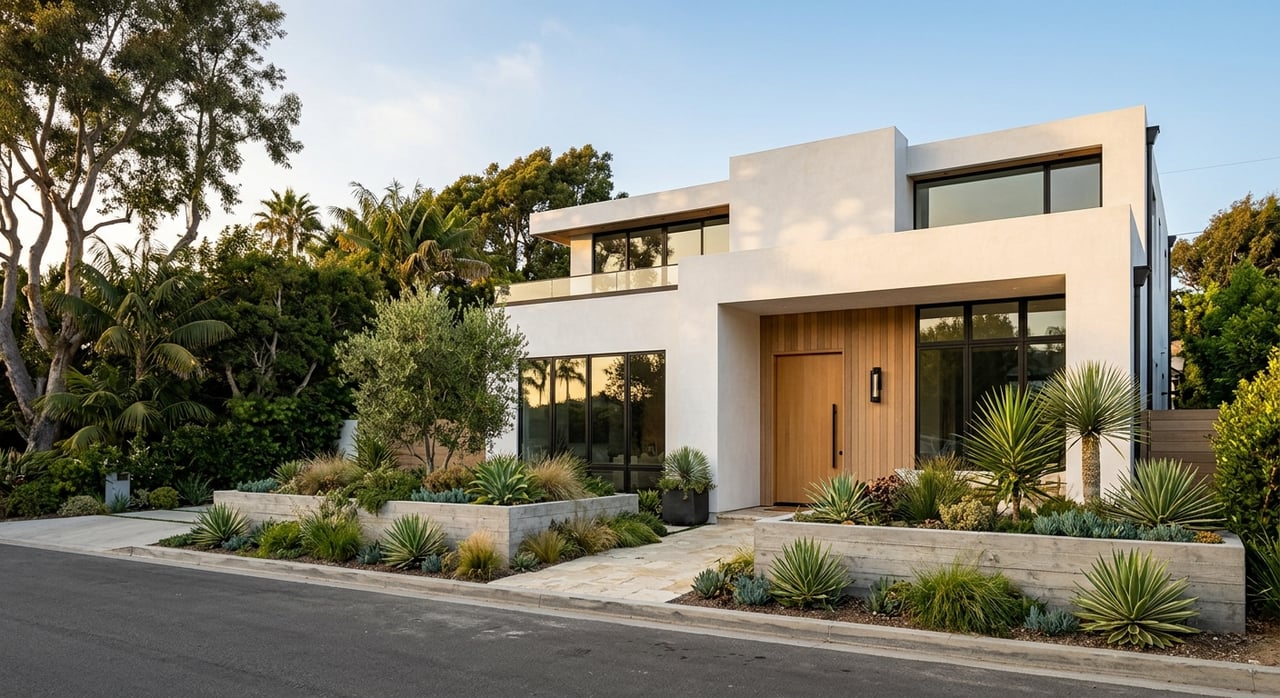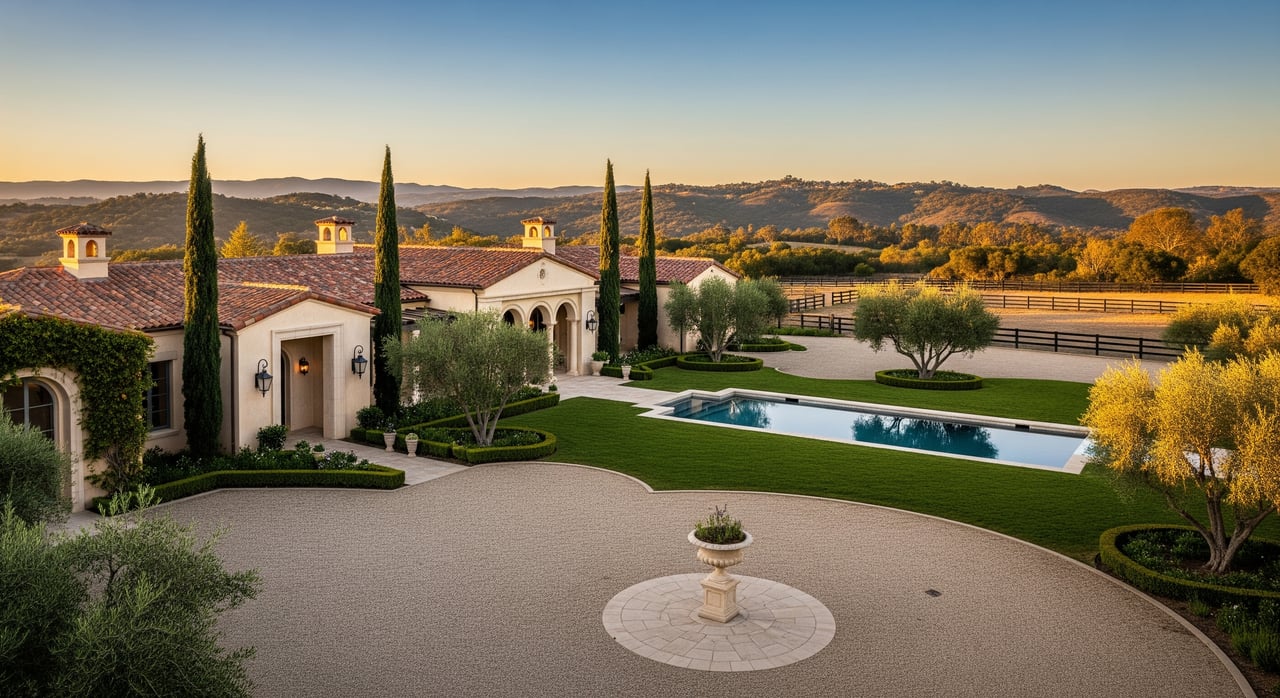
Two houses sit on the same Covenant street. Same lot size, same golf and tennis access, same 24-hour patrol coverage, same 60 miles of bridle trails. One owner pays roughly double the other's monthly HOA bill. Neither house is bigger. Neither owner uses the club more. The only difference is the year on the deed.
That's not a hypothetical glitch. It's how the Rancho Santa Fe Association is built, and it catches buyers off guard more often than the price tag does.
Almost every other California HOA charges a flat number. This one doesn't.
Most homeowners associations in California bill every member the same amount, or a number tied to something fixed like unit square footage or lot size. Buy into the HOA, and you know exactly what everyone else on your street pays.
Rancho Santa Fe's Covenant doesn't work that way. The Rancho Santa Fe Association assesses dues as a percentage of each property's county-assessed value rather than a flat per-lot fee, a structure MyRSF.net notes is unusual among California HOAs. For fiscal year 2026, that rate sits at $0.15 per $100 of assessed value, or 0.15 percent of what the county says your home is worth. Compare that to the roughly 1 percent you already pay in property tax, and the number looks small in isolation. It stops looking small once you factor in how California actually calculates "assessed value."
Prop 13 is the other half of the equation
Under Proposition 13, a home's assessed value resets to the purchase price at the time of sale, then grows by no more than 2 percent a year until the next sale. A buyer who closes today gets reassessed at today's price. A neighbor who bought fifteen or twenty years ago is still riding an assessed value that's a fraction of current market prices, capped at that slow 2 percent creep the entire time.
Because the Association's dues formula rides on top of that same assessed value, the gap in property tax between a longtime owner and a new buyer becomes a gap in HOA dues too. The Association's own literature is direct about this: new members who recently purchased typically pay far more in RSFA dues than members who have stayed in their homes for decades, simply as a function of how property taxes are calculated under Prop 13.
Run the math on a simple example. A buyer who closes in 2026 at $4 million gets reassessed at $4 million. At 0.15 percent, that's $6,000 a year, or $500 a month, before a single golf round or tennis lesson. A neighbor who bought the same style of home in 2010 for $1.2 million has an assessed value that's grown at 2 percent a year for sixteen years, landing somewhere around $1.65 million today. Their annual assessment comes out closer to $2,470, or roughly $206 a month. Same clubhouse. Same patrol car driving past both driveways. The new buyer is paying more than double.
The average you'll hear quoted hides the spread
If you ask around, you'll likely hear that RSFA dues average about $408 a month, a figure drawn from the Association's own fiscal 2026 numbers: roughly $10 million in assessment revenue collected across about 2,044 member properties. That average is real, but it's a blend of exactly the wide range described above. A recent buyer at the high end of the market is nowhere near $408. A longtime owner in an older, lower-assessed home might be well under it. Neither figure tells you what you, specifically, will pay, because your number gets set the moment you close, not the moment you compare notes with a neighbor.
It's worth knowing, too, that the rate itself has drifted upward recently. Association board records show the rate held at 14 cents per $100 of assessed value for at least six years before the Board raised it to 15 cents starting fiscal year 2024-2025, where it remains for fiscal 2026. California HOA law caps annual assessment increases at 20 percent unless members vote otherwise, and caps special assessments at 5 percent of the total budget under the same condition, a ceiling that on the Association's roughly $34 million fiscal 2025 budget would allow for about $1.7 million in additional assessment without a membership vote. None of that is alarming on its own. It's simply a number that moves, tied to a value that moves, layered on top of a purchase price that resets every time a home changes hands.
The list price you're comparing has the same volatility problem
Buyers coming from La Jolla or Del Mar often treat the median price they see on a portal as a stable reference point. In Rancho Santa Fe, that number swings hard depending on which week and which source you check, largely because so few homes trade in a given month.
Over the three months ending May 2026, Redfin reported a median sale price of $3.9 million, down 21.9 percent year over year, while its most recently tracked single month showed an average sale price of $6.88 million, up 41.9 percent year over year. A median falling while an average climbs in the same stretch is a signature of a market where a handful of ultra-high-end estate sales, or their absence, can swing the headline number by millions. Movoto's June 2026 figures put the median sale price at $5.395 million with a median of 147 days on market, compared to 102 days the year before. As of the week of July 9, 2026, Altos Research put the median list price at nearly $7.95 million, well above any of the recent sale-price medians, another sign of how few transactions are setting these numbers. Houzeo's February 2026 snapshot showed a sale-to-list ratio of 93.96 percent and noted that the share of Rancho Santa Fe listings with price reductions had risen from 12.5 percent to 31.25 percent year over year. Zillow's tracked typical home value, as of late June 2026, sat near $3.99 million, down 1.4 percent over the past year. None of these sources are wrong. They're measuring a market where only 11 to 24 homes sell in a typical month, and a single multimillion-dollar estate closing or falling through can move the median by six figures.
That volatility is worth sitting with, because it's the same root cause behind the HOA math. Both the sale price you see quoted and the HOA bill you'll eventually pay are driven by an individual assessed value, not a market-wide flat rate. In most neighborhoods, the sticker price and the ongoing cost of ownership are two separate questions. In Rancho Santa Fe's Covenant, they're the same question asked twice.
What this means if you're comparing Rancho Santa Fe to somewhere else
If you're weighing the Covenant against a gated enclave like Fairbanks Ranch or The Bridges, know that those communities generally operate under their own separate HOAs and CC&Rs rather than the Covenant's Protective Covenant and Art Jury structure, so the same assessed-value math doesn't automatically carry over once you're outside RSFA's boundary. Confirm which governance structure applies to any specific property before you assume anything about ongoing costs.
If you're staying inside the Covenant, ask for the seller's most recent RSFA statement during escrow, not just the current assessment rate. California disclosure rules already require sellers to provide governing documents and recent financials for review, and that statement will show you the seller's actual assessed value, not a blended average pulled from a website. Budget your own future dues off your anticipated purchase price, not off the number the current owner happens to be paying. The Association's amenities, including the golf and tennis clubs, the Osuna Ranch horse facility, and the 60-mile trail network detailed on the RSF Association's own site, don't change based on who's writing the check. Only the size of the check does.
Frequently asked questions
Does every home in Rancho Santa Fe belong to the Covenant HOA? No. The Covenant refers specifically to the historic core governed by the Rancho Santa Fe Association, covering roughly 10 square miles and around 1,900 homes. Properties outside that boundary, including some gated enclaves nearby, may have no HOA at all or a separate association with its own fee structure.
Can my RSFA dues go down if property values fall? Assessed value can decline if the county reduces its valuation. Association records describe a stretch when Covenant property values fell 3.2 percent, the first such countywide drop in three decades at that point. But because your assessed value is tied to your purchase price under Prop 13, a broad market dip rarely closes the gap between a recent buyer and a longtime owner by much.
Are club memberships included in the HOA assessment? No. The golf club, tennis club, and Osuna Ranch horse facility are self-funded through separate membership dues and user fees, distinct from the general HOA assessment that covers patrol, trails, parks, and administration.
Numbers like these are exactly why a private walkthrough with someone who tracks this market closely matters more than a portal search. If you're comparing Rancho Santa Fe against La Jolla, Del Mar, or another North County submarket and want the real math behind what you'd actually pay each month, reach out to Ryan Mathys to schedule a private Rancho Santa Fe consultation.