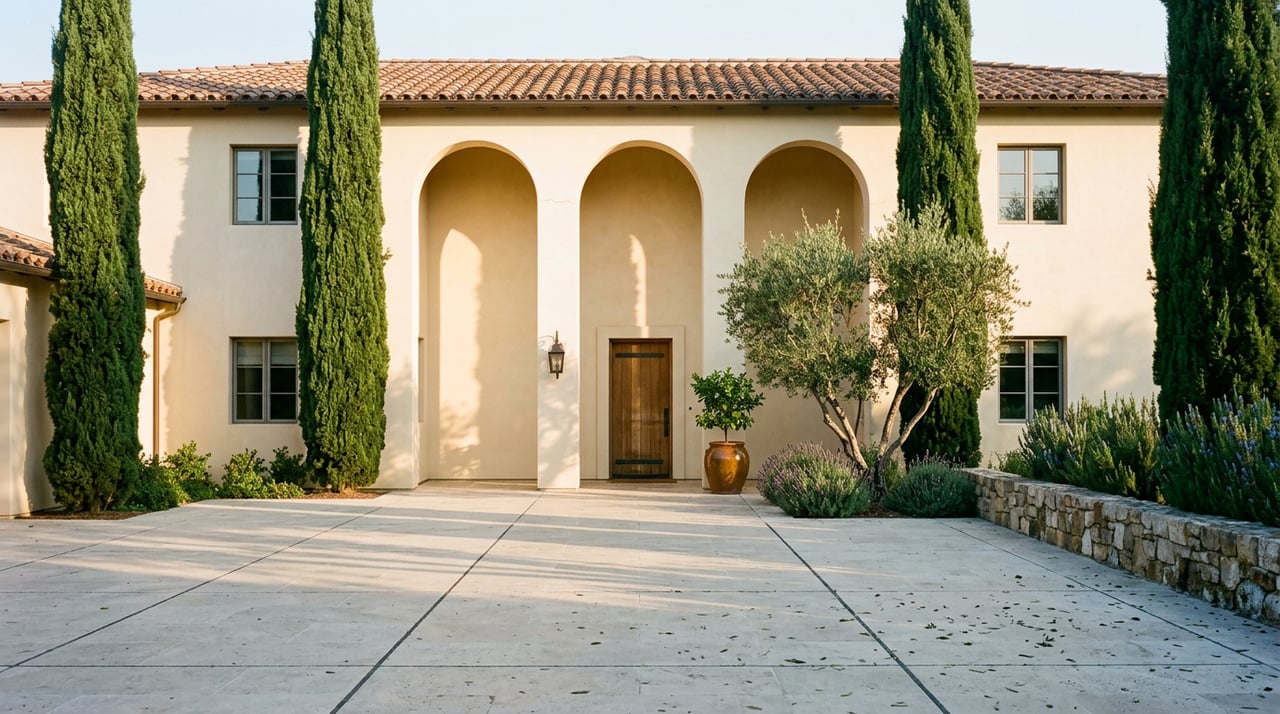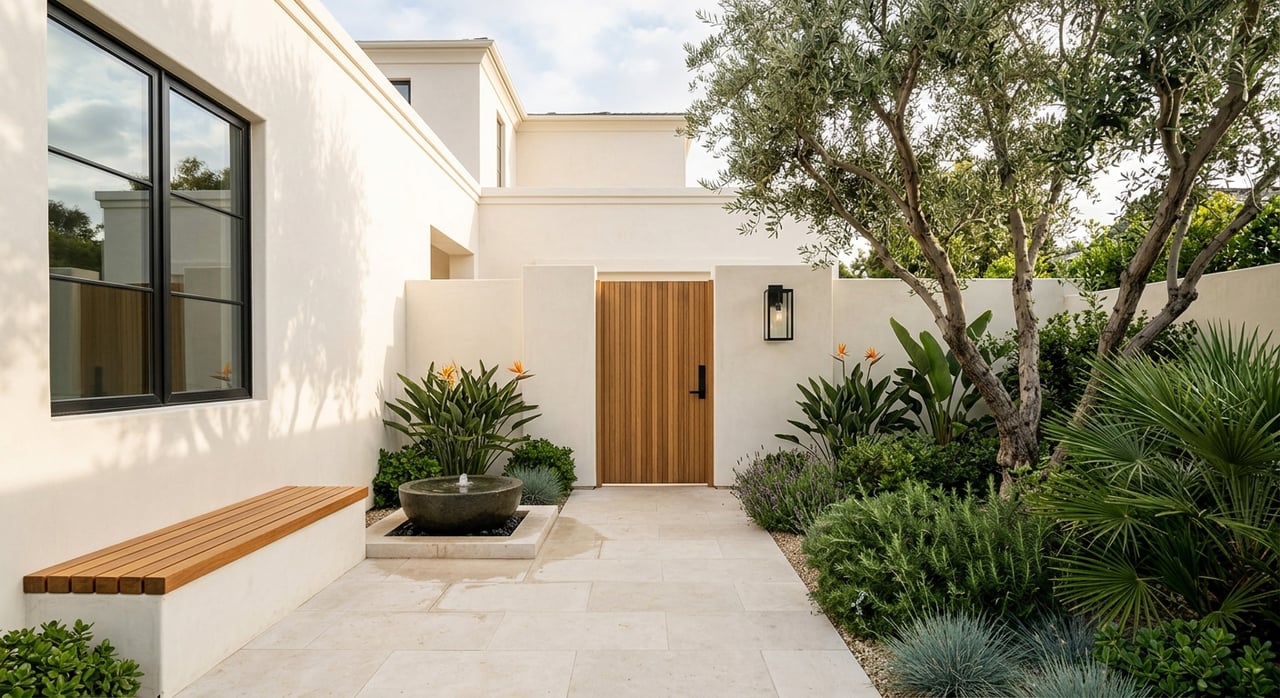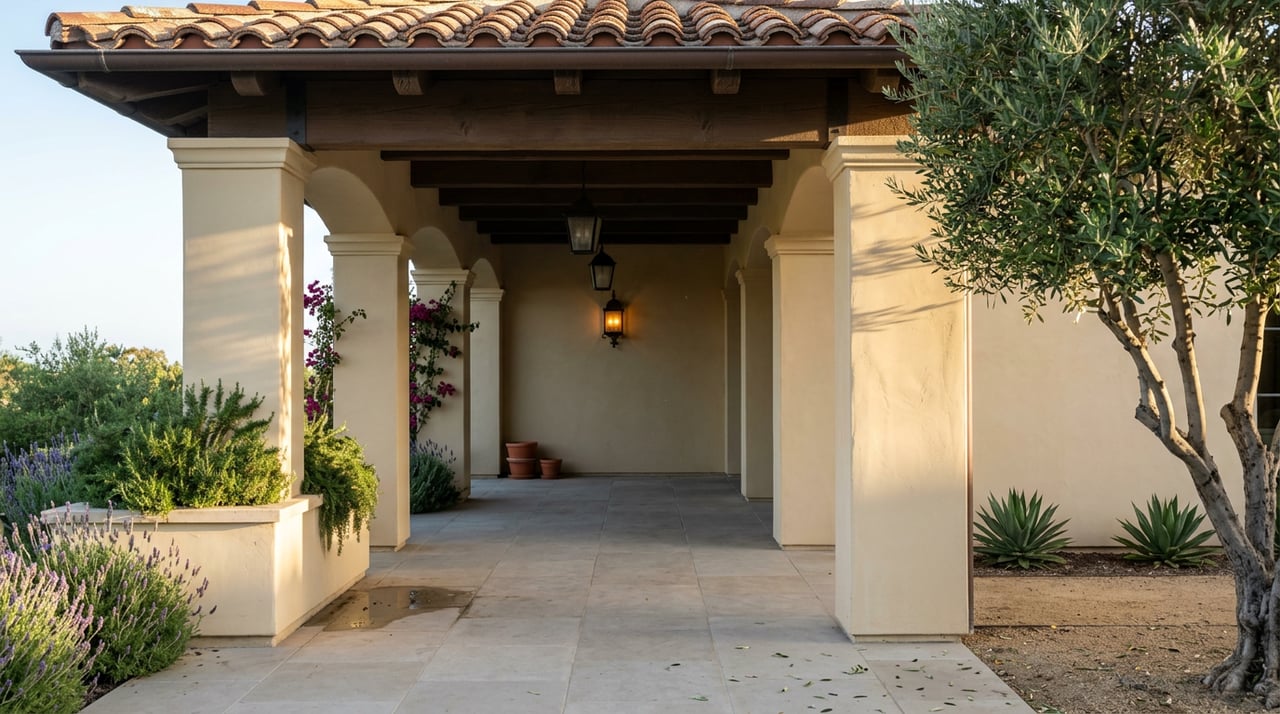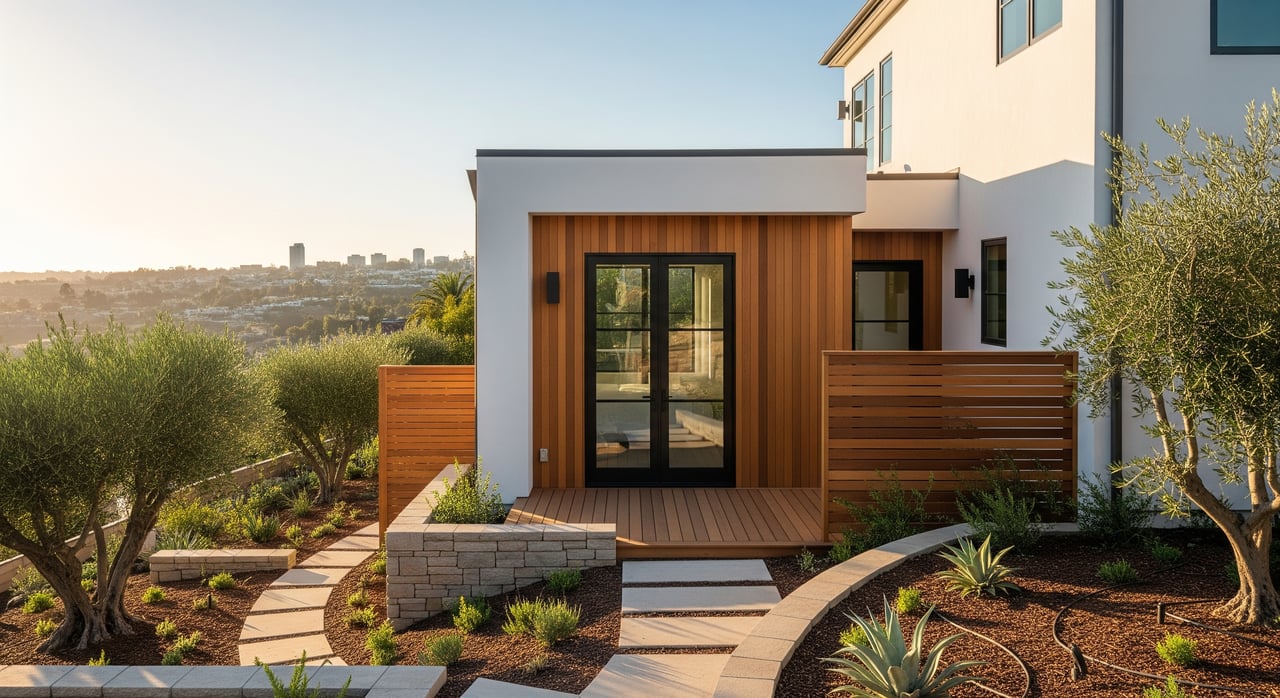
If you are eyeing a custom estate in Rancho Santa Fe, the beauty of the setting is usually obvious right away. What is less obvious is how many layers of rules can shape what you can build, remodel, maintain, or even change over time. If you want to buy with confidence, it helps to understand how the Association, San Diego County, and the local Fire Protection District can all play a role. Let’s dive in.
Rancho Santa Fe rules are layered
Rancho Santa Fe is not governed by one simple HOA checklist. The Rancho Santa Fe Association says it administers the Covenant on about 1,930 private and commercial properties across roughly 6,730 acres, with about 4,300 residents and average lot sizes of more than two acres. The Association also describes itself as functioning much like a small city, with building, planning, parks and recreation, and security functions.
At the same time, Rancho Santa Fe is in unincorporated San Diego County. That means County zoning and permit rules still apply, even when a property is also subject to Association review. County Building Services issues permits in unincorporated areas, and even work that does not require a permit still has to comply with zoning, health, and safety rules.
That overlap matters because the Covenant is not one uniform rulebook for every parcel. The recorded Protective Covenant includes multiple declarations that can apply to different tracts, and the Association’s code notes that different provisions may apply depending on the governing documents and district. In plain terms, two nearby properties may not have the exact same rule set.
Why parcel-specific research matters
In many communities, buyers can skim the HOA documents and get a decent sense of the rules. In Rancho Santa Fe, that approach can leave important gaps. A custom estate purchase often requires you to confirm exactly which Covenant declaration, use district, and tract-specific rules apply to the parcel you are considering.
This is especially important if you are buying with plans to remodel, expand, add estate features, or update landscaping. What looks feasible from the street may still require multiple levels of review. Early verification can help you avoid surprises after you remove contingencies.
What HOA documents usually control
In California, HOAs are generally governed by CC&Rs, bylaws, and board rules. The California Attorney General explains that CC&Rs can regulate issues such as fencing height and placement, while the Davis-Stirling Act covers areas like elections, finances, maintenance responsibilities, and dispute resolution. If you buy in a common-interest development, membership in the association is automatic.
For Rancho Santa Fe buyers, the practical starting point is the resale disclosure package required under California law. Before transfer, the seller must provide governing documents, recent HOA financial and disclosure documents, a statement of assessments and unpaid fees or fines, unresolved violation notices, any rental or leasing restrictions, requested board minutes, and the latest required inspection report.
Those materials are not just paperwork. They are the first place to confirm what is allowed, what may need approval, and whether there are unresolved issues tied to the property. For a high-value estate purchase, they should be reviewed with care.
Key Rancho Santa Fe documents to review
The Association’s public file library provides a useful roadmap for buyers and sellers. Documents commonly worth reviewing include:
- Protective Covenant
- Bylaws and Articles of Incorporation
- Regulatory Code
- Residential Design Guidelines
- Setback materials
- Internal dispute resolution materials
- HOA resale disclosure package
- County permit history and conditions of approval
- Fire District records related to sprinklers, fuel modification, and defensible space
If you are buying a custom estate, these records help answer a basic but critical question: is the property simply beautiful as-is, or does it also fit your future plans?
Custom estates face closer design review
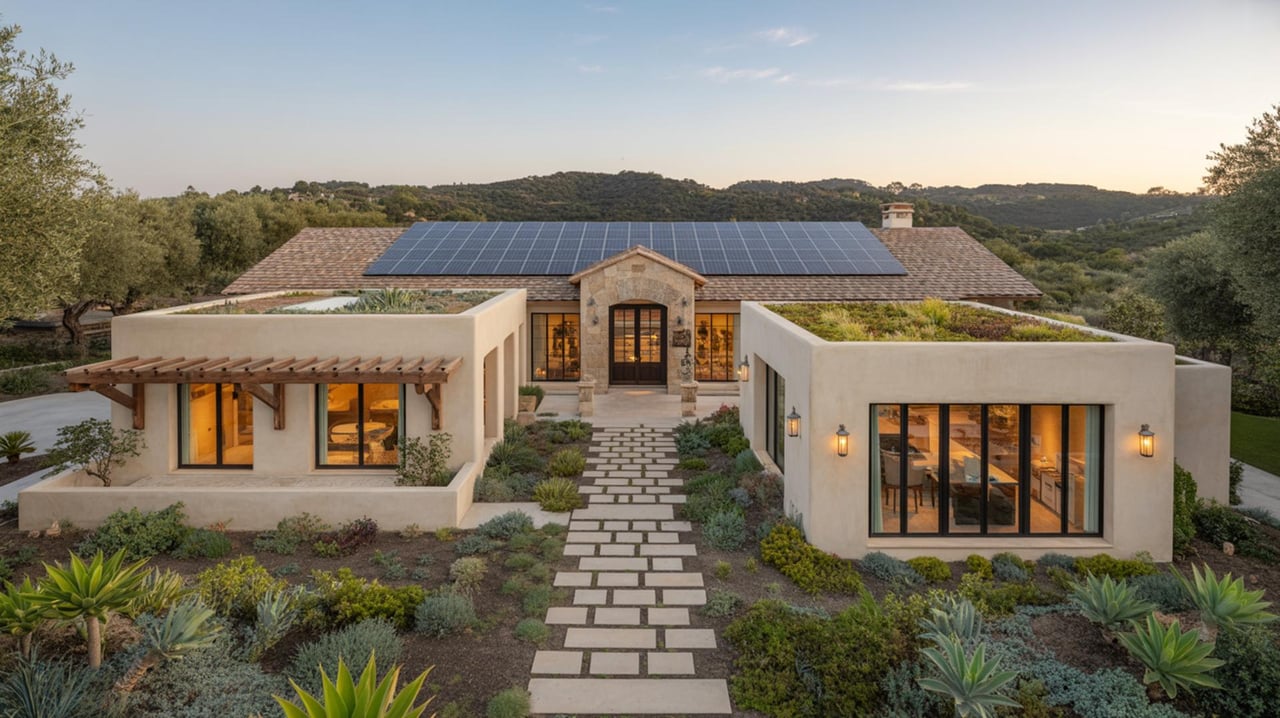
Rancho Santa Fe’s design standards are closely tied to the land itself. The Residential Design Guidelines emphasize low-profile, site-sensitive massing, horizontal proportions, blending into the landscape, and compatibility with neighborhood and community character. The Association’s code also says that lot size, building pad size, visibility, topography, and nearby character all affect what size and massing are considered appropriate.
That means a larger home or dramatic exterior change is not judged on square footage alone. Review can also focus on how the structure sits on the site, how visible it is, and whether it feels balanced with the surrounding setting. In a community known for large lots and open landscapes, that can be a major factor.
Features that often need approval
Many estate-style improvements are regulated construction items in Rancho Santa Fe. According to the local code, review can apply to items such as:
- Grading
- Fences and walls
- Gates and gateposts
- Roofs
- Accessory buildings
- Barns, stables, corrals, paddocks, and riding rings
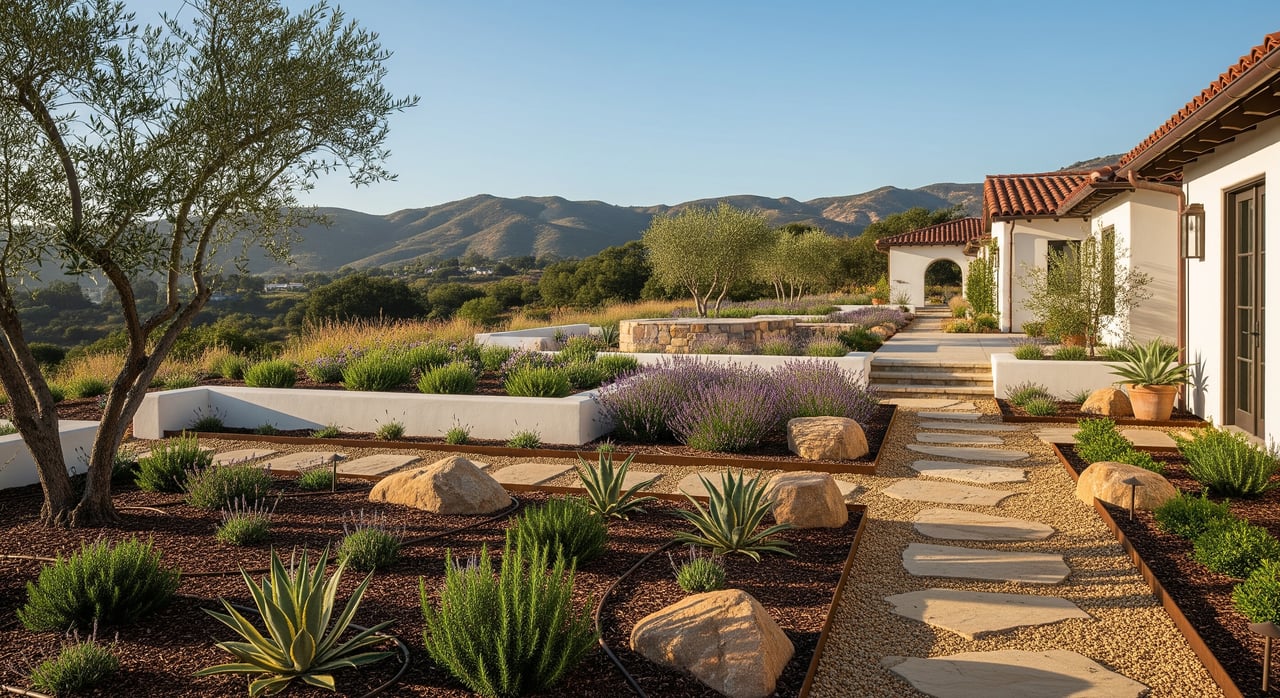
Landscaping also receives more scrutiny than many buyers expect. Approved landscaping stays under continuing Art Jury jurisdiction, must be kept in healthy condition, and may need to be replaced if it fails to flourish.
For buyers, this is a big point. If your vision includes a new arrival gate, expanded equestrian setup, reworked driveway, or major landscape redesign, you will want to understand the approval path before closing.
The Art Jury plays a major role
If the governing documents require approval for a physical change, California Civil Code requires the review process to be fair, reasonable, and timely, with written decisions and reconsideration rights. In Rancho Santa Fe, the Association says its Art Jury reviews development applications to preserve community character and maintain the Covenant’s high artistic result standard.
In practice, the Art Jury is often central to whether a remodel, addition, landscape revision, or site alteration moves forward smoothly. Buyers should not assume that a project is minor just because it feels cosmetic. Exterior changes can trigger a formal process.
County and fire review still matter
Association approval is only one layer. Because Rancho Santa Fe is in unincorporated San Diego County, the County building process can still involve multiple approvals depending on the scope of work. Research in permit history can reveal conditions tied to fire review, flood-control review, septic review, driveway review, or other sign-offs.
Fire-safety review is especially important for custom homes in this area. The Rancho Santa Fe Fire Protection District requires automatic fire sprinkler systems in all residential structures and requires landscape and fuel-modification plans for residential, commercial, and multifamily projects.
The District also says preliminary plan review looks at access, gates and driveways, turnarounds, slope setbacks, and fuel-modification zones. For some sales in High or Very High Fire Severity Zones, the District also performs AB 38 defensible-space inspections. That makes wildfire documentation part of standard due diligence, not an afterthought.
Why estate details matter here
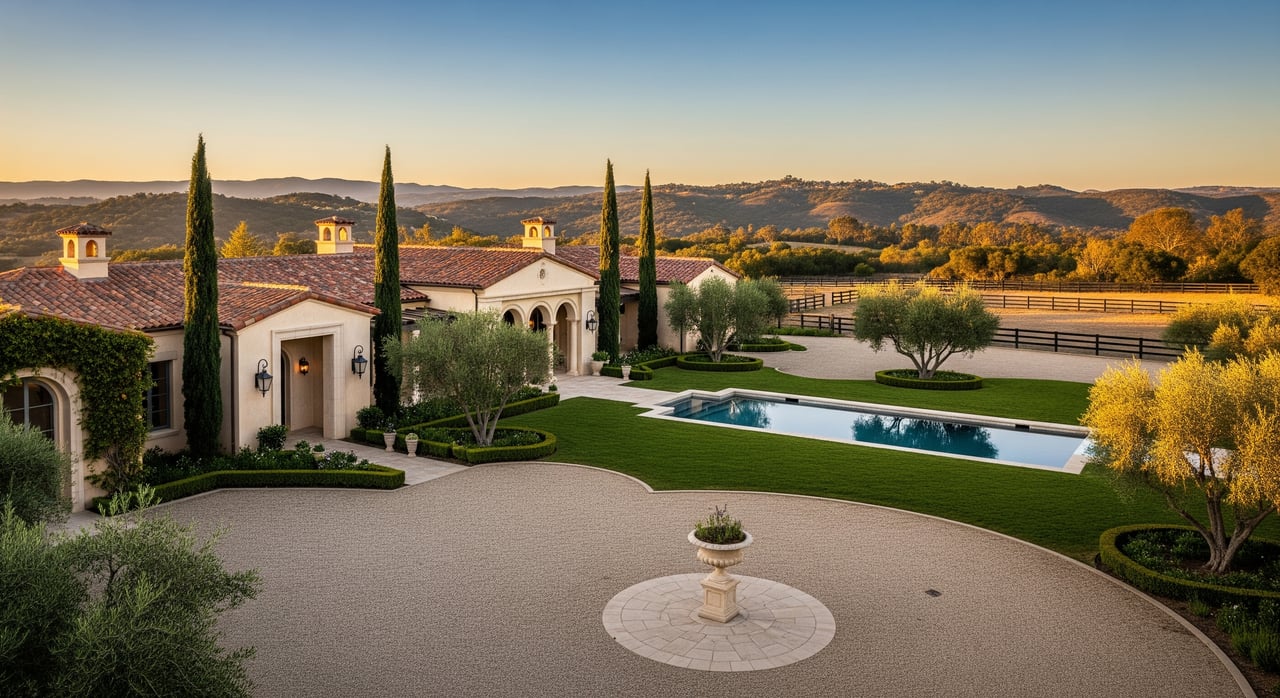
The level of scrutiny in Rancho Santa Fe makes more sense when you look at the broader setting. The Association says most of the community is rolling, low-density, large-lot residential development with a private equestrian and hiking trail network. It also says the Covenant includes nearly 60 miles of private trails and open-space areas.
In that environment, details such as screening, driveway placement, access design, equestrian facilities, and landscape buffering affect more than one parcel. They shape how an estate fits into the larger community pattern. That is why these issues often receive careful review.
Smart due diligence before removing contingencies
If you are serious about a Rancho Santa Fe purchase, your due diligence should be detailed and property-specific. A luxury transaction here often calls for more than reviewing disclosures at a high level.
A strong buyer checklist includes:
- Confirm which exact Covenant declaration, use district, or tract rules apply to the parcel
- Review the HOA disclosure package for fees, fines, violations, rental restrictions, board minutes, and inspection materials
- Check permit history and any conditions of approval through San Diego County
- Verify whether the Association, County, and Fire District all need to approve planned work
- Review Fire District records for sprinkler, fuel-modification, landscape, and defensible-space documentation
- Ask what exterior changes require Art Jury approval and what the normal review sequence looks like
- Clarify ongoing maintenance obligations for landscaping, screening, gates, and access drives
For sellers, this same preparation can help reduce friction. Organizing governing documents, permit history, and fire-related records before listing can make your property easier to evaluate for serious buyers.
What this means for buyers and sellers
For buyers, Rancho Santa Fe offers a rare custom-estate environment, but it rewards careful preparation. The right property may be one that not only matches your lifestyle today, but also supports your plans for design, access, landscaping, and long-term use.
For sellers, understanding the property’s documentation story can improve confidence during negotiations. When you can clearly show how the parcel fits within its governing framework, buyers often feel more comfortable moving forward.
In a market where privacy, land, and design carry real value, the details behind the scenes matter. Clear guidance through those details can make a complex purchase or sale feel far more manageable.
If you are considering a Rancho Santa Fe estate and want experienced guidance on navigating high-value North County transactions, connect with Ryan & Tracie for thoughtful, concierge-level support.
FAQs
What rules apply to a custom estate in Rancho Santa Fe?
- A Rancho Santa Fe property may be subject to a mix of Association governing documents, tract-specific Covenant rules, San Diego County zoning and permit requirements, and Rancho Santa Fe Fire Protection District review.
What documents should buyers review for a Rancho Santa Fe HOA property?
- Buyers should review the Protective Covenant, bylaws, articles, regulatory code, Residential Design Guidelines, setback materials, HOA disclosure package, County permit history, and relevant Fire District records.
Do exterior changes in Rancho Santa Fe usually need approval?
- Many exterior changes can require approval, including grading, fences, walls, gates, roofs, accessory buildings, equestrian facilities, and significant landscaping work.
Why is the Art Jury important in Rancho Santa Fe?
- The Art Jury reviews development applications and helps determine whether proposed changes meet the community’s design standards and character expectations.
Does San Diego County still regulate Rancho Santa Fe properties?
- Yes. Rancho Santa Fe is in unincorporated San Diego County, so County zoning, permit, public health, and safety requirements still apply.
What fire-safety items should Rancho Santa Fe buyers check?
- Buyers should confirm sprinkler requirements, fuel-modification and landscape approvals, access and driveway considerations, and any defensible-space documentation for qualifying wildfire-zone sales.