Selling a luxury home in La Jolla is not just about putting a sign in the yard and waiting for offers. In a market where presentation, timing, and buyer confidence matter, the way you prepare your home can shape both interest and leverage. If you want to launch with fewer surprises and a stronger first impression, a strategic prep plan can help you focus your time and budget where it counts most. Let’s dive in.
Why prep matters in La Jolla
Luxury buyers often make quick judgments based on how a home looks online and how it feels the moment they arrive. In the National Association of Realtors 2025 staging survey, 83% of buyers’ agents said staging made it easier for buyers to visualize a property as a future home. The same survey found that photos, physical staging, video, and virtual tours were all seen as important listing tools.
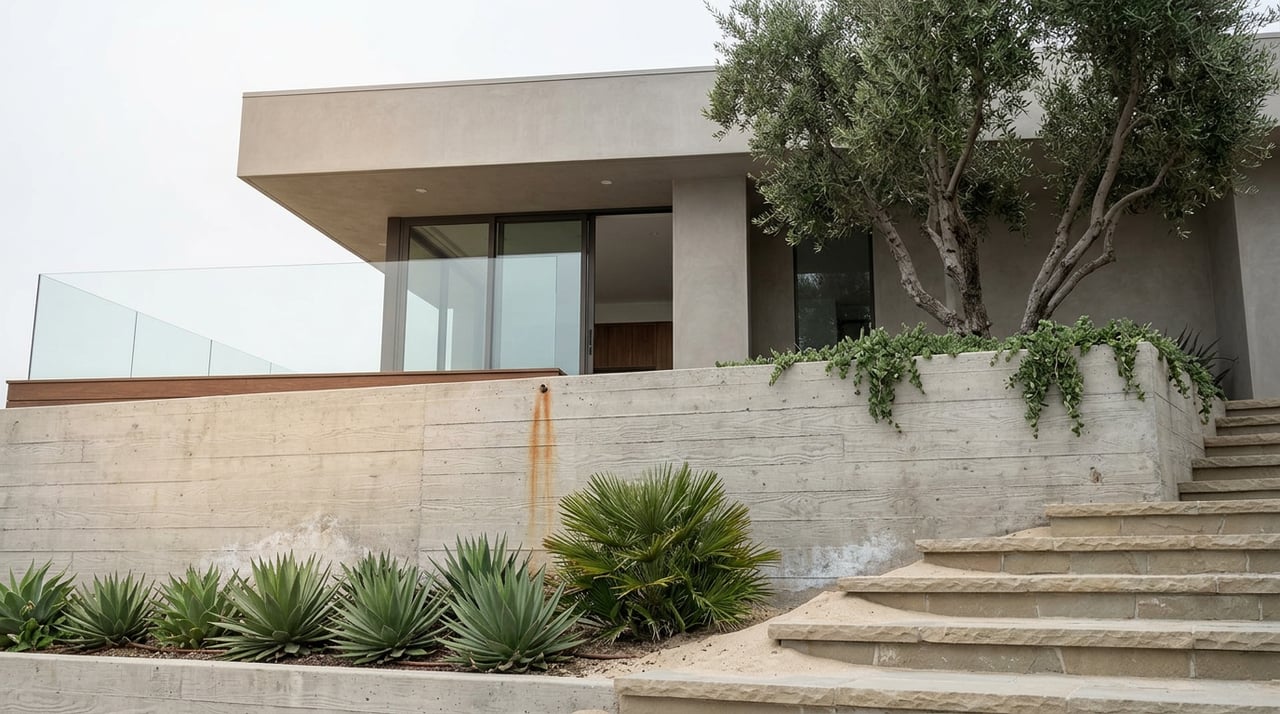
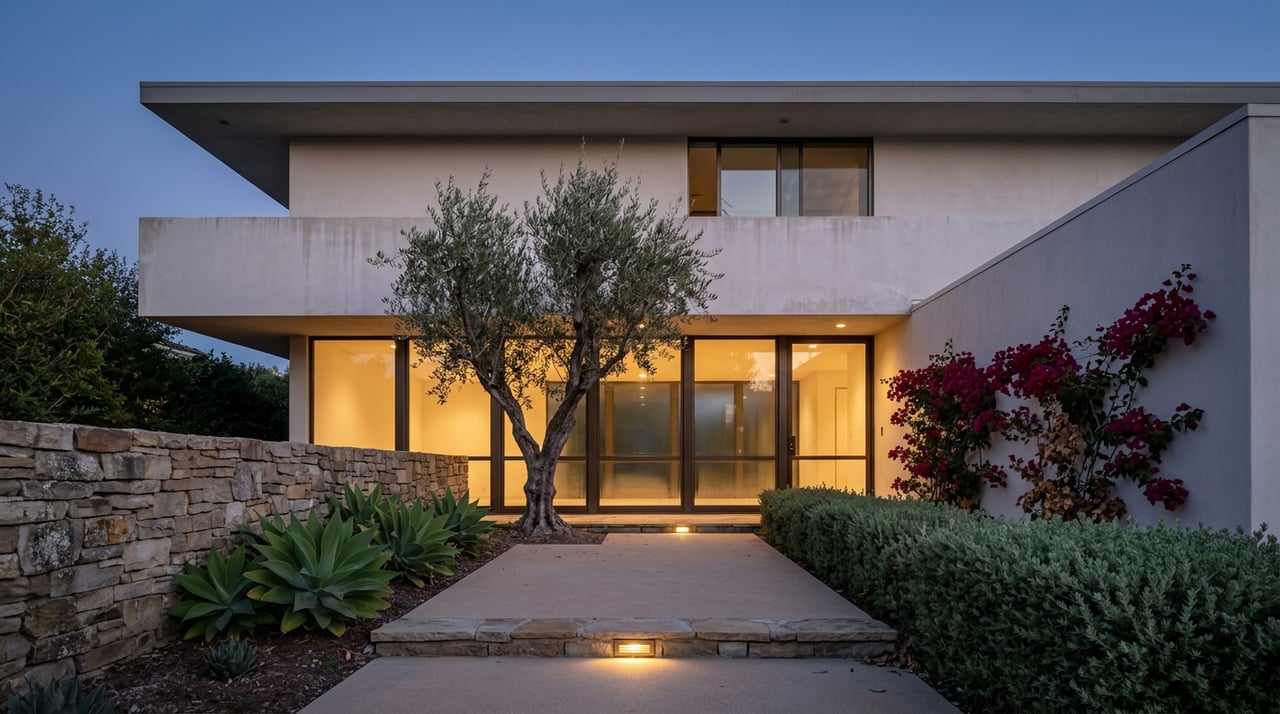
In La Jolla, that matters even more because many buyers are comparing lifestyle, architecture, and presentation all at once. A coastal home with clean lines, bright interiors, and polished outdoor spaces tends to show its value more clearly. Strategic prep helps your home feel market-ready before it is introduced to serious buyers.
Focus on what buyers notice first
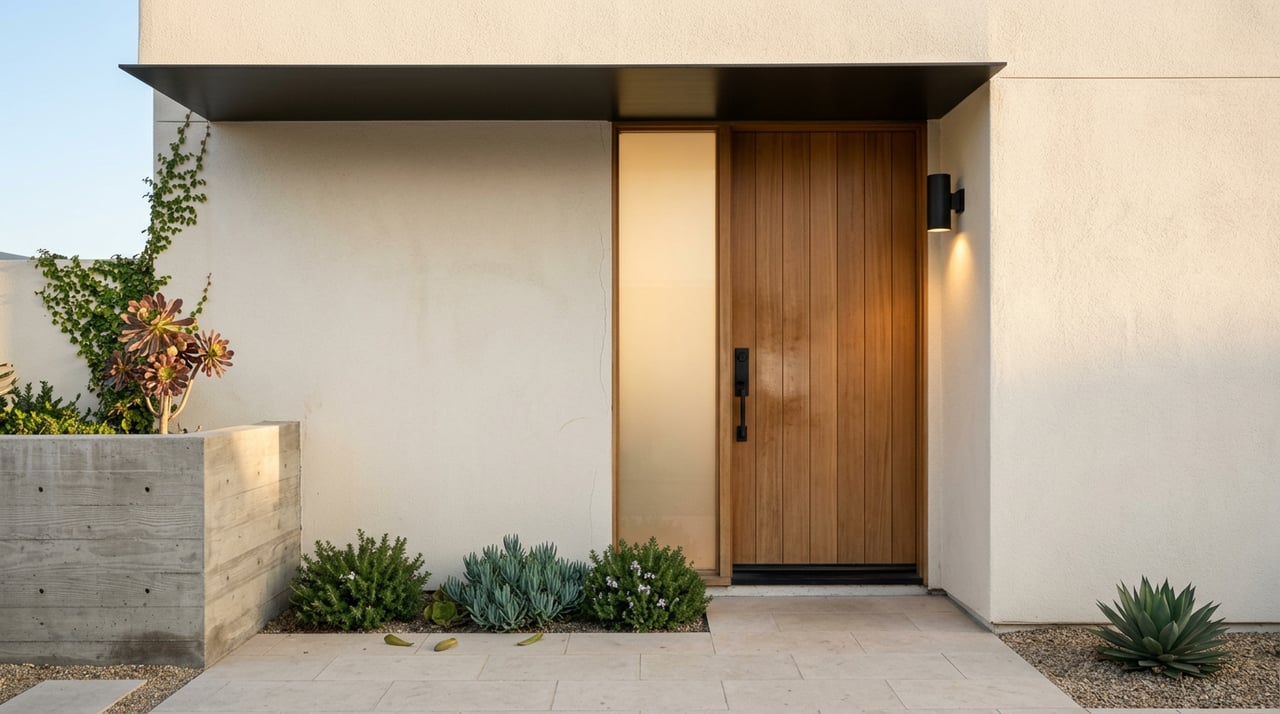
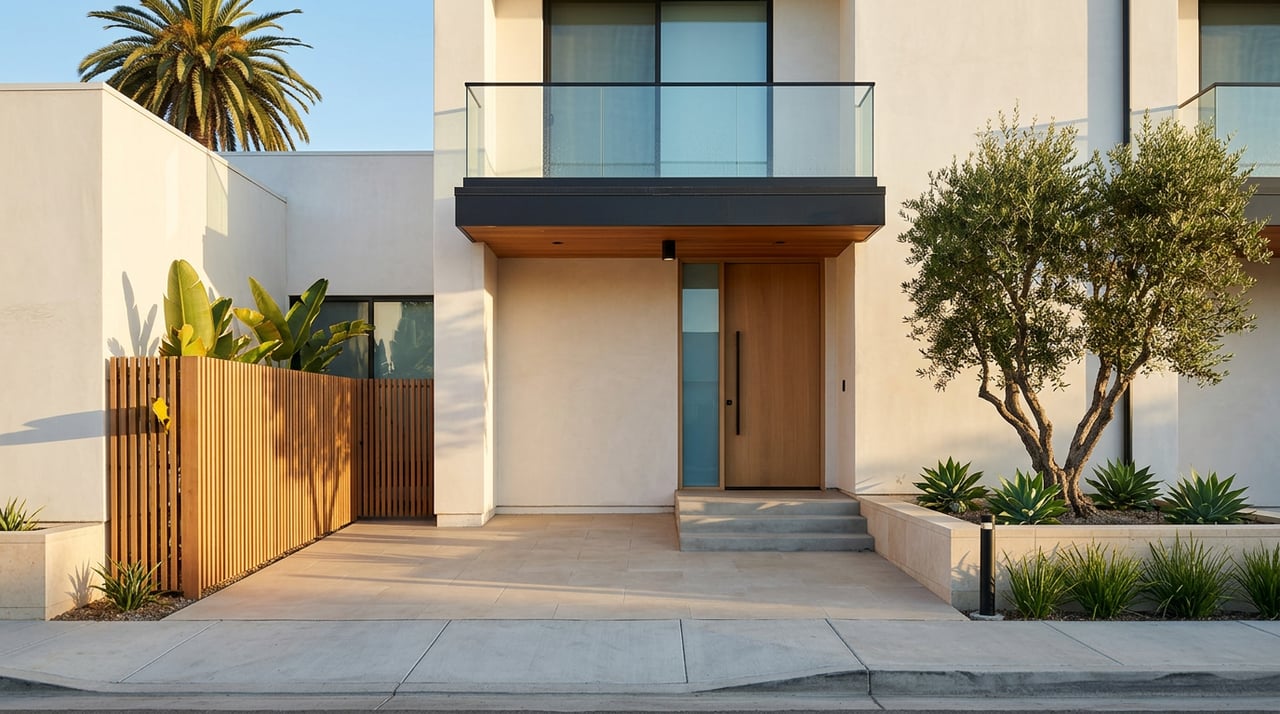
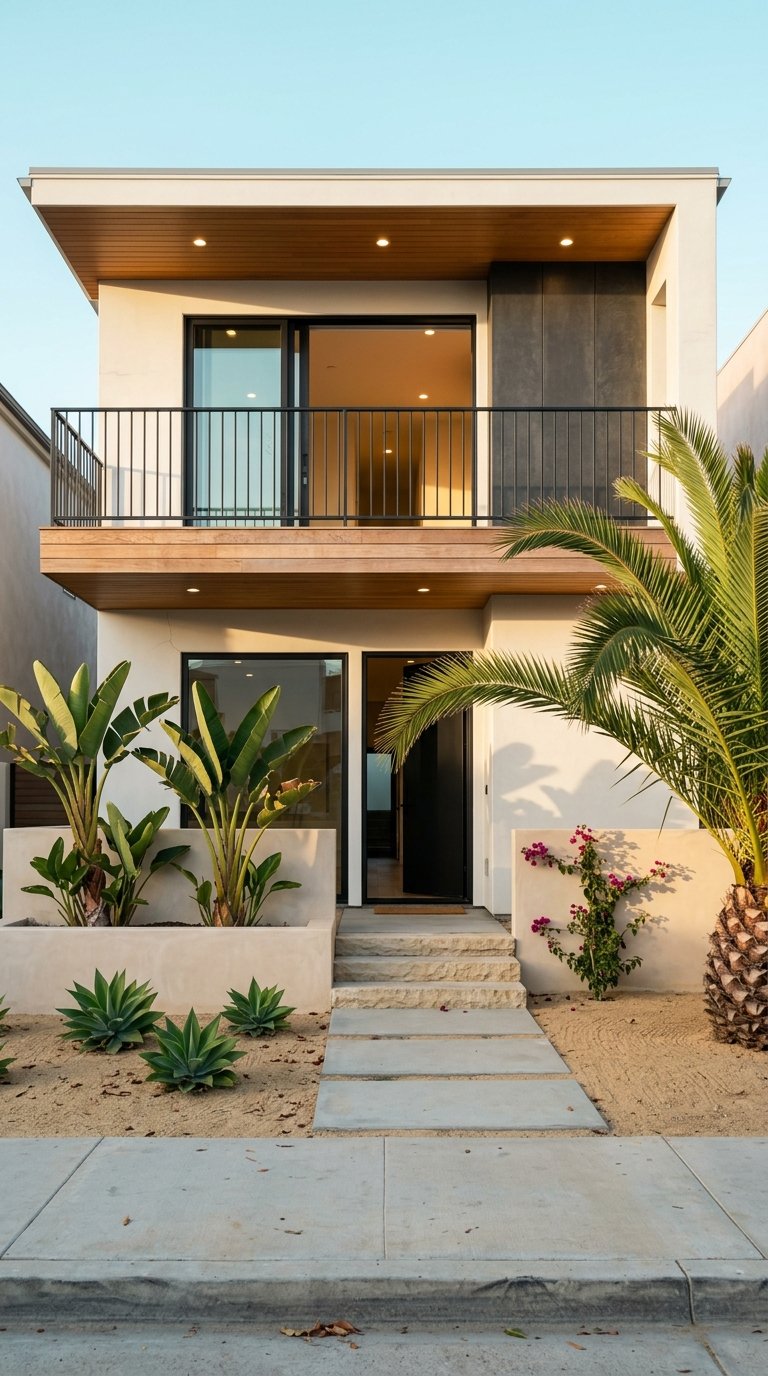
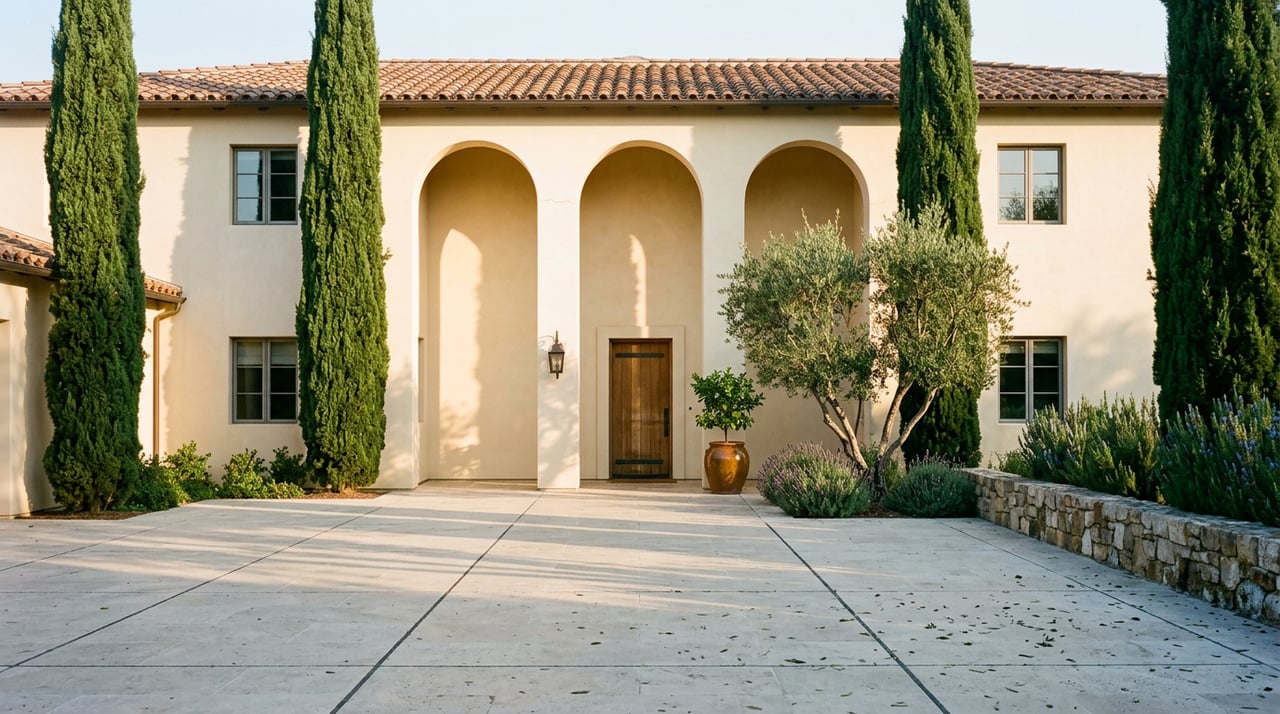
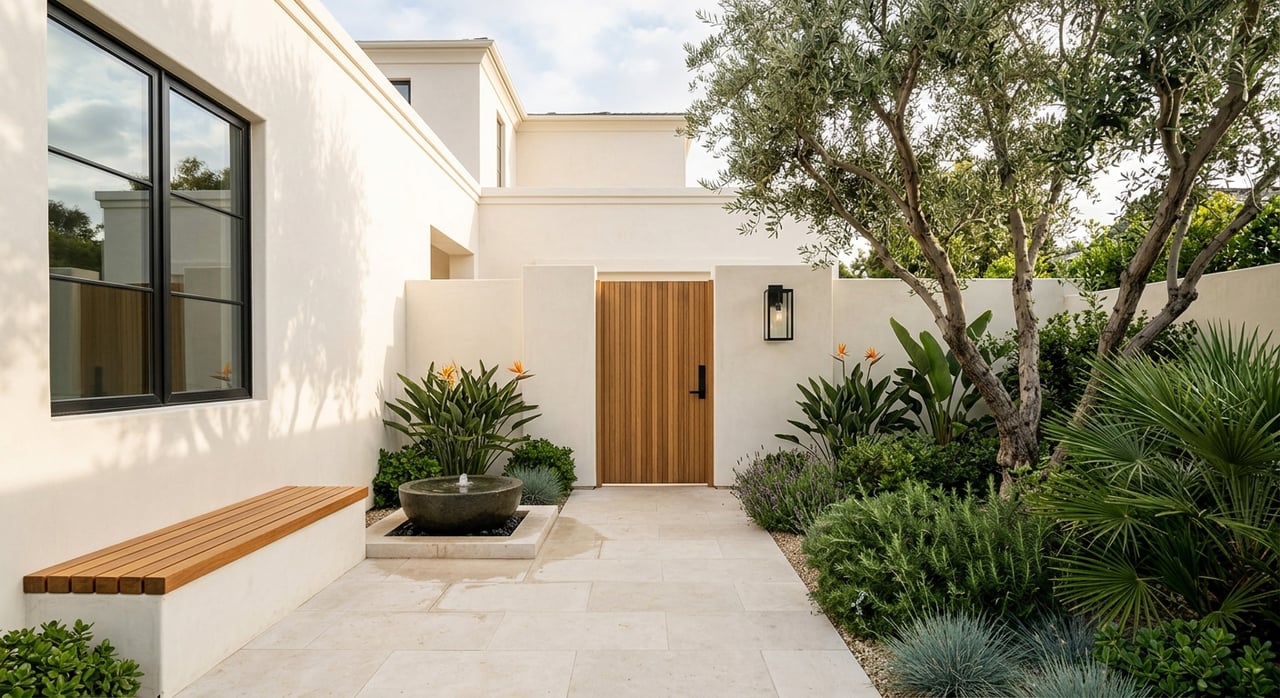
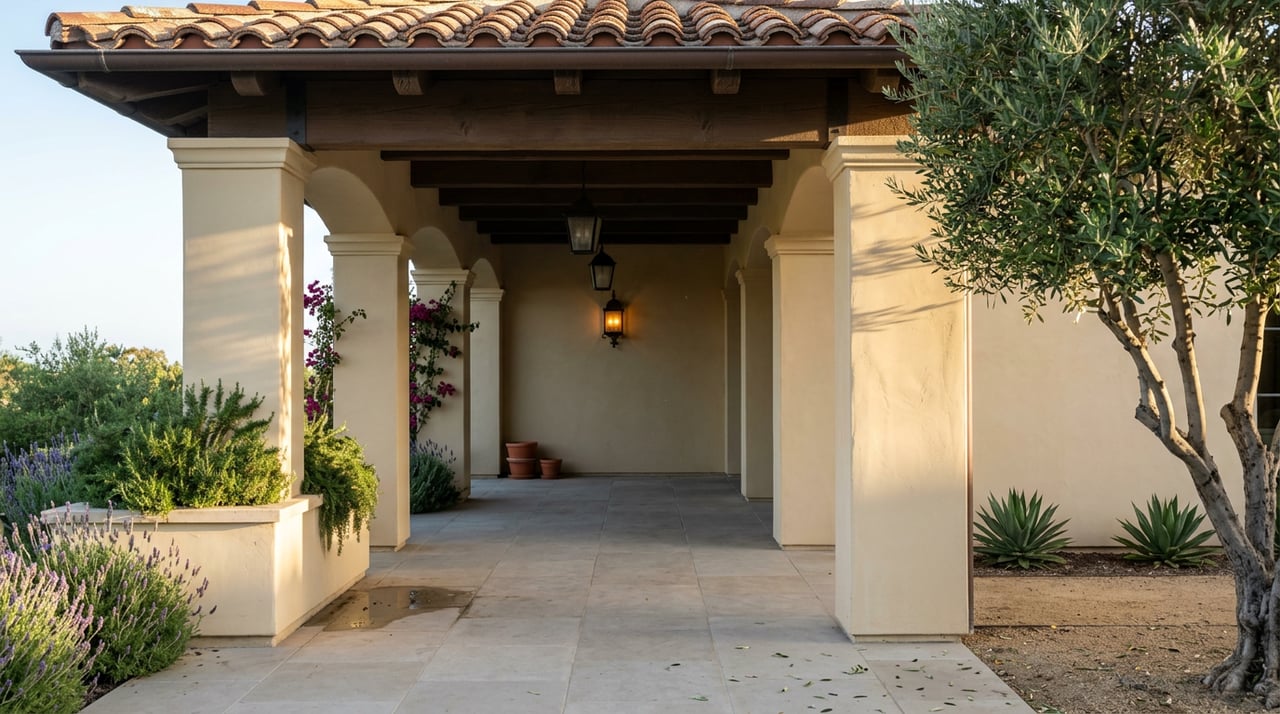
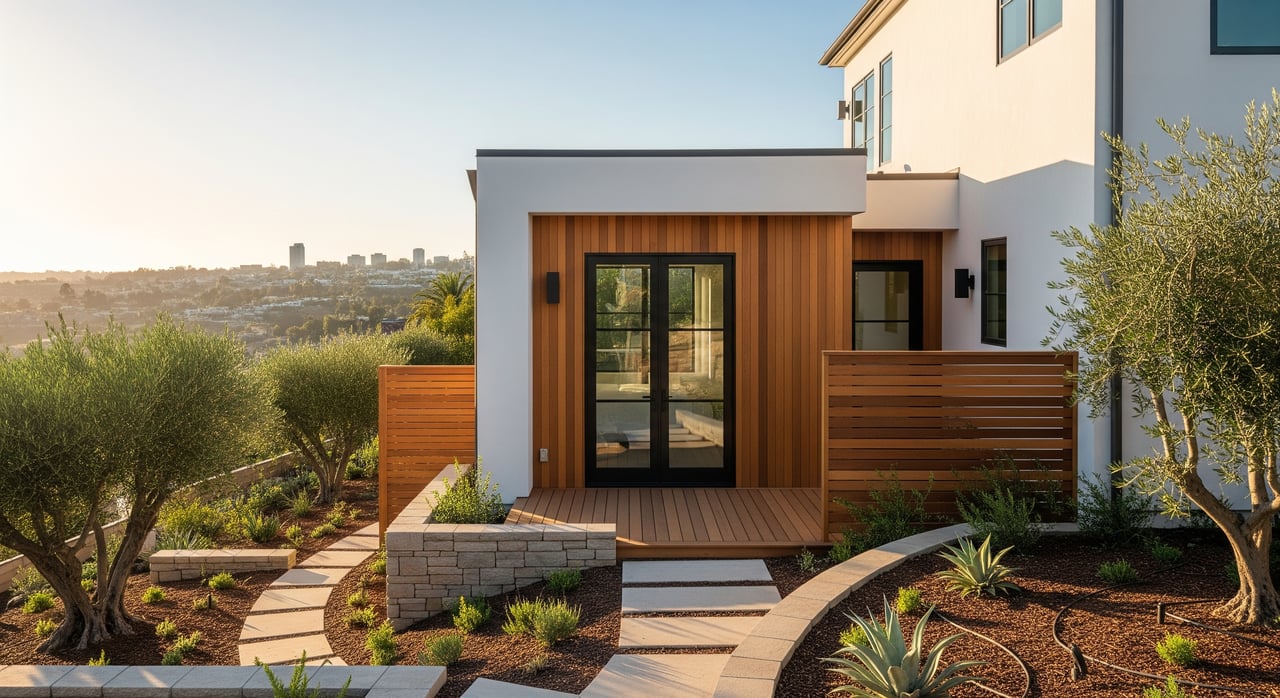
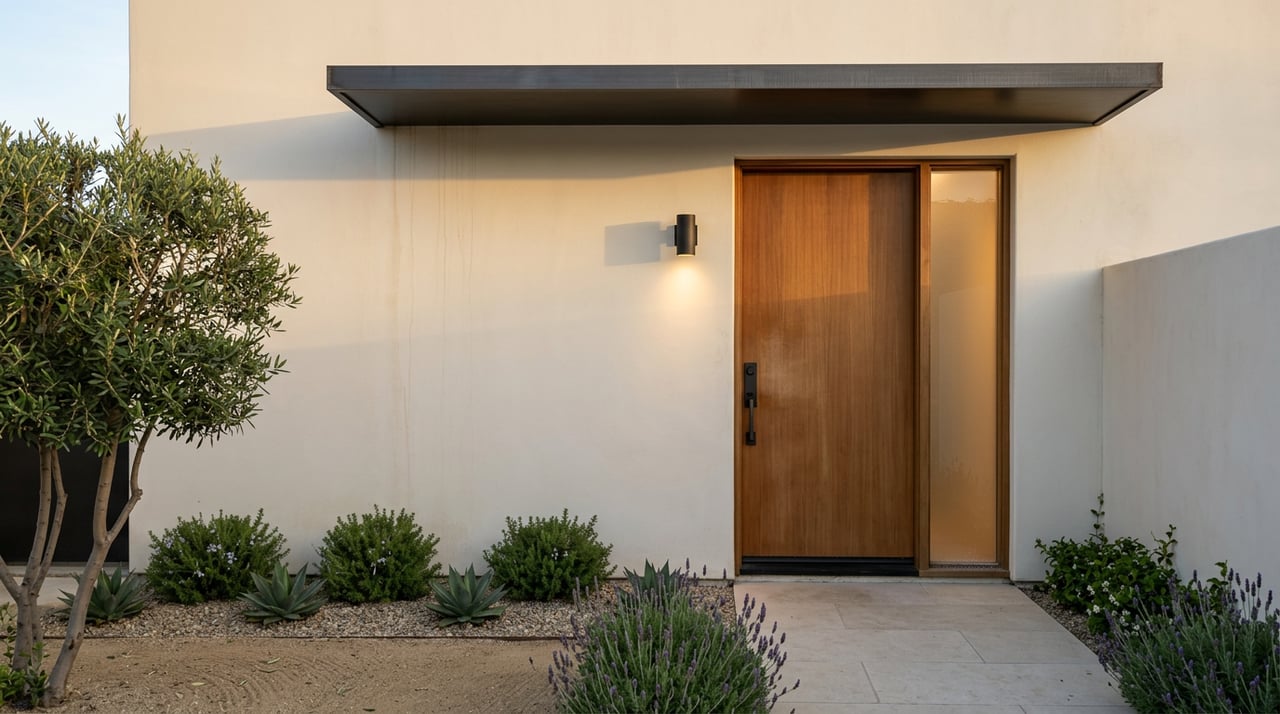
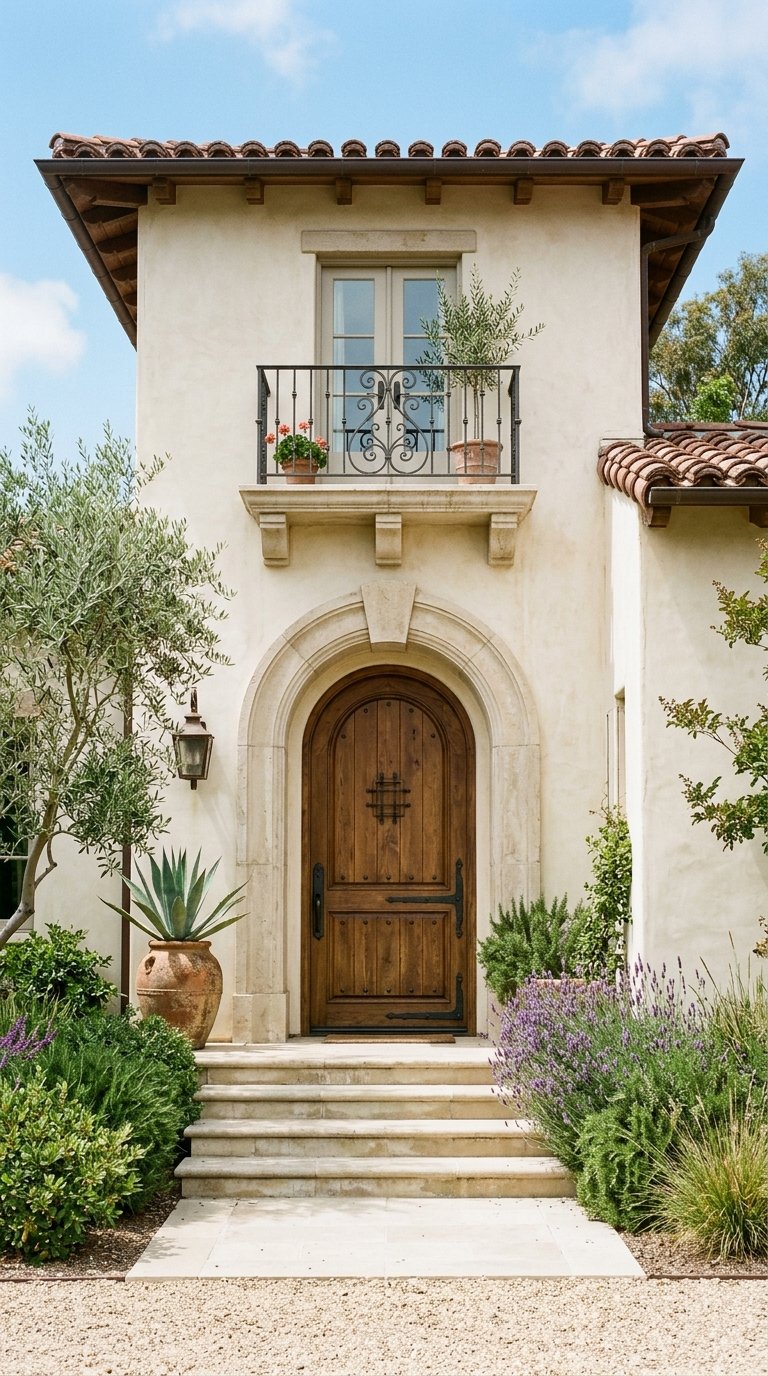
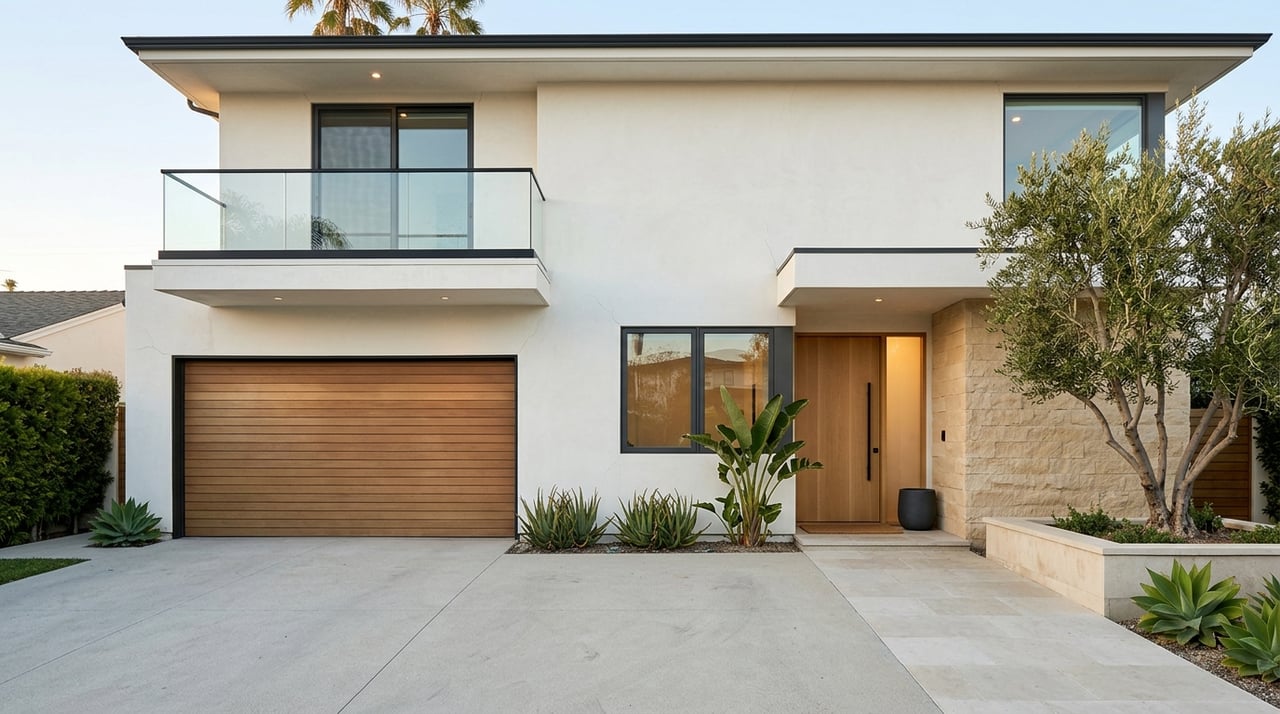
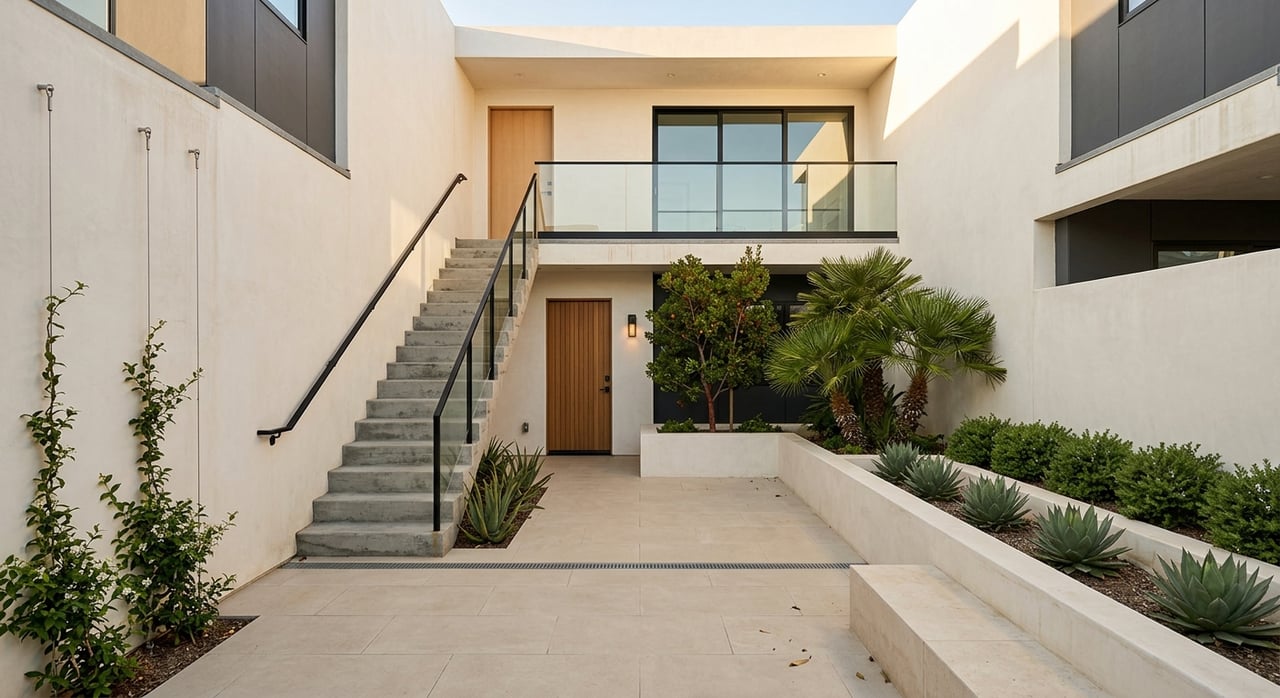
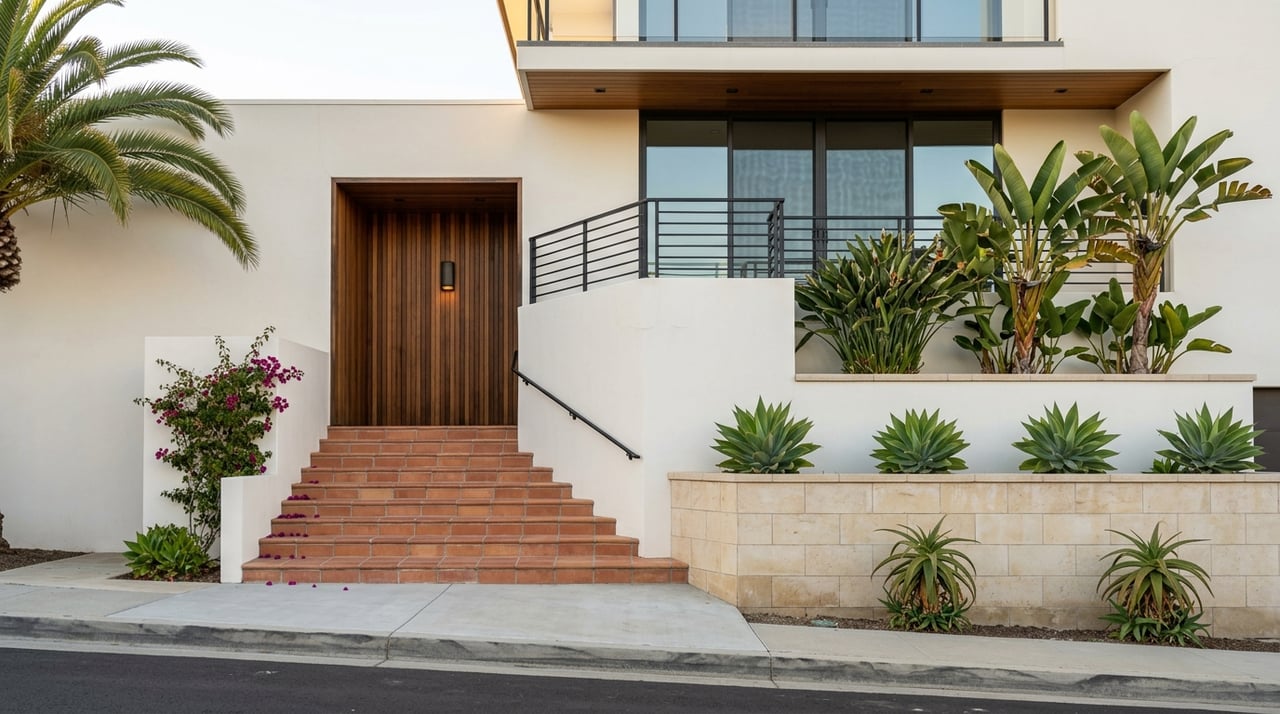
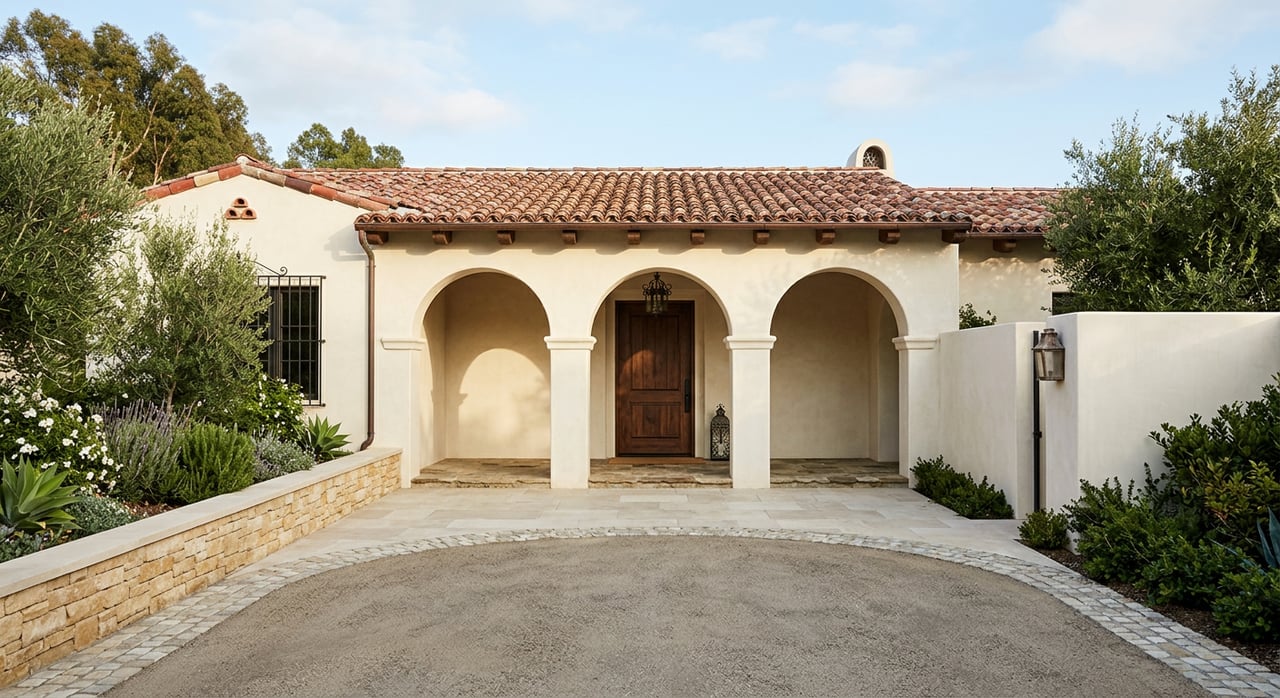
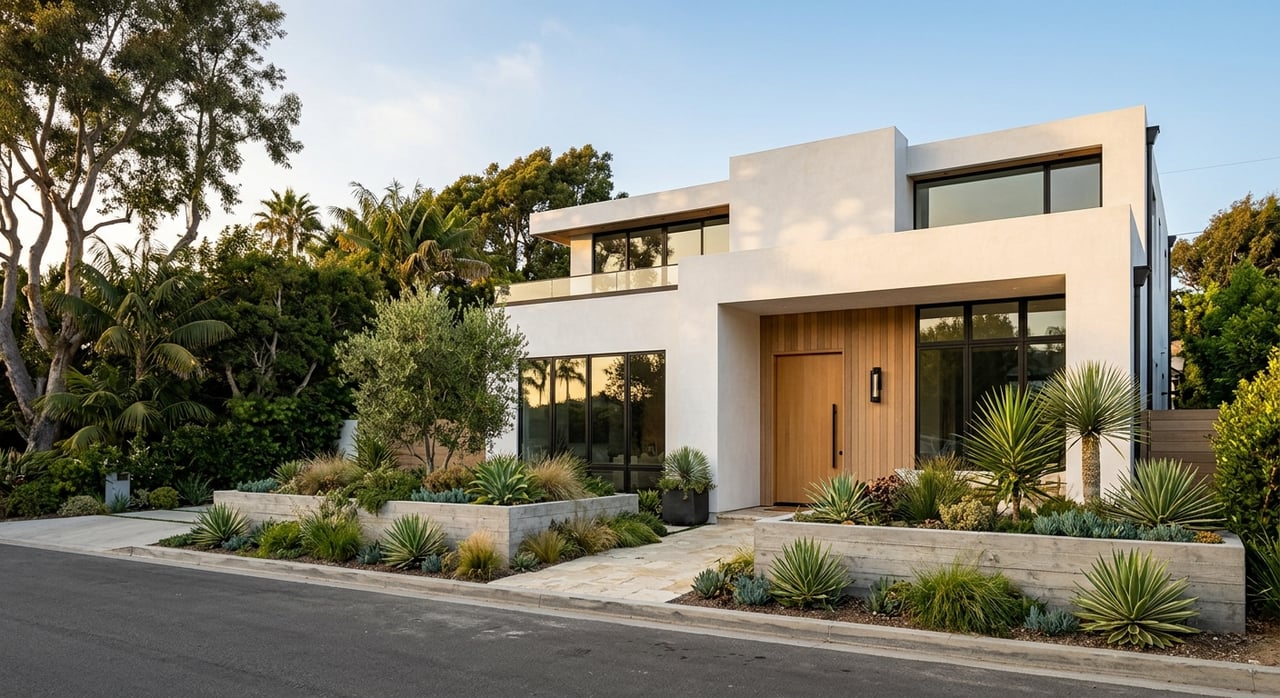
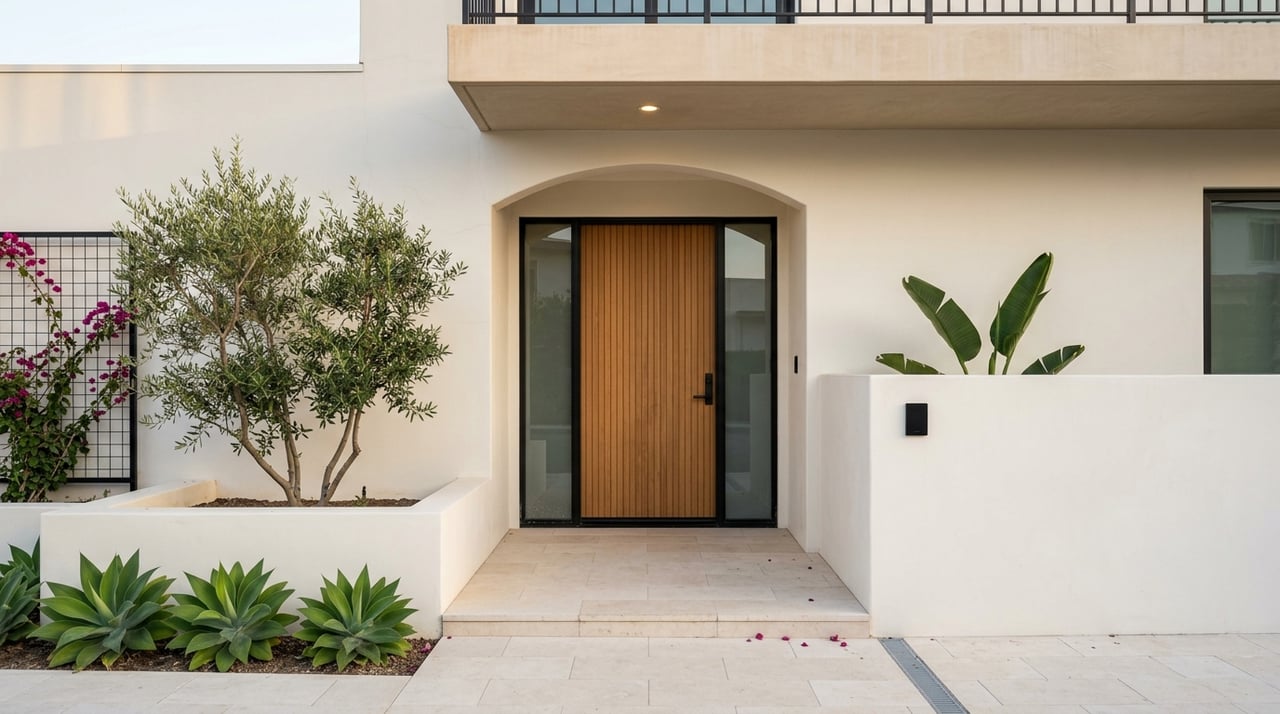
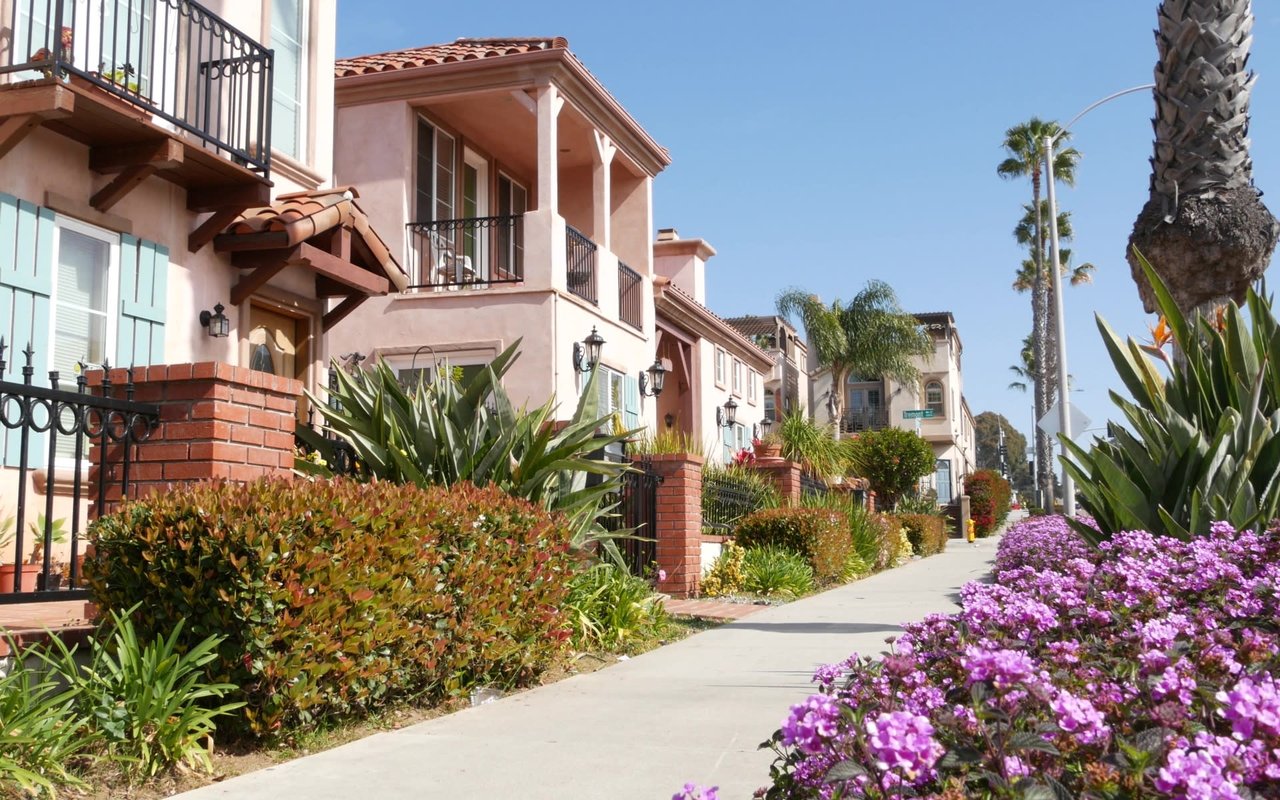
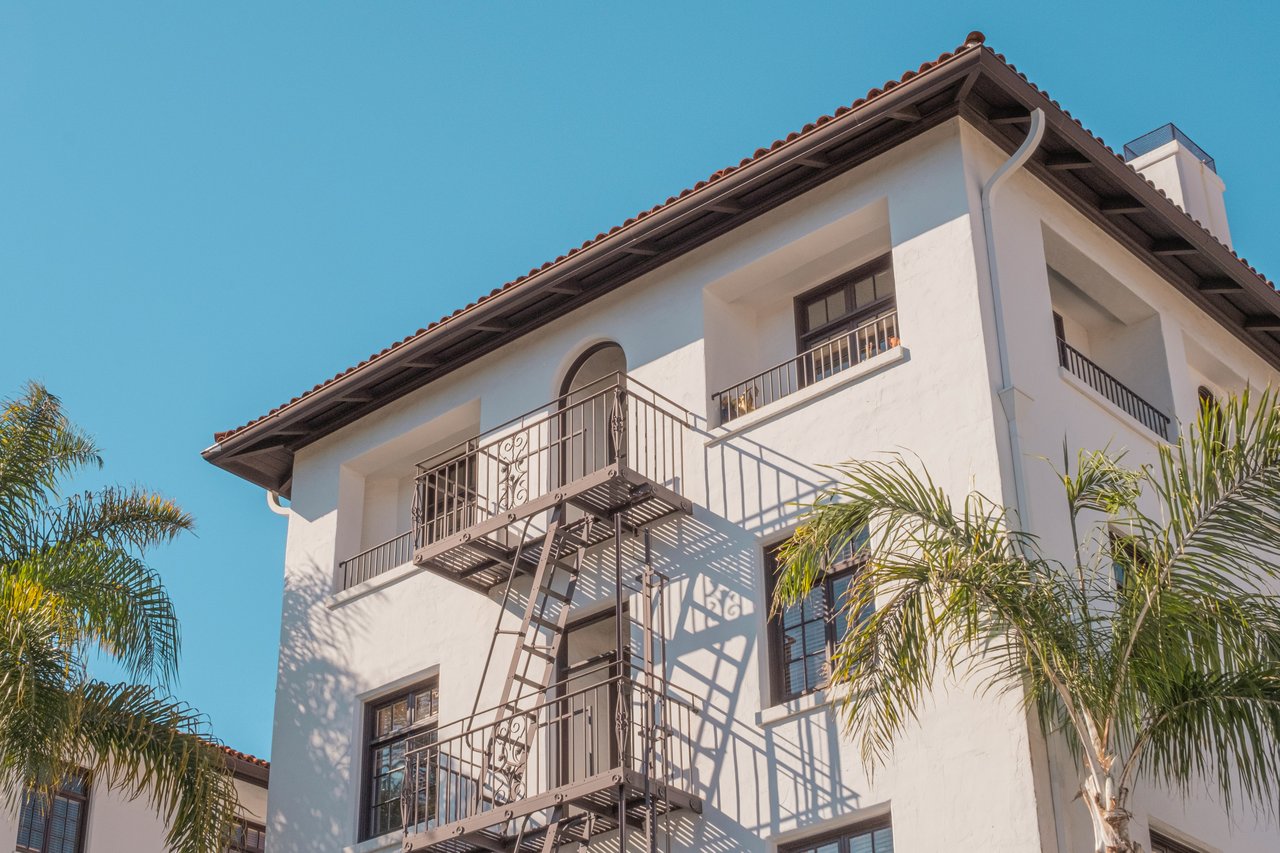
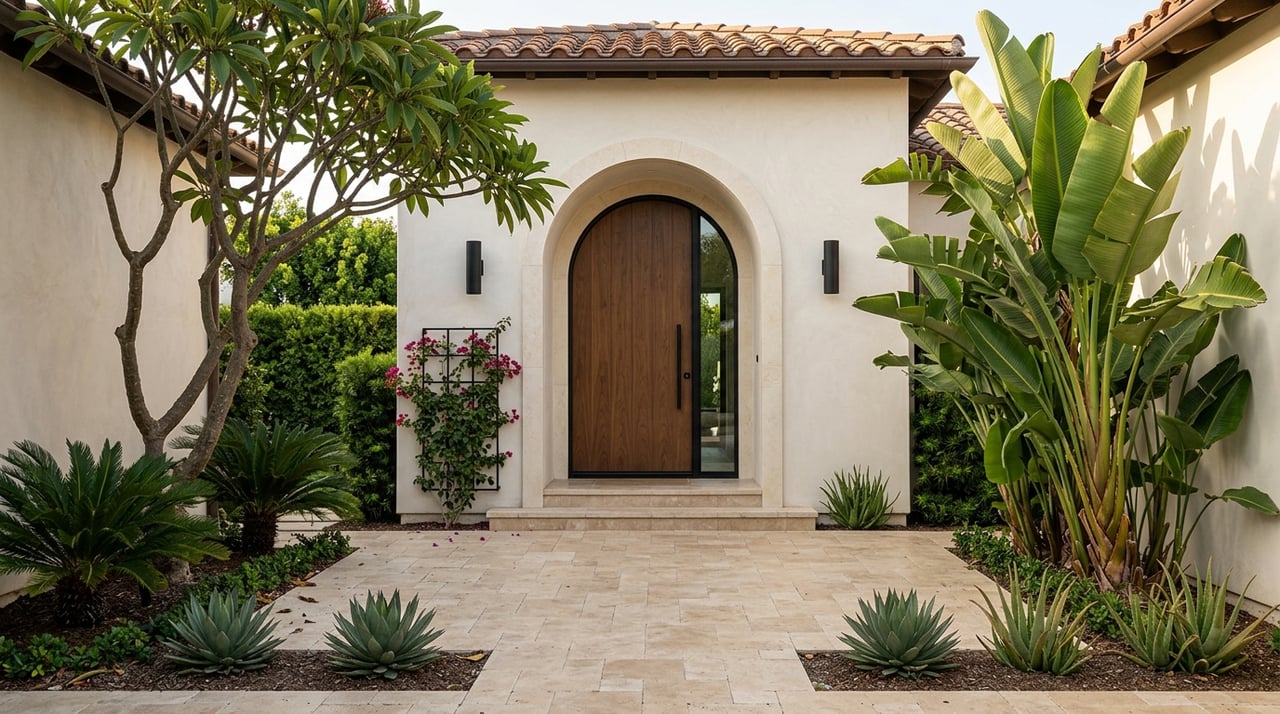
First impressions start before a buyer walks through the front door. NAR’s outdoor-features research says 92% of REALTORS recommend improving curb appeal before listing, and landscape-related projects ranked among the strongest resale performers. That makes entry presentation and exterior maintenance an important part of the listing plan.
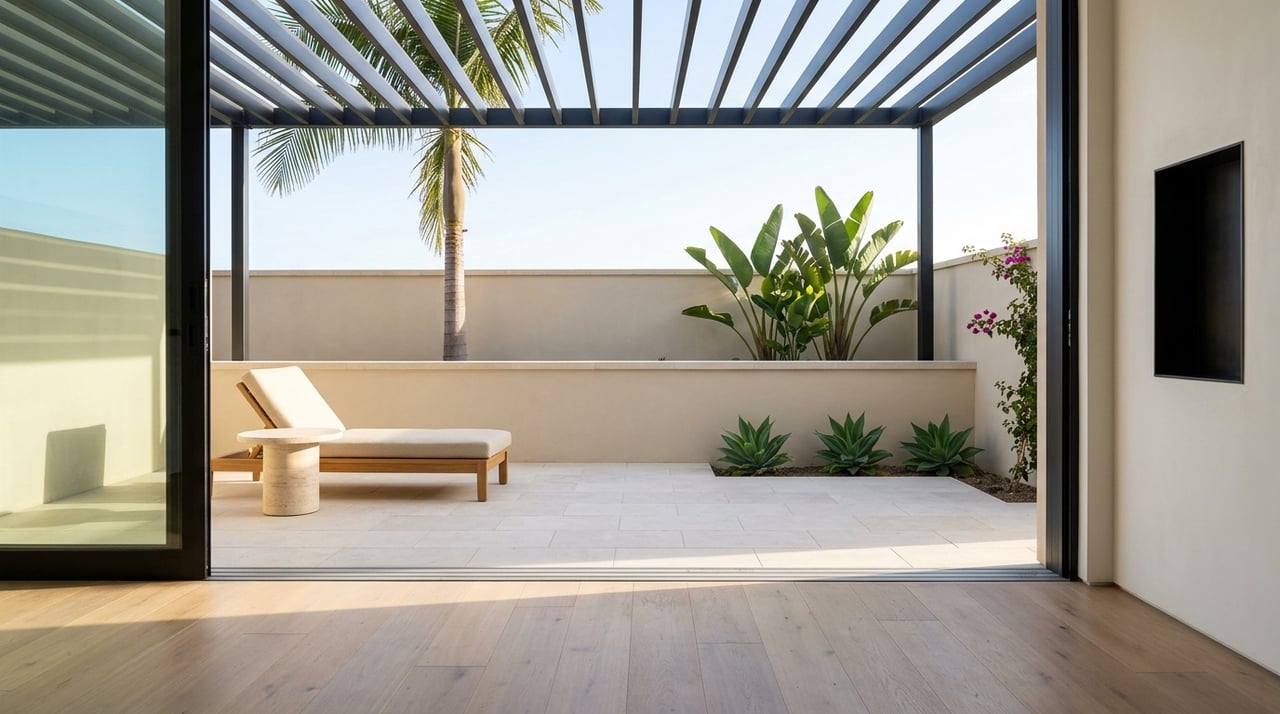
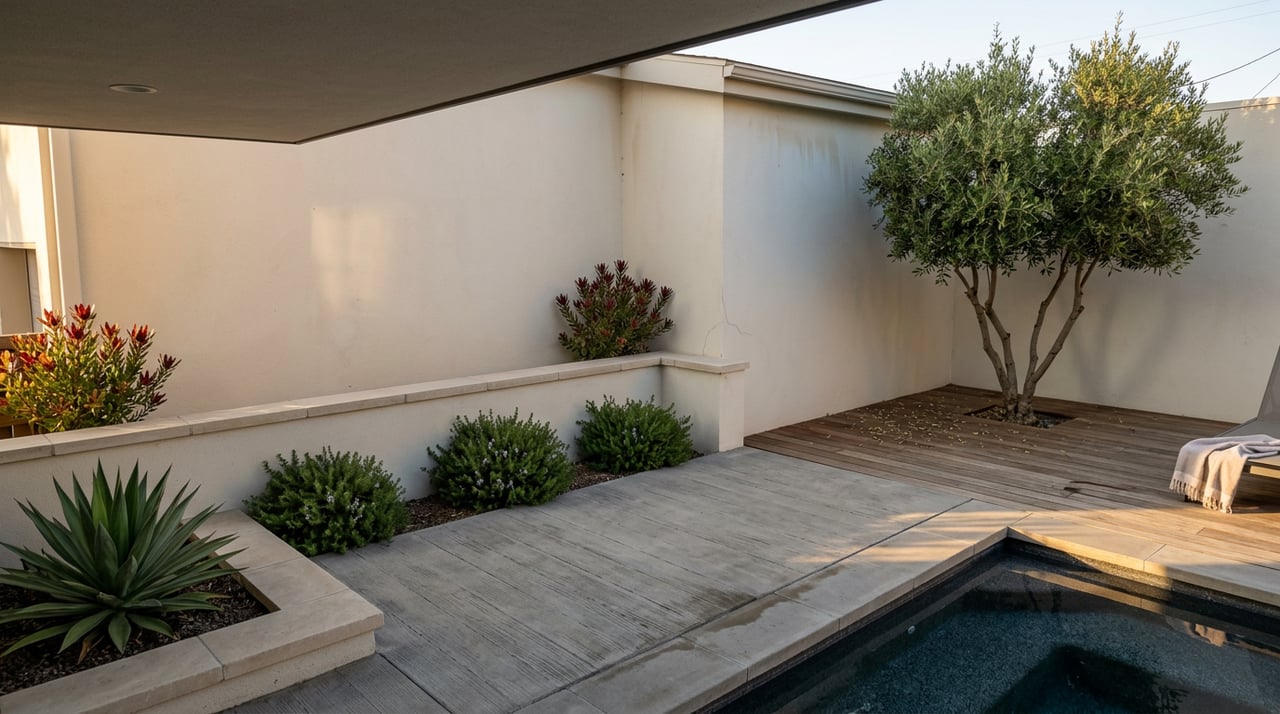
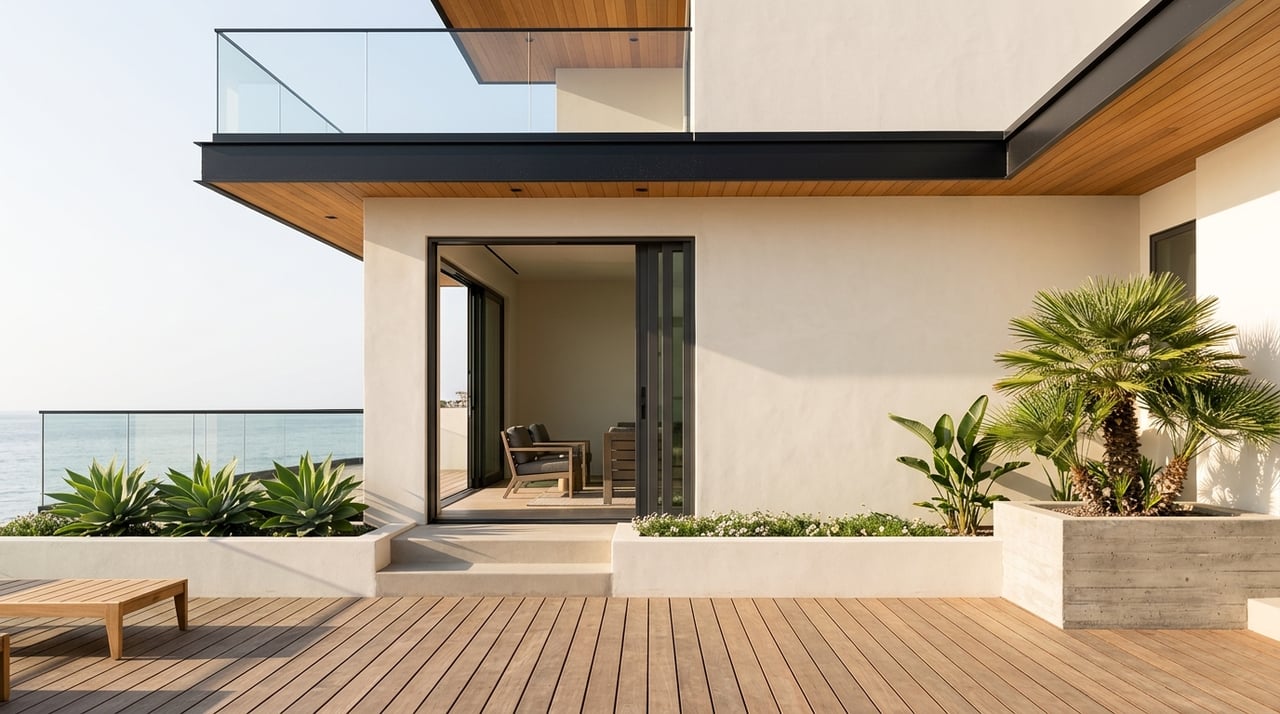
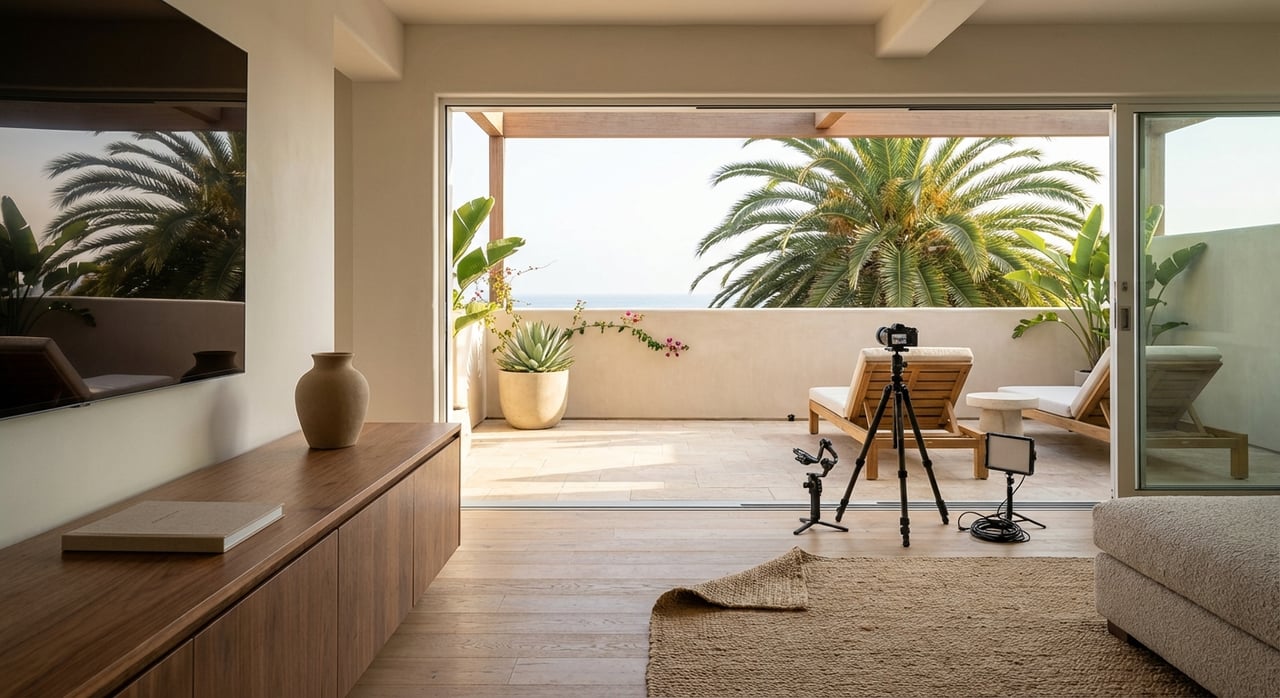
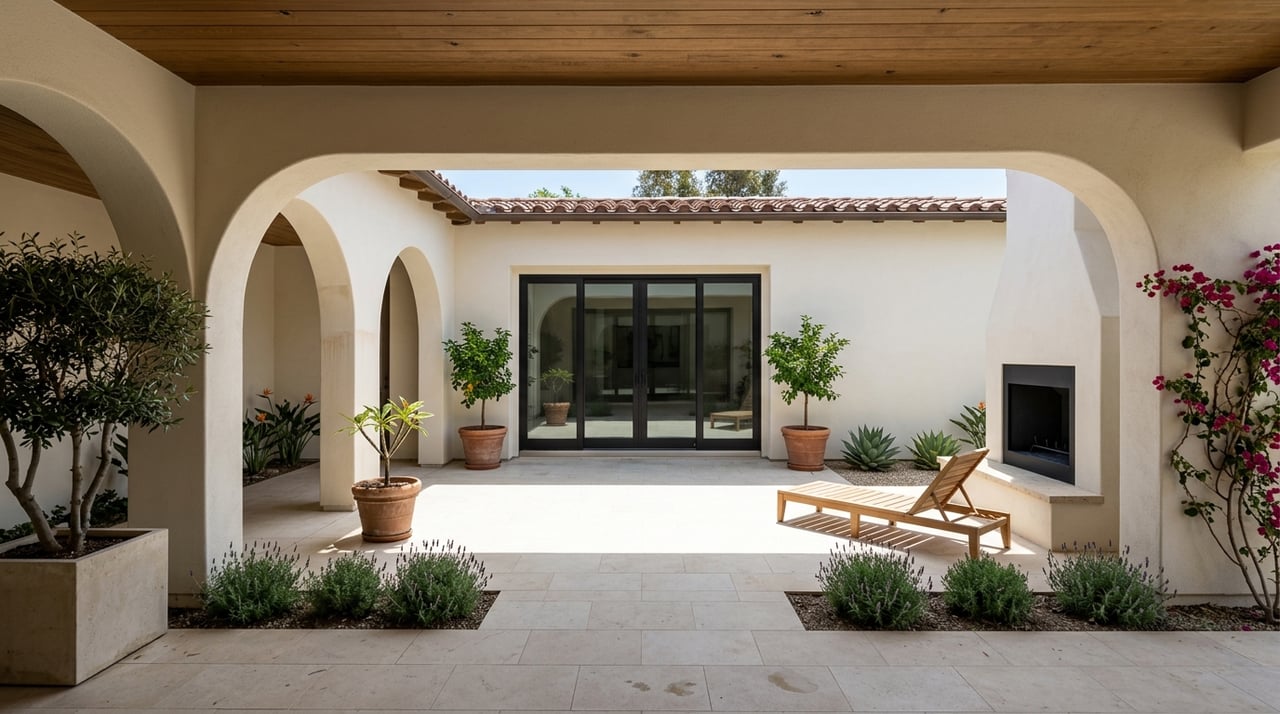
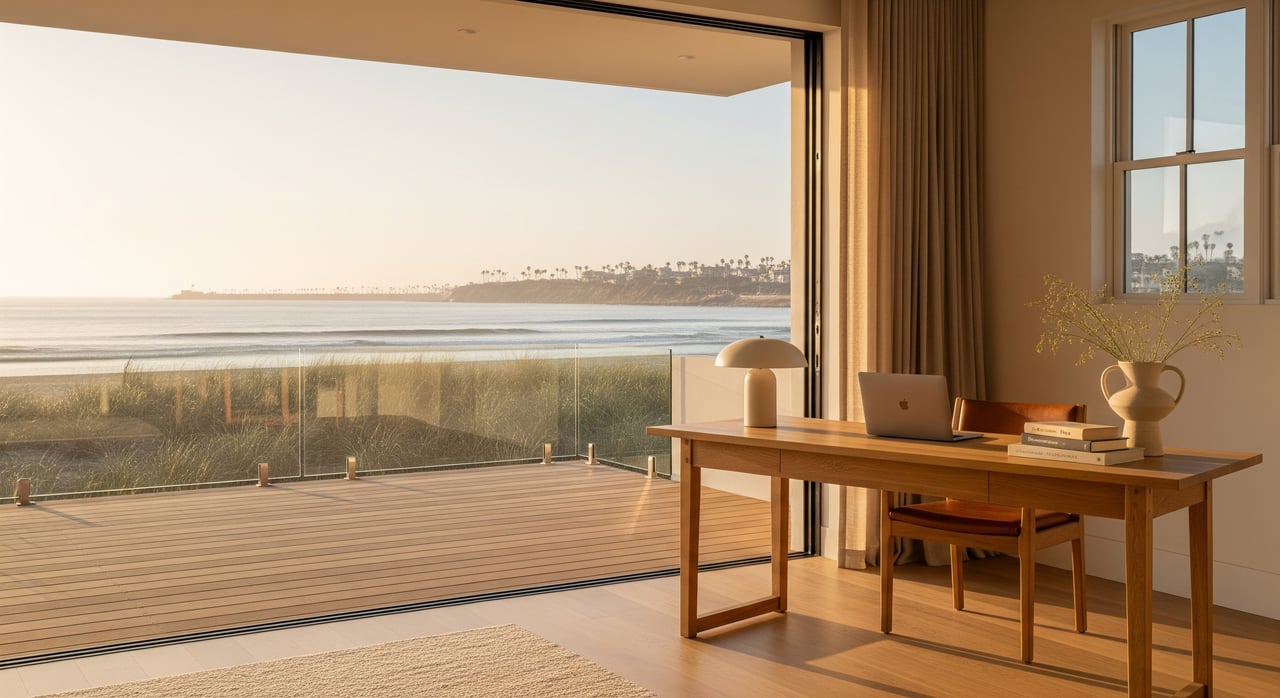
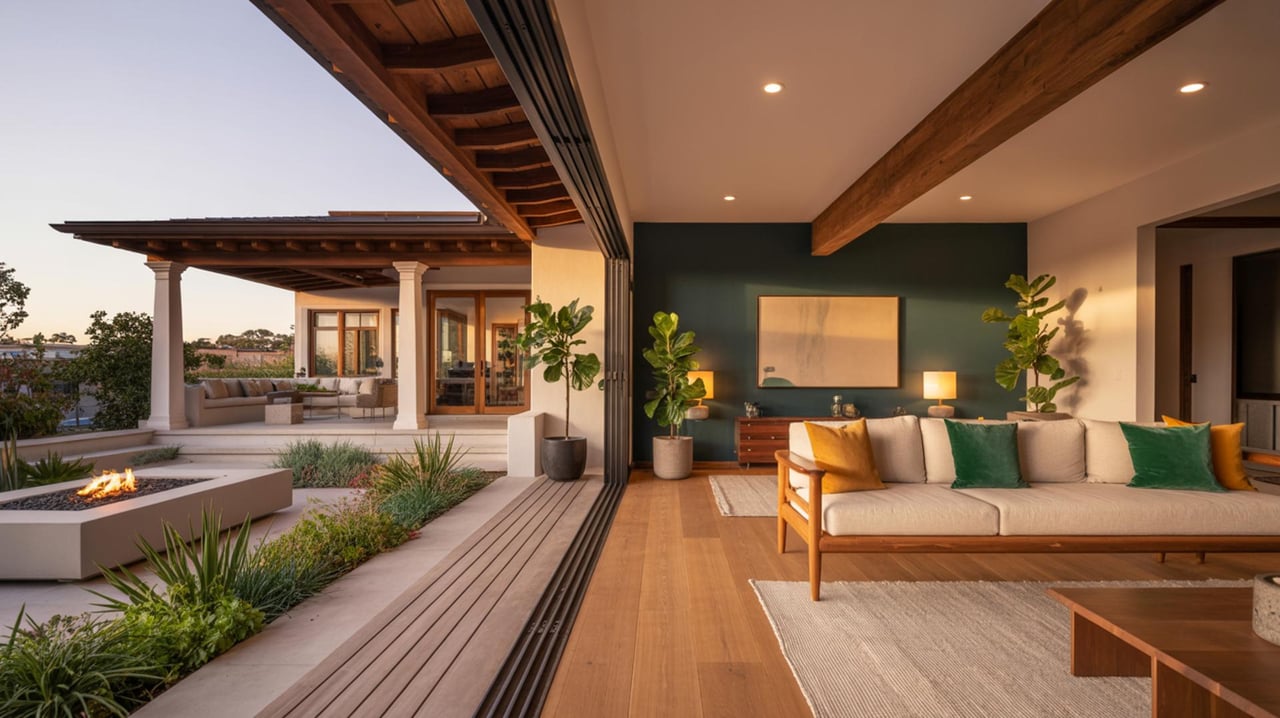
For many La Jolla homes, the highest-impact areas are the arrival experience, the main living spaces, and the outdoor rooms. Buyers are often paying attention to how the home flows, how natural light hits the space, and whether patios, decks, or view-facing areas feel ready to enjoy. A polished exterior and well-edited interior can help the home feel more aligned with luxury expectations.
Prioritize key interior spaces
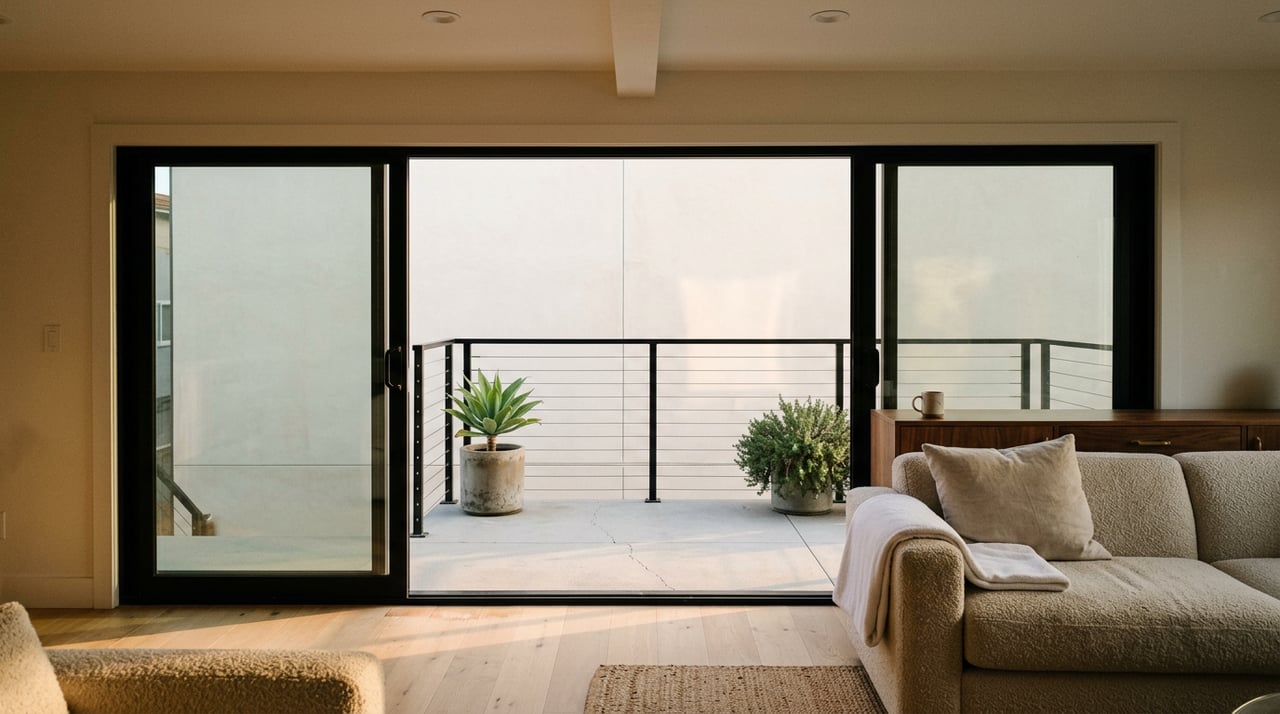
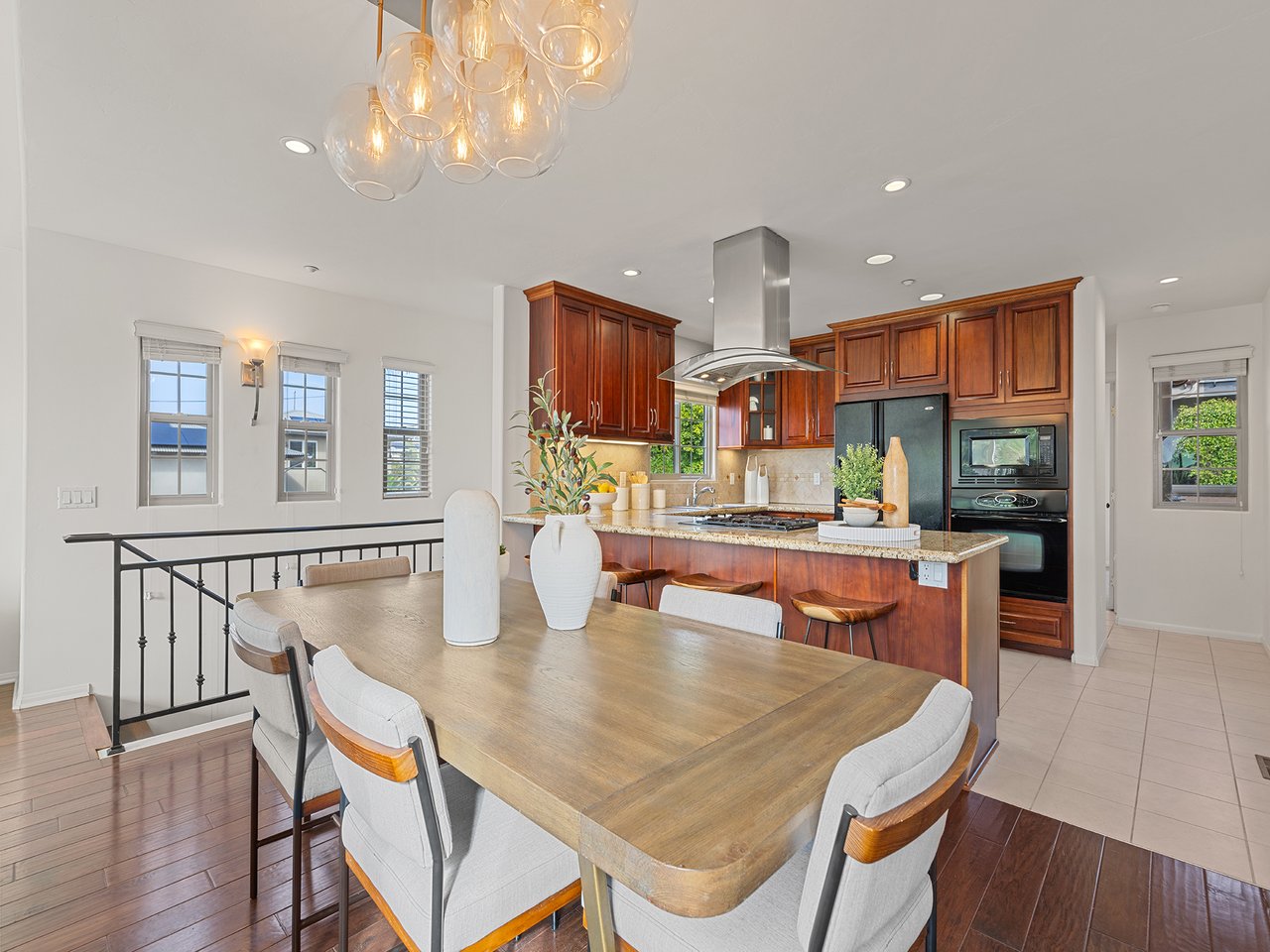
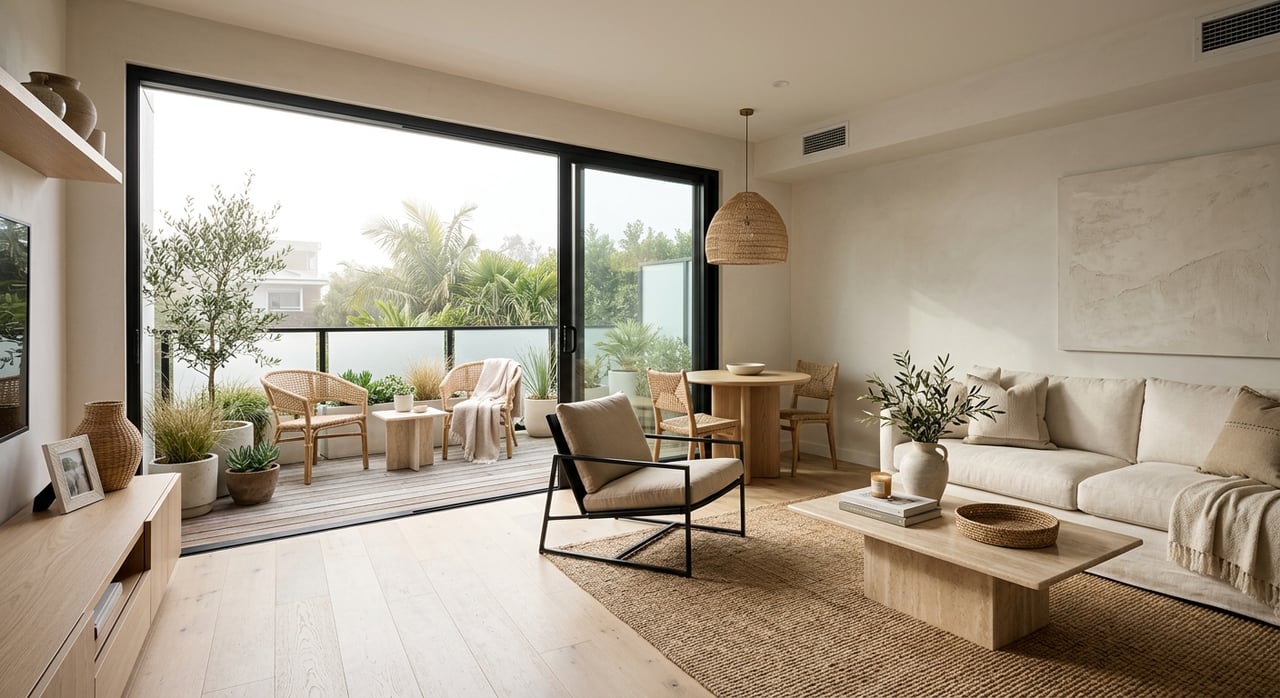
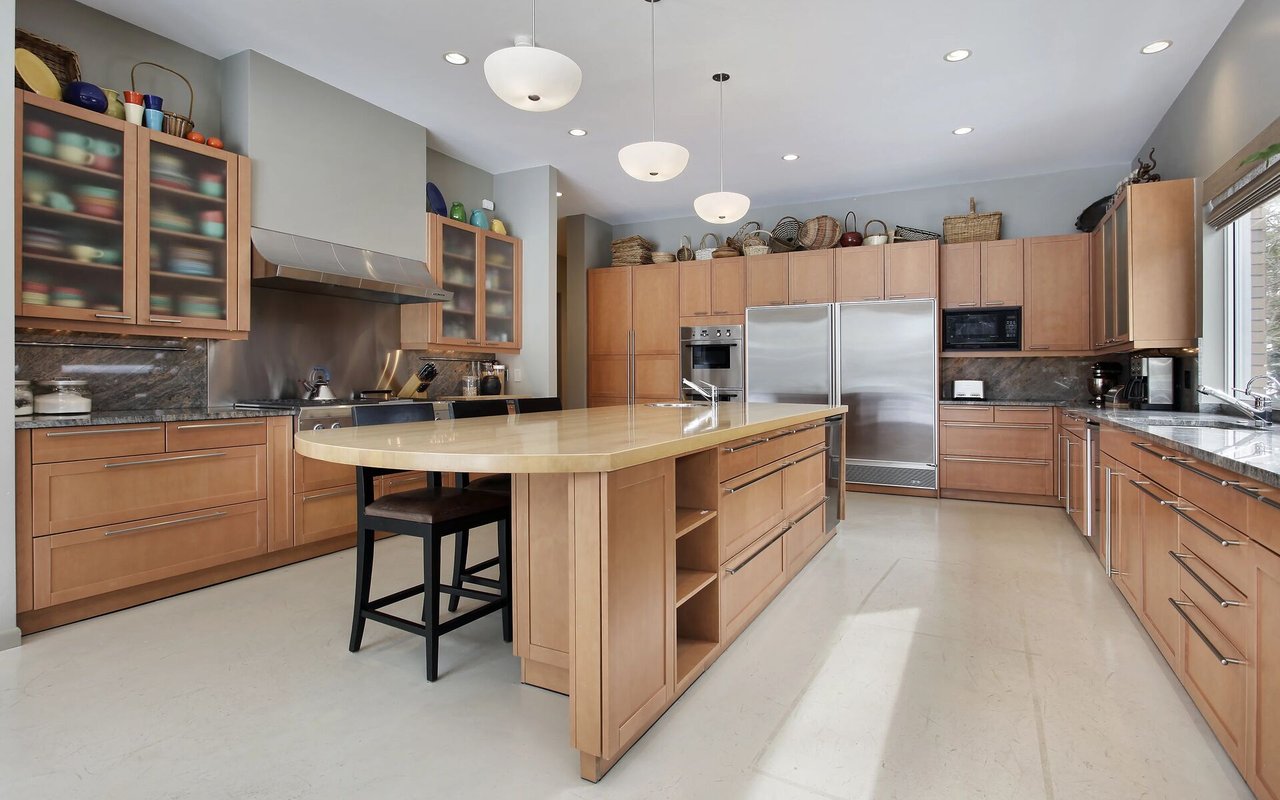
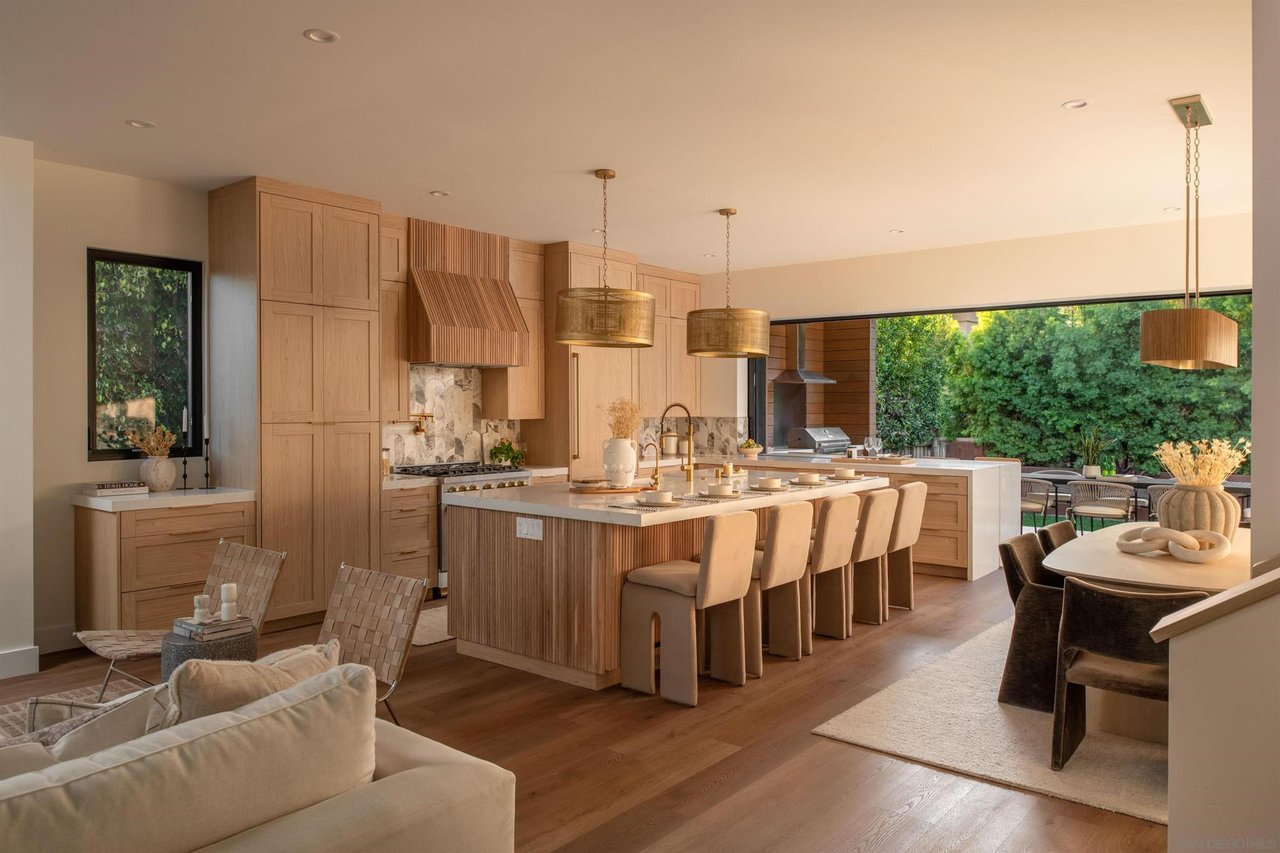
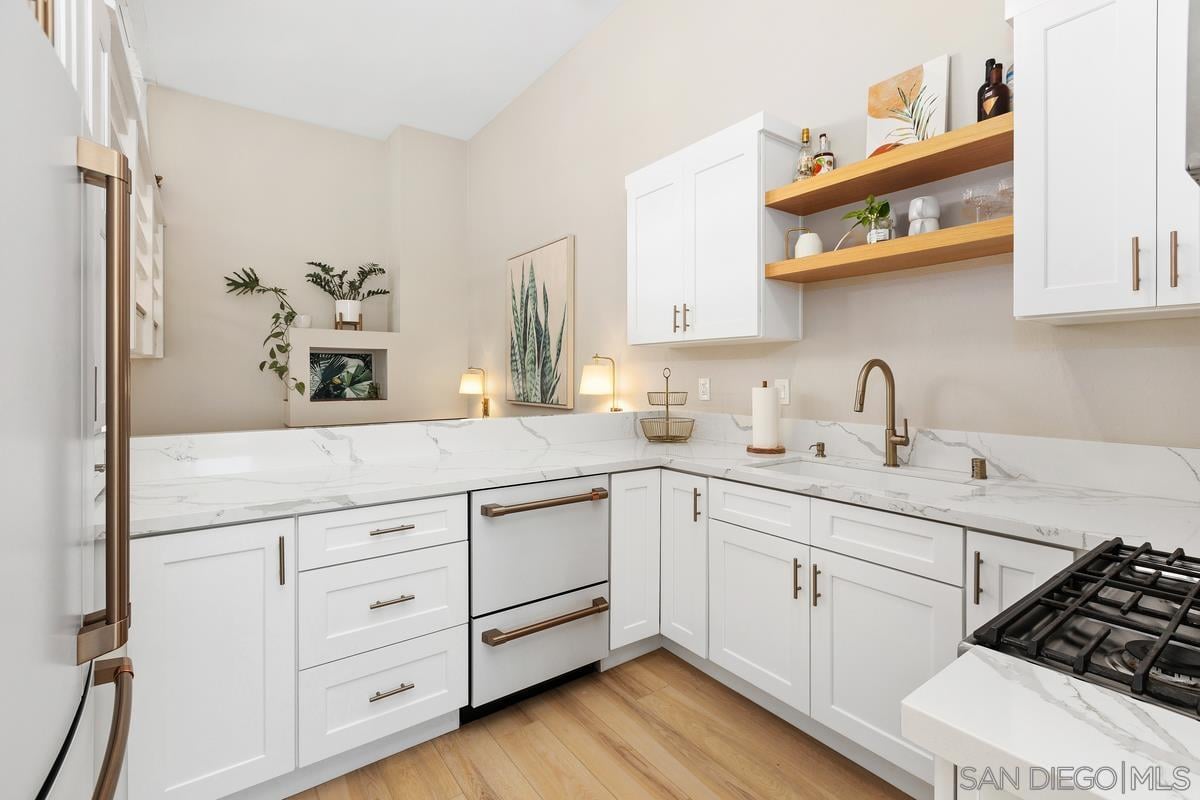
According to NAR’s 2025 staging survey, the living room, primary bedroom, and kitchen were the spaces staged most often and considered most important. If you are deciding where to spend effort first, these rooms deserve attention.
That does not always mean a full renovation. It often means cleaner styling, fewer distractions, better furniture placement, and a more open, intentional feel. In luxury marketing, the goal is to help buyers see the home’s scale, light, and livability without visual clutter getting in the way.
Fix the right things first
One of the biggest seller questions is whether you need to fix everything before listing. In most cases, no. A smarter approach is to separate must-fix items from optional upgrades.
Start with issues that can affect disclosures, negotiations, or buyer confidence. That includes safety concerns and core property systems such as water intrusion, roof issues, HVAC, plumbing, pest concerns, electrical problems, and sewer issues. These items can create friction during escrow if they are ignored.
Choose targeted updates over major remodels
If your home is already close to market condition, broad cosmetic improvements often make more sense than large-scale construction. NAR’s 2025 Remodeling Impact Report found that the highest cost recovery on resale came from projects like a steel front door, closet renovation, and fiberglass front door. Larger projects, such as a primary suite addition or kitchen upgrade, scored higher for homeowner satisfaction than resale recovery.
That is a useful reminder for La Jolla sellers. If your timeline is tied to a near-term sale, targeted improvements may do more for your bottom line than a major remodel. Fresh paint, touch-ups, deep cleaning, flooring improvements, and thoughtful staging can often deliver a stronger return on effort.
Clean up records before you list
A well-prepared listing is not only about appearance. It is also about documentation. Buyers in the luxury market often ask detailed questions, and having records ready can make your sale feel more organized and credible.
California sellers of residential property must provide a Transfer Disclosure Statement. The California Department of Real Estate says this disclosure covers the property’s physical condition and potential hazards or defects. In practice, this is one reason many sellers choose to identify issues early rather than learning about them during escrow.
Pull permit history early
If your home has been renovated, expanded, or improved over time, it is wise to gather permit history before going live. San Diego’s Development Services Department maintains permit records, plans, maps, and related land-development data through online tools and public records requests.
Having this information in hand can help you answer buyer questions about past work more confidently. It can also reduce delays if a buyer wants clarification during due diligence. In a high-value transaction, preparation often creates smoother negotiations.
Review hazard and lead disclosures
La Jolla sellers should also confirm whether a Natural Hazard Disclosure is required. California law requires disclosure if a property is in a mapped earthquake fault zone, seismic hazard zone, high or very high fire hazard severity zone, or wildland fire area.
If your home was built before 1978, lead-based paint rules may also apply. Sellers of most pre-1978 housing must disclose known lead-based paint or lead hazards before contract signing, provide any available records, and give buyers a 10-day opportunity to inspect unless the parties agree otherwise.
Use inspections to reduce surprises
A pre-list inspection can be a practical tool when you want fewer unknowns. Since California disclosure rules center on the property’s condition and observable defects, identifying issues before a buyer does can put you in a stronger position.
This does not mean every issue must be repaired. It means you can make informed decisions about what to fix, what to disclose, and how to price and position the property. For luxury sellers, that kind of clarity can reduce stress and improve launch timing.
Follow a smart prep sequence
The order of your prep work matters. If you photograph too early or stage before repairs are complete, you may end up repeating work or delaying your launch.
A practical sequence for a close-to-listing seller looks like this:
- Order inspections and gather records.
- Review disclosures and permit history.
- Complete must-fix repairs.
- Tackle cosmetic updates like paint, touch-ups, landscaping, and deep cleaning.
- Declutter and stage the home.
- Schedule photography and video after the home is fully ready.
This sequence supports both presentation and efficiency. Since buyers’ agents rate photos and video as important listing tools, it makes sense to capture the home only after the prep work is complete.
Work with licensed contractors
If repairs or improvements require outside help, use properly licensed professionals. The California Contractors State License Board says anyone contracting for work that requires a permit, uses employee labor, or totals $1,000 or more in labor and materials must hold a valid CSLB license.
The CSLB also advises consumers to verify license status and get at least three written bids. For sellers, this helps protect both the quality of the work and the credibility of the prep process. It is a simple step that can save time and trouble later.
How Compass Concierge can help
Prep is often easier when you have a clear plan and the right support behind it. Compass Concierge is designed to front the cost of certain home-improvement services, with zero due until closing, subject to program terms. Compass lists services such as staging, flooring, painting, deep cleaning, decluttering, cosmetic renovations, landscaping, moving and storage, and seller-side inspections among the covered options.
For some La Jolla sellers, that flexibility can make it easier to complete strategic prep before the home goes live. Instead of rushing decisions or delaying your launch, you can focus on presenting the property in its strongest condition.
Launch timing matters too
Compass also offers a pre-launch path that can begin as a Private Exclusive or Coming Soon before the home goes fully live. That can be useful if prep is still underway or if you want to control the timing of your market debut.
In luxury real estate, timing is part of the presentation. A staged rollout can help you avoid going live before the home is truly photo-ready. That gives you a better chance to make a strong first impression when the listing reaches the broader market.
Strategic prep is really about leverage
The best prep plan is not the one with the biggest budget. It is the one that improves presentation, reduces avoidable issues, and helps your home enter the market with confidence.
In La Jolla, buyers notice details. They notice whether a home feels cared for, whether the records are organized, and whether the photography reflects a polished, move-forward-ready property. When your prep is strategic, you are not just getting ready to list. You are building leverage for the sale.
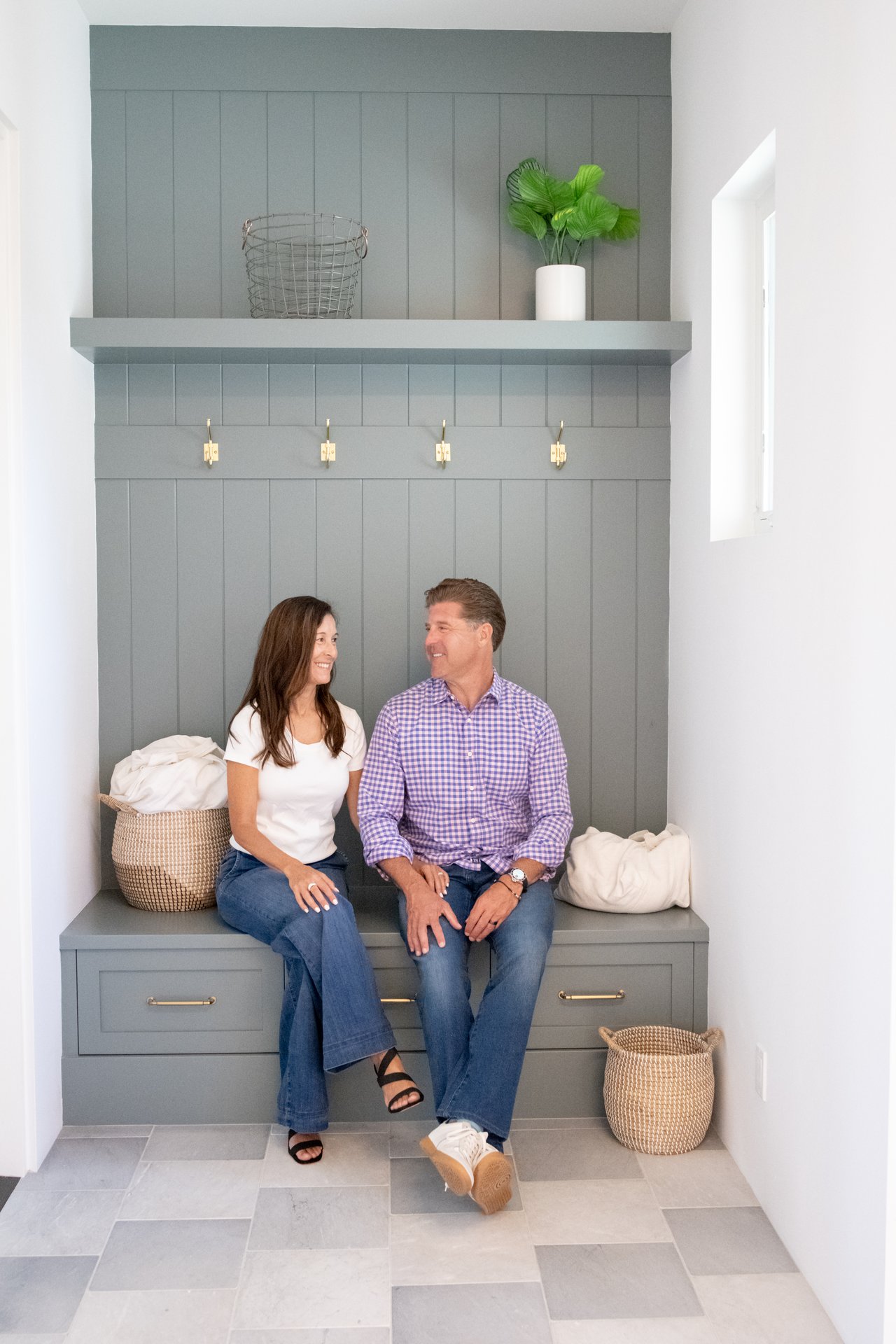
If you are thinking about selling and want a tailored prep plan for your property, Ryan & Tracie can help you map out the right sequence, connect you with trusted vendors, and position your La Jolla home for a strong launch.
FAQs
What should you fix before selling a La Jolla luxury home?
- Focus first on safety issues and major systems such as roof, water intrusion, HVAC, plumbing, pest, electrical, and sewer concerns. After that, prioritize cosmetic updates that improve first impressions.
Is staging worth it for a La Jolla luxury listing?
- Yes. NAR’s 2025 staging survey found that 83% of buyers’ agents said staging made it easier for buyers to visualize the property as a future home, with living rooms, primary bedrooms, and kitchens rated as especially important.
When should you photograph a La Jolla home before listing?
- Photograph the home after repairs, cleaning, cosmetic updates, and staging are complete so the final marketing reflects the property at its best.
Do California sellers need disclosure documents before listing a home?
- California sellers of residential property must provide a Transfer Disclosure Statement, and some properties may also require Natural Hazard Disclosure documentation.
Should you pull permit records before selling a La Jolla home?
- Yes. If the home has had renovations or other improvements, gathering permit history through San Diego Development Services can help answer buyer questions and reduce friction during escrow.
Can Compass Concierge help with La Jolla listing prep?
- Compass Concierge may help cover services such as staging, painting, flooring, deep cleaning, decluttering, landscaping, and seller-side inspections, with payment due at closing subject to program terms.