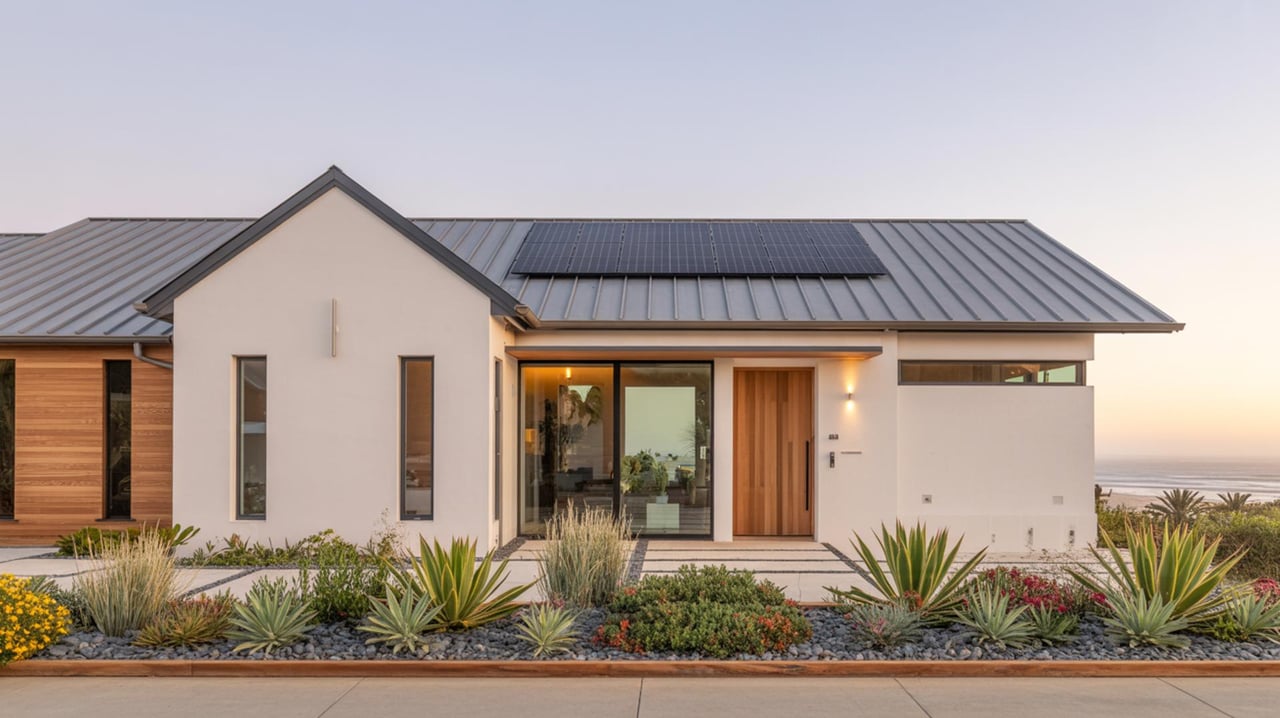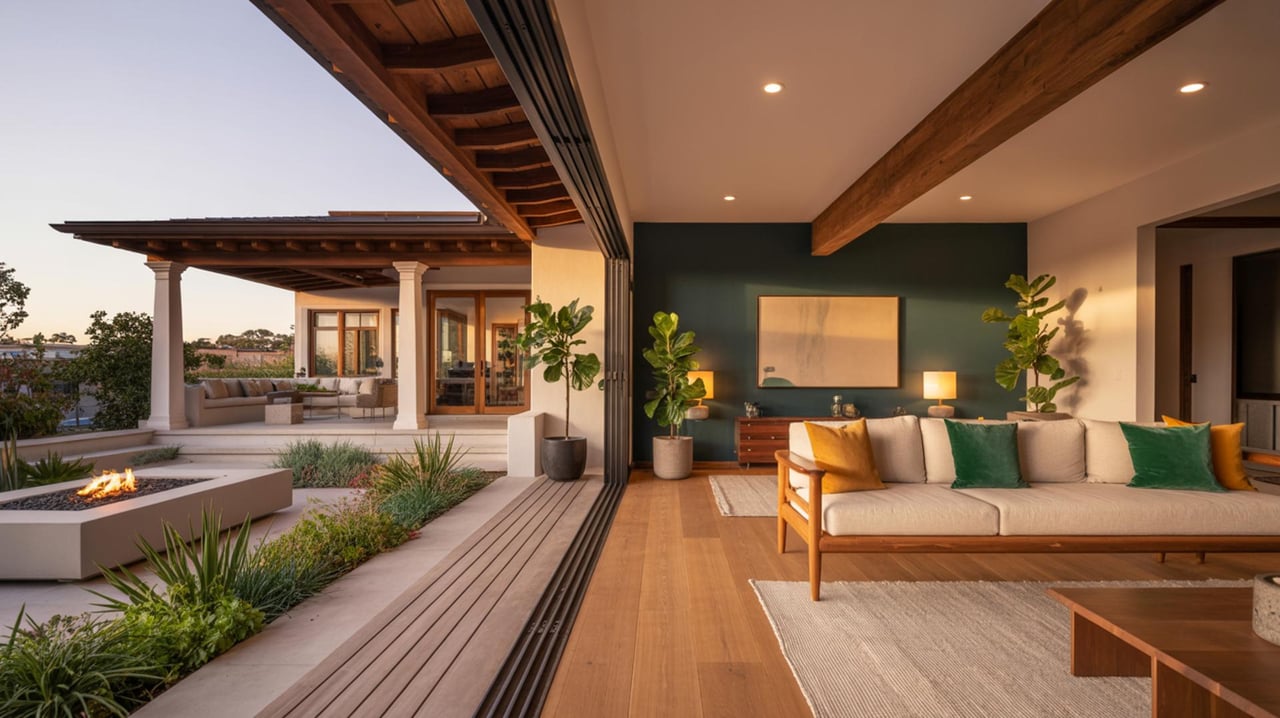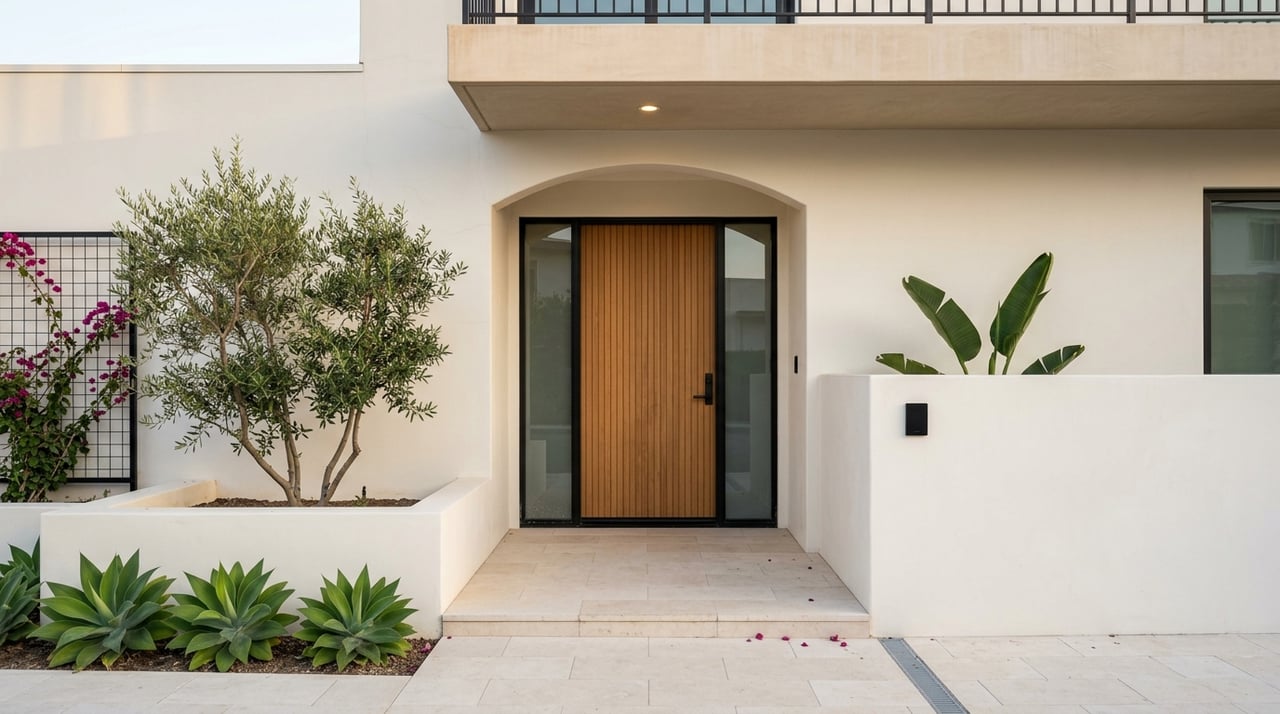
Dreaming about a home you can enjoy in La Jolla without taking on a long list of upkeep every time you arrive or leave? You are not alone. Many buyers want the coastal lifestyle, ocean air, and easy access to dining, beaches, and recreation without the constant demands of exterior maintenance. That is exactly why lock-and-leave living stands out in La Jolla, and why understanding how these properties work can help you buy with more confidence. Let’s dive in.
Why La Jolla works so well
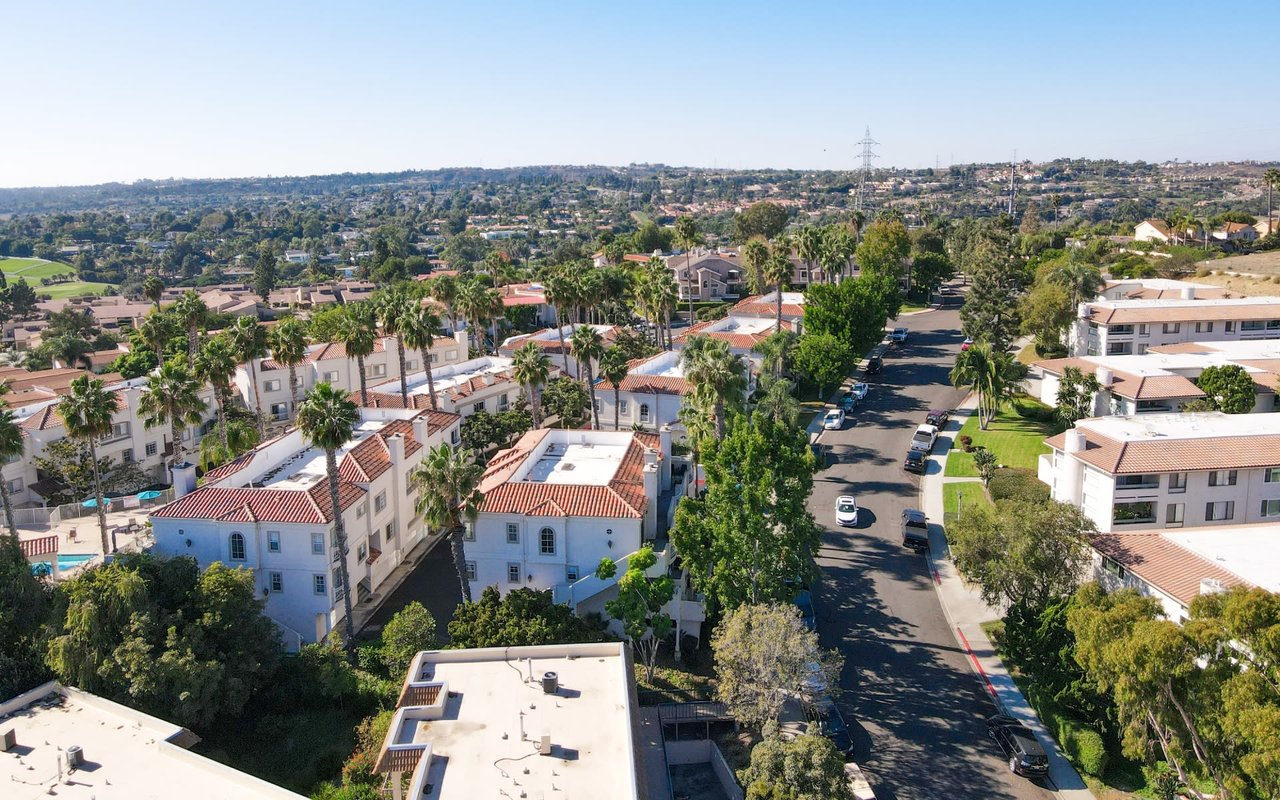
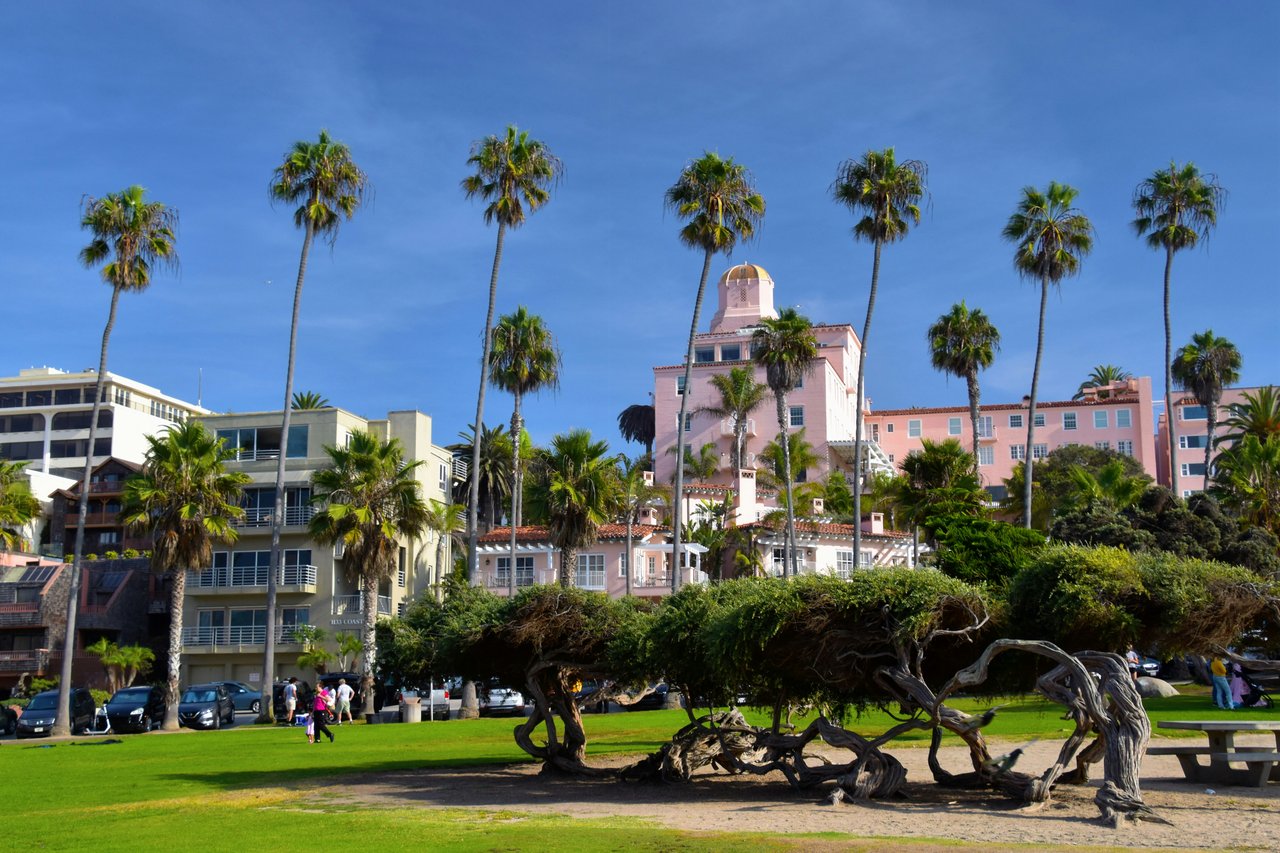
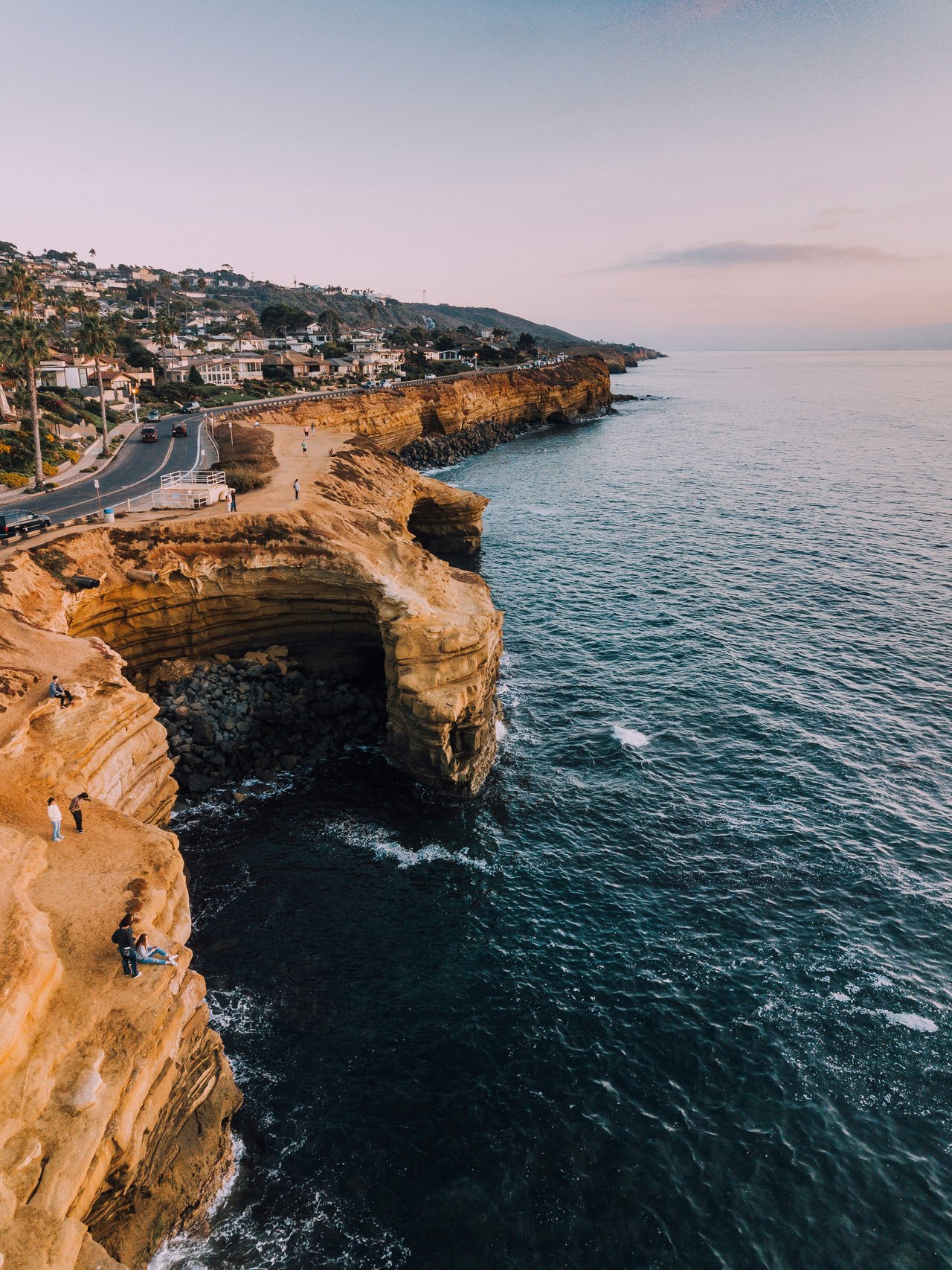
La Jolla has long been known as a coastal destination with broad lifestyle appeal. The community sits about 12 miles north of Downtown San Diego and is defined by beaches, ocean bluffs, hillsides, and canyons. It is also primarily residential and about 99 percent built out, which means many housing opportunities are found in established communities rather than large new developments.
For you as a buyer, that matters. If you are looking for lock-and-leave living in La Jolla, you will often be comparing condos and townhomes in existing buildings and planned communities. That makes the quality of HOA management, reserve planning, and governing documents especially important.
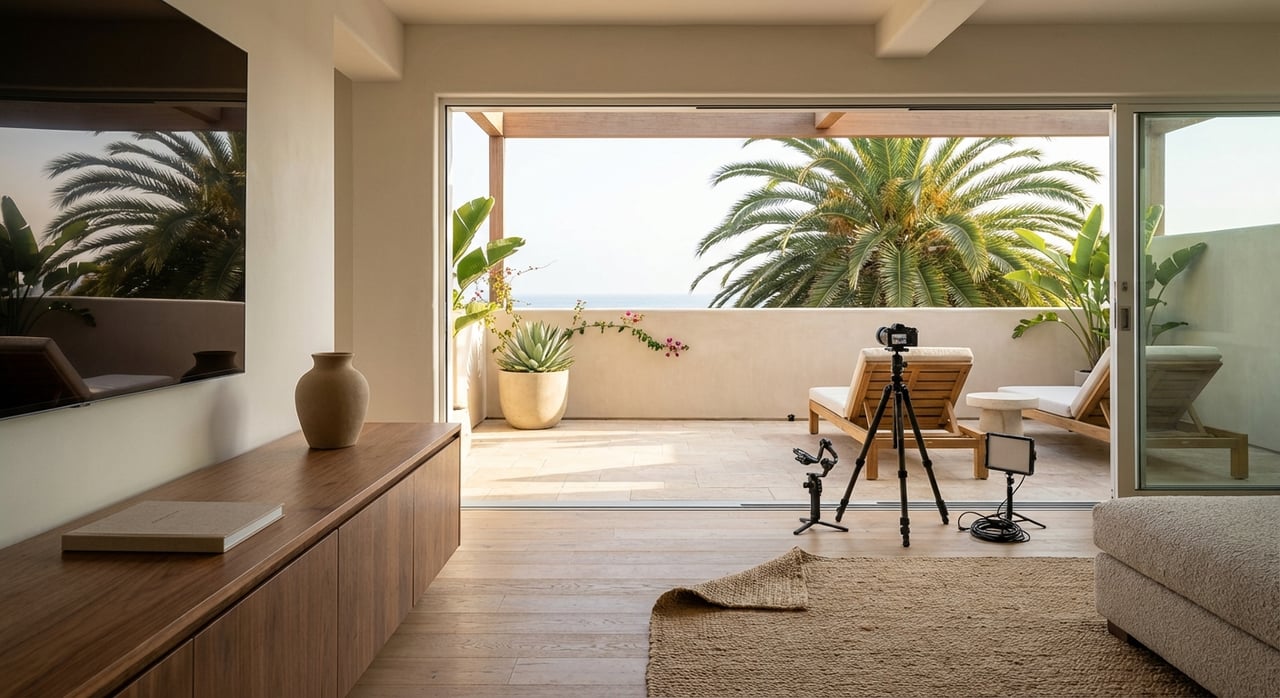
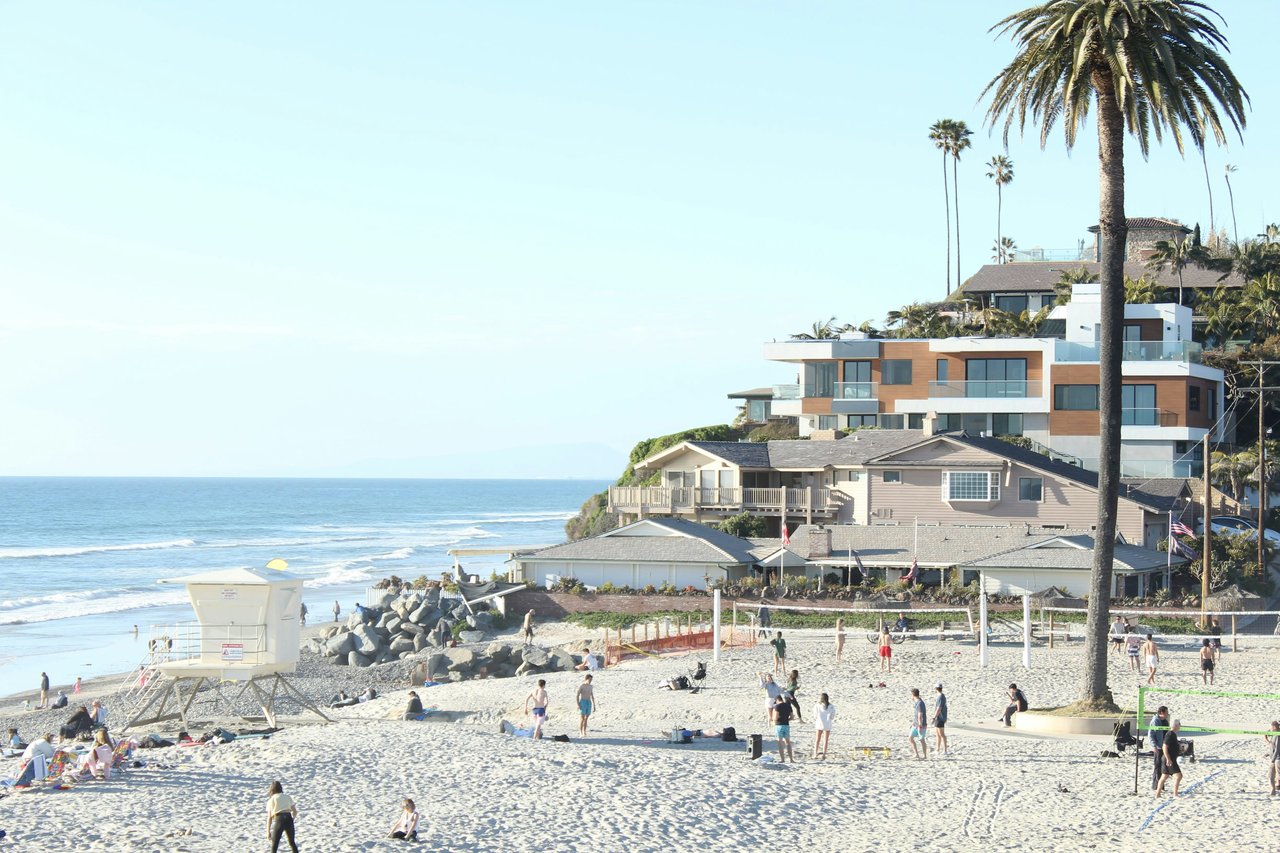
La Jolla also fits the lifestyle side of the equation. The area has been a favorite vacation destination since the 1880s, and it is known for exceptional weather, beaches, dining, shopping, and local events. From La Jolla Shores and La Jolla Cove to walking and biking near the coast, the appeal is easy to see for second-home owners, frequent travelers, downsizers, and buyers who want simplicity.
What lock-and-leave living means
In practical terms, lock-and-leave living usually means owning a home that requires less hands-on day-to-day care when you are away. Instead of managing landscaping, common-area repairs, and major exterior upkeep yourself, many of those responsibilities are handled by the homeowners association.
In California common interest developments, HOA membership is generally automatic when you buy a lot, home, townhouse, or condominium within the community. You agree to follow the governing documents, including the CC&Rs, and you pay regular dues and any applicable assessments. The association is typically run by an elected board.
This setup can be a strong fit if you split time between homes, travel often, or simply want a more predictable ownership experience. In La Jolla, where many lock-and-leave options are in established condo and townhome communities, that structure can offer both convenience and peace of mind.
How condos and townhomes support low maintenance
A big reason condos and townhomes appeal to lock-and-leave buyers is the ownership structure itself. In a condominium project, your ownership generally includes your separate unit interest, while the common area is owned or controlled by the HOA.
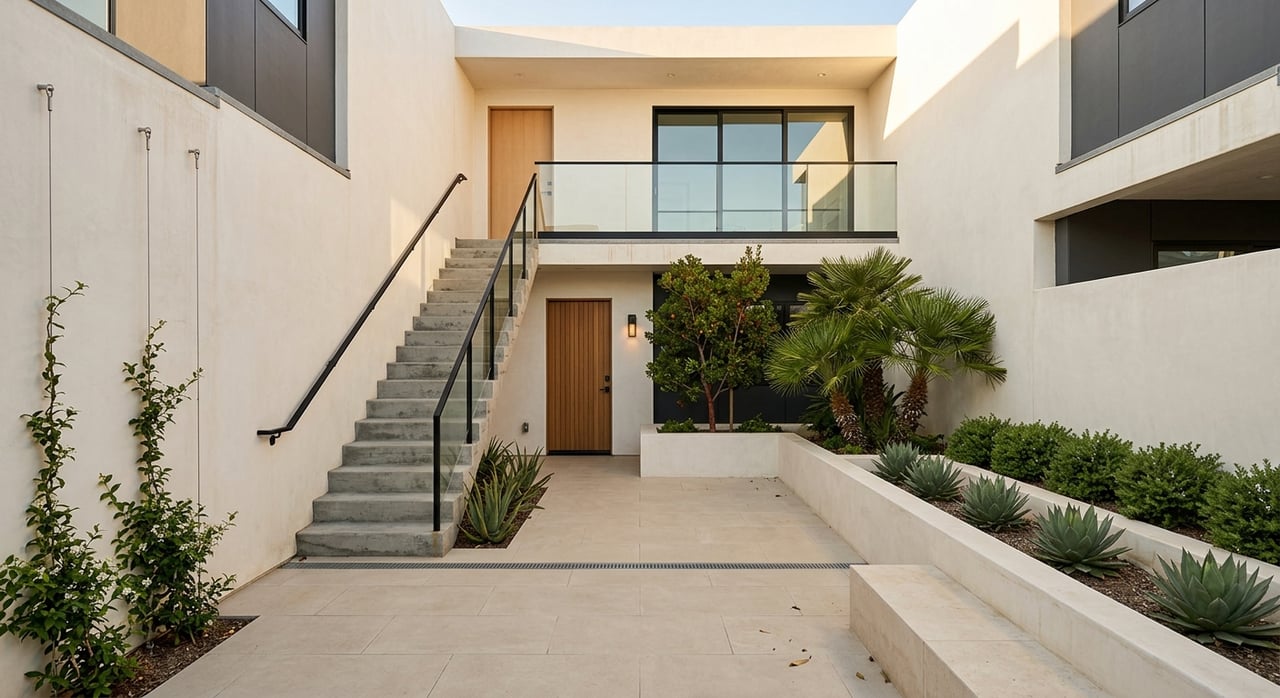
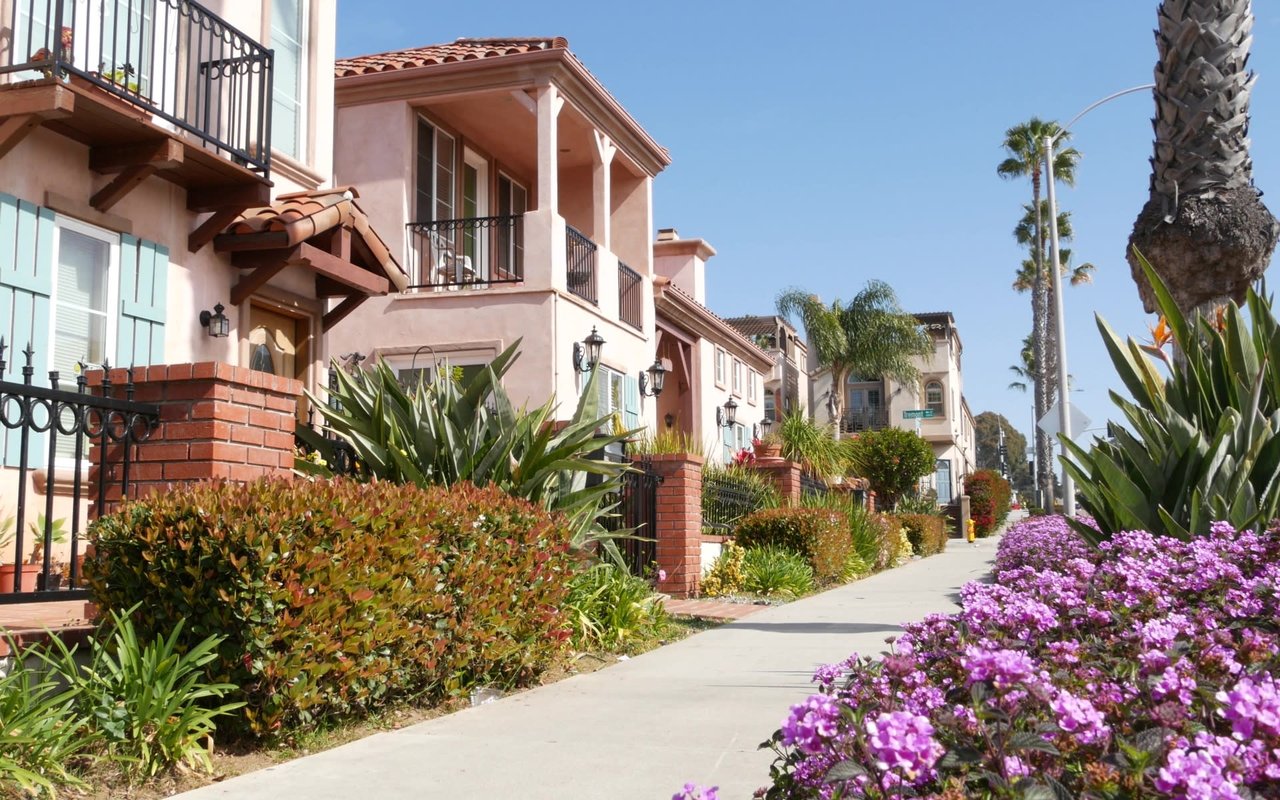
That common area may include shared landscaping, parking areas, recreation spaces, outdoor lighting, and drainage systems. In many communities, the HOA handles routine maintenance of those spaces and plans for long-term repair or replacement of common-area components as they age.
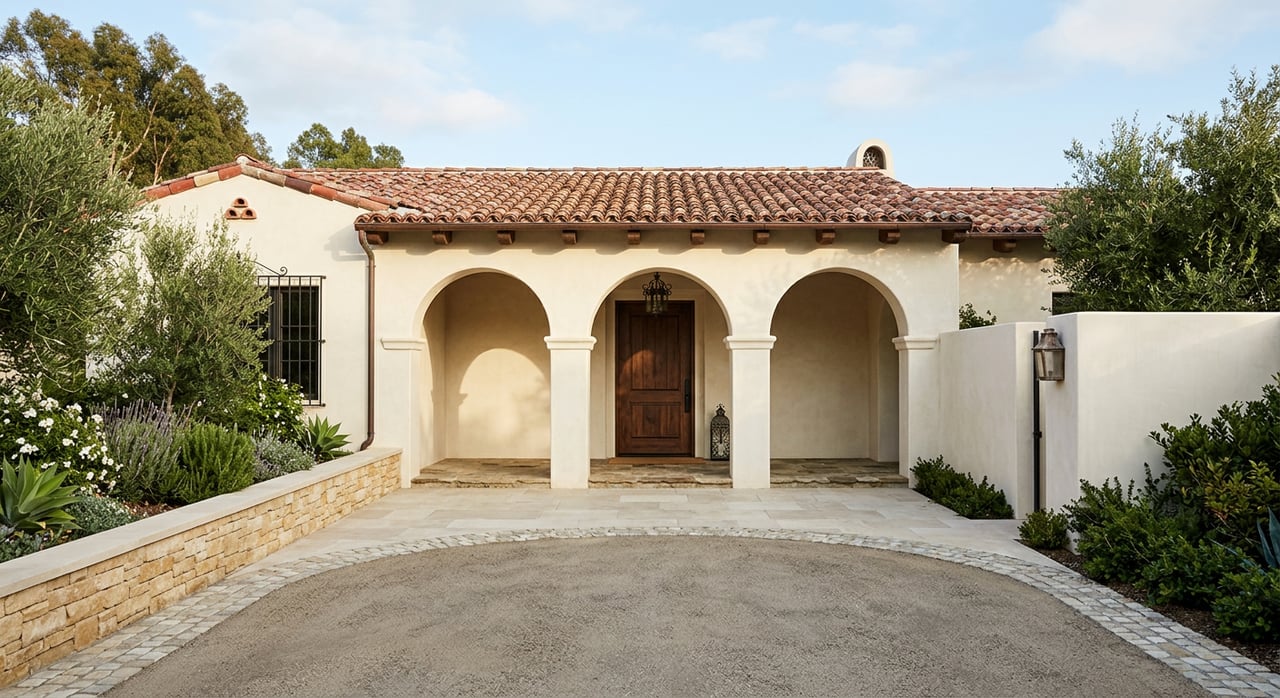
Townhome and condo communities can vary, though. Some features like balconies, patios, parking spaces, private yards, or driveways may be classified as exclusive-use common area. That means you may have the right to use them, but maintenance responsibility depends on the governing documents.
What the HOA often covers
One of the most common questions buyers ask is simple: what does the HOA actually handle? In many California common interest developments, the HOA is responsible for day-to-day maintenance of common areas and long-term upkeep of shared components.
That often includes:
- Landscaping in shared areas
- Recreation facilities
- Parking areas
- Drainage gutters
- Outdoor lighting
- Long-term repair and replacement of common-area components
This is one of the main reasons lock-and-leave ownership can feel easier than a detached home. When you are away, you are usually not arranging for shared landscape care or overseeing maintenance of the larger common property yourself.
What may still be your job
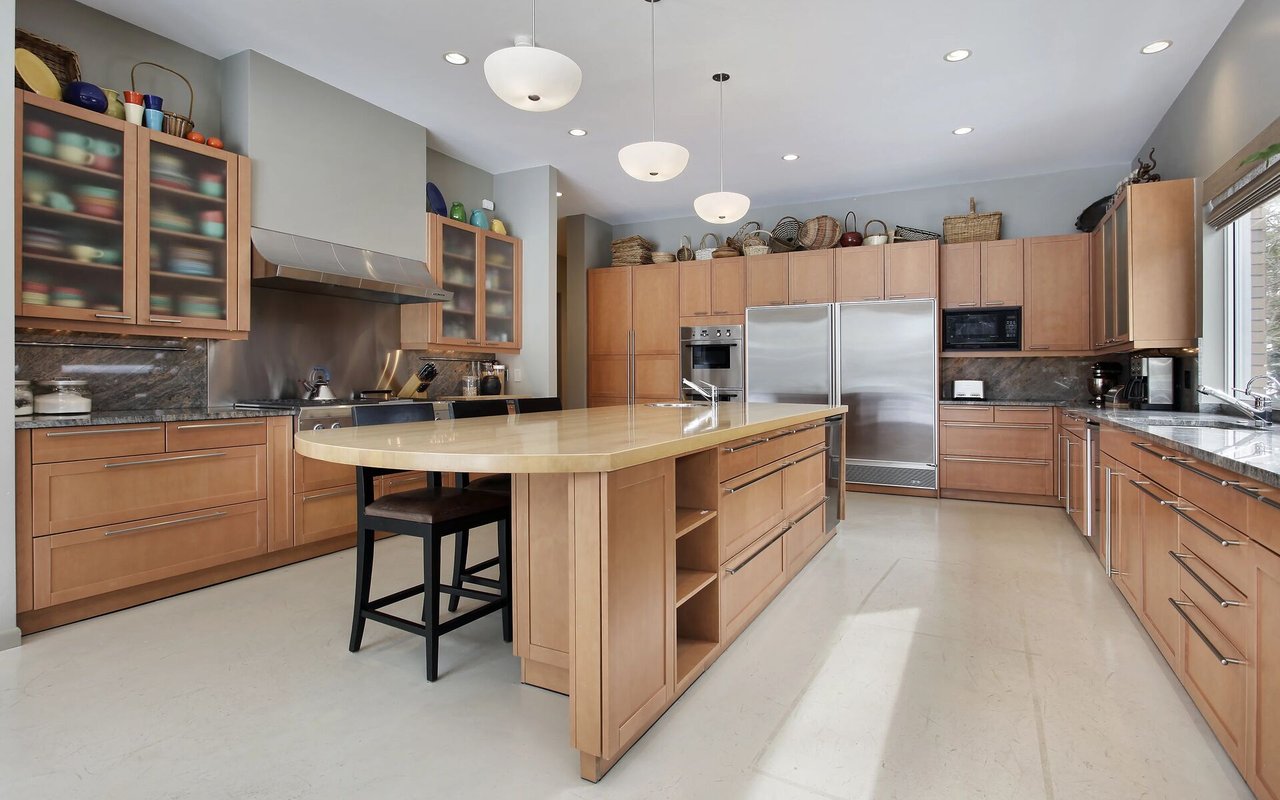
Low maintenance does not mean no maintenance. As an owner, you are still usually responsible for your interior living space. That can include items such as flooring, paint, kitchen counters, and other in-unit finishes.
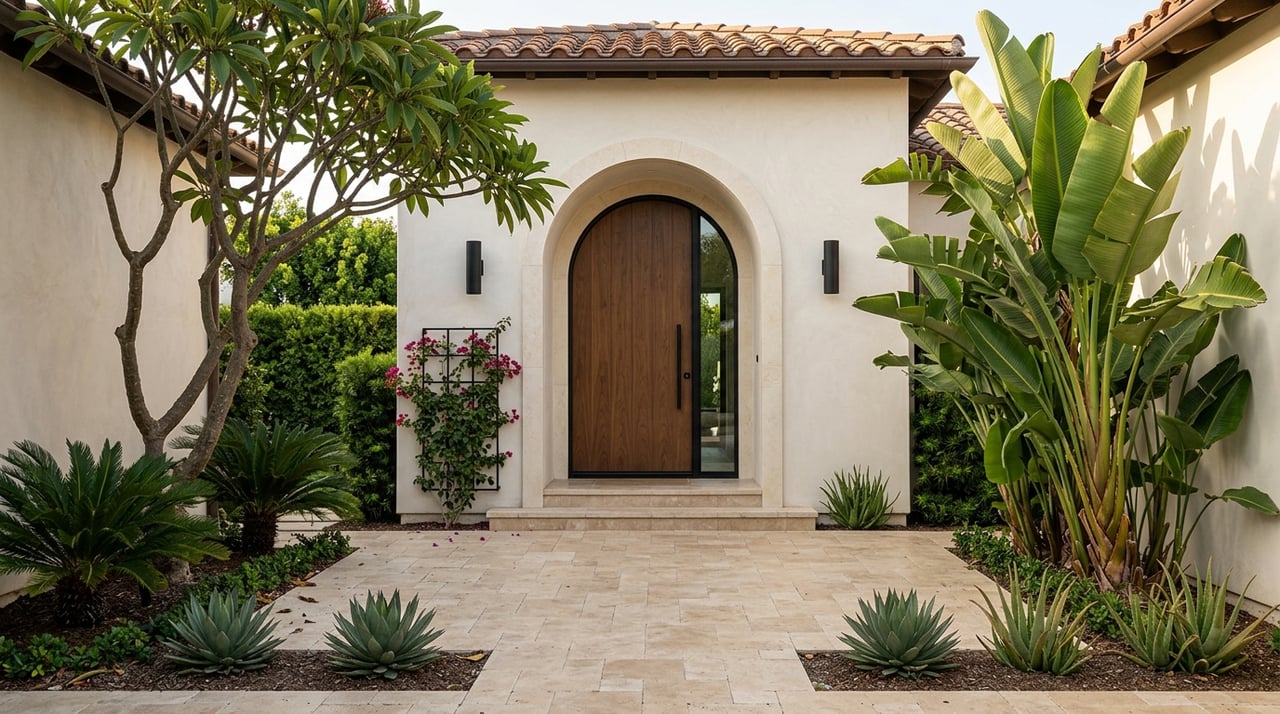
Depending on the community, you may also be responsible for certain exterior or semi-exterior elements. In some associations, owners may maintain exclusive-use areas or specific features such as decks, front doors, siding, roofs, or private yards. In others, the HOA may take on more of that work.
The key point is that the split is document-driven. You should never assume two La Jolla condo buildings or townhome communities work the same way just because they look similar from the outside.
Why reserves matter in La Jolla
If you want lock-and-leave ownership to feel predictable, reserve strength deserves close attention. Reserve studies estimate the cost of repairing and replacing major common-area components over time, including items such as roofs or pavement.
Strong reserve planning helps reduce deferred maintenance and supports property values. It can also lower the risk of financial surprises, though dues and assessments can still rise over time. If an HOA has weak finances, owners may face fewer services, higher dues, or special assessments.
In La Jolla, this matters even more because much of the housing stock is established. Since the community is largely built out, buyers are often evaluating existing buildings and communities rather than brand-new inventory. That makes HOA health a major part of the decision.
Coastal conditions add another layer
La Jolla’s coastal setting is a huge part of its appeal, but it also affects long-term ownership. The City of San Diego says sea level rise has already occurred and projects additional rise by 2100, along with increased flooding and faster coastal erosion. The California Coastal Commission also notes that sea level rise is expected to accelerate and can intensify flooding and erosion along the coast.
That does not mean lock-and-leave living is less attractive here. It means your due diligence should include how a building or community plans for long-term coastal wear and maintenance. In an established coastal market like La Jolla, thoughtful review matters more than broad assumptions.
What to review before you buy
Before purchasing a lock-and-leave property in La Jolla, it helps to look beyond finishes, views, and amenities. The documents can tell you far more about your day-to-day ownership experience than a quick showing ever will.
Be sure to review:
- The public report
- CC&Rs
- Bylaws
- HOA budget
- Reserve information
- Any history of special assessments
These materials can help you understand assessment levels, common-area obligations, governance structure, and potential future costs. They can also clarify which exterior components are HOA-managed and which may still fall on you as the owner.
Questions worth asking
When you are comparing La Jolla condos or townhomes, the right questions can save you time and frustration. A lock-and-leave property should not just look convenient. It should operate in a way that matches how you plan to use it.
Consider asking:
- What maintenance is covered by the HOA?
- Are balconies, patios, decks, or private outdoor areas owner-maintained?
- How strong are the reserves?
- Has the association had recent special assessments?
- How does the community plan for long-term exterior wear?
- Are there building-specific maintenance issues tied to the coastal setting?
These answers vary by association, so building-specific review is essential. In La Jolla, two properties with a similar price point can offer very different ownership experiences once you read the documents closely.
Who lock-and-leave living suits best
Lock-and-leave living can be a smart fit for several types of buyers in La Jolla. If you are looking for a second home, the ease of HOA-managed common areas can make ownership feel far more practical.
It can also work well if you travel often, divide your time between cities, or want a lower-maintenance coastal base. For downsizers, it may offer a way to stay close to the beach lifestyle while reducing the workload that can come with a larger property.
For remote and out-of-area buyers, the model can be especially appealing. A well-run condo or townhome community may offer a more streamlined ownership experience, but only when the building, finances, and maintenance structure align with your goals.
The La Jolla advantage is clarity
The best lock-and-leave purchase in La Jolla is not just about location. It is about clarity. You want to know what is covered, what is not, how the HOA plans ahead, and whether the community is set up to support the easy ownership experience you want.
That is where local guidance becomes valuable. In a built-out coastal market with a wide range of established condos and townhomes, the details behind the listing matter just as much as the lifestyle on the brochure.
If you are exploring lock-and-leave living in La Jolla and want help comparing communities, reviewing the ownership structure, or narrowing in on the right fit, Ryan & Tracie can help you move forward with local insight and concierge-level guidance.
FAQs
What does lock-and-leave living in La Jolla usually mean?
- It usually means owning a condo or townhome where the HOA handles many shared maintenance responsibilities, making the property easier to leave unattended for periods of time.
What does an HOA typically cover in a La Jolla condo community?
- Many HOAs handle common-area landscaping, recreation facilities, parking areas, drainage gutters, outdoor lighting, and long-term maintenance of shared components, but the exact scope depends on the governing documents.
What maintenance is still the owner’s responsibility in a La Jolla lock-and-leave home?
- Owners usually handle interior items such as flooring, paint, and counters, and in some communities they may also maintain certain exterior or exclusive-use areas depending on the CC&Rs.
Why are reserve funds important when buying a La Jolla condo or townhome?
- Reserve funds help pay for future repair and replacement of major common-area components, which can reduce deferred maintenance and help you better understand the risk of future assessments.
Why is HOA document review so important for La Jolla buyers?
- HOA rules, maintenance responsibilities, budgets, reserves, and assessment history vary by community, so reviewing the public report, CC&Rs, bylaws, and financials helps you understand the true ownership experience.
How does La Jolla’s coastal setting affect lock-and-leave ownership?
- Coastal conditions can increase the importance of long-term maintenance planning, reserve strength, and building-specific due diligence because sea level rise, flooding, and erosion are part of the local conversation.