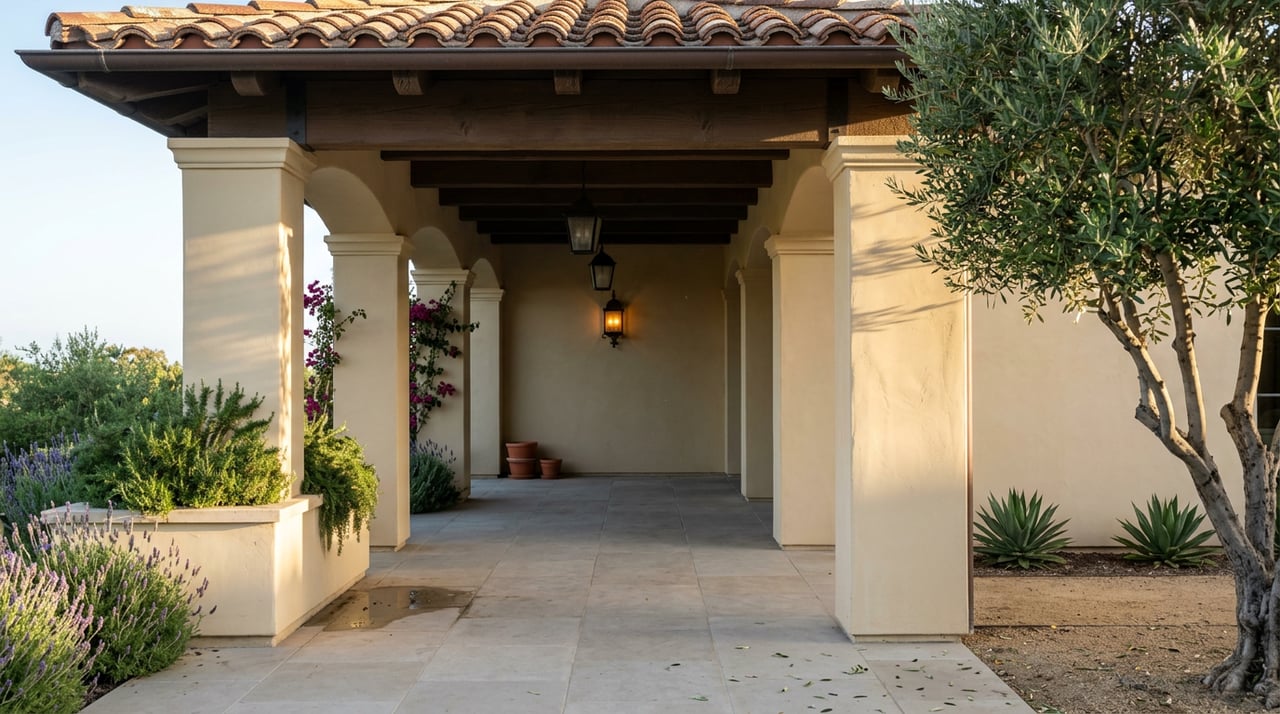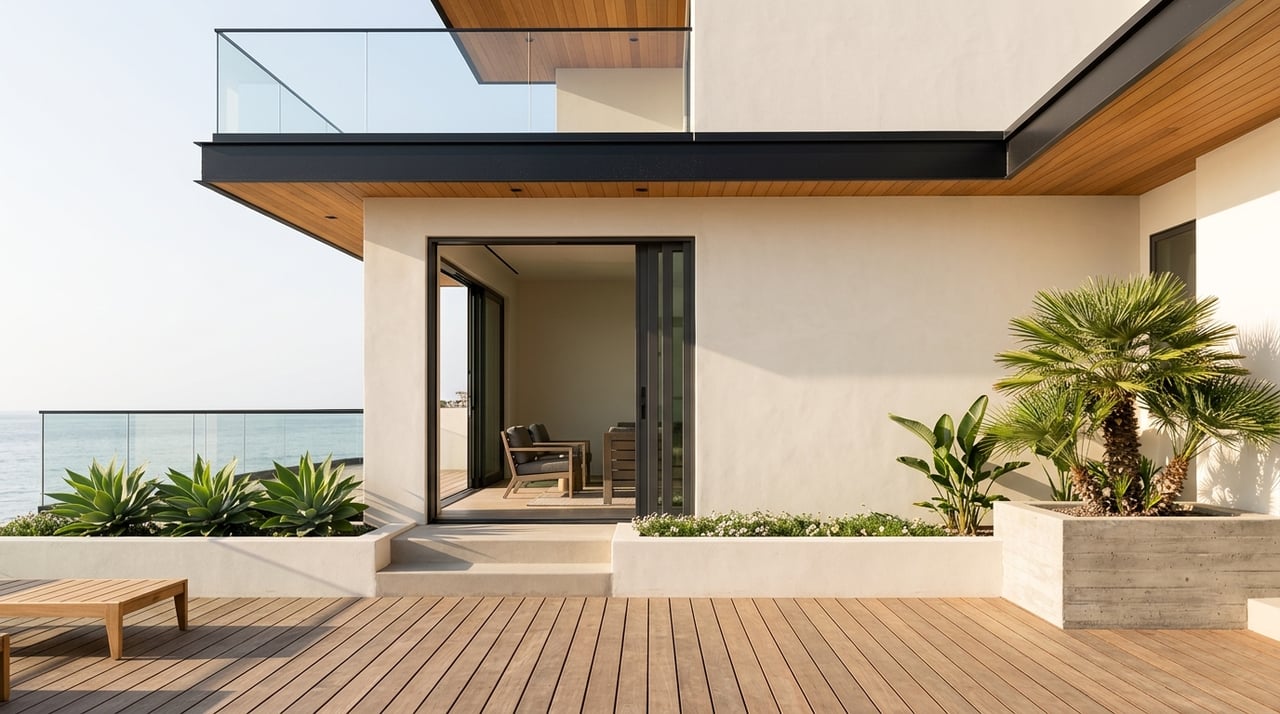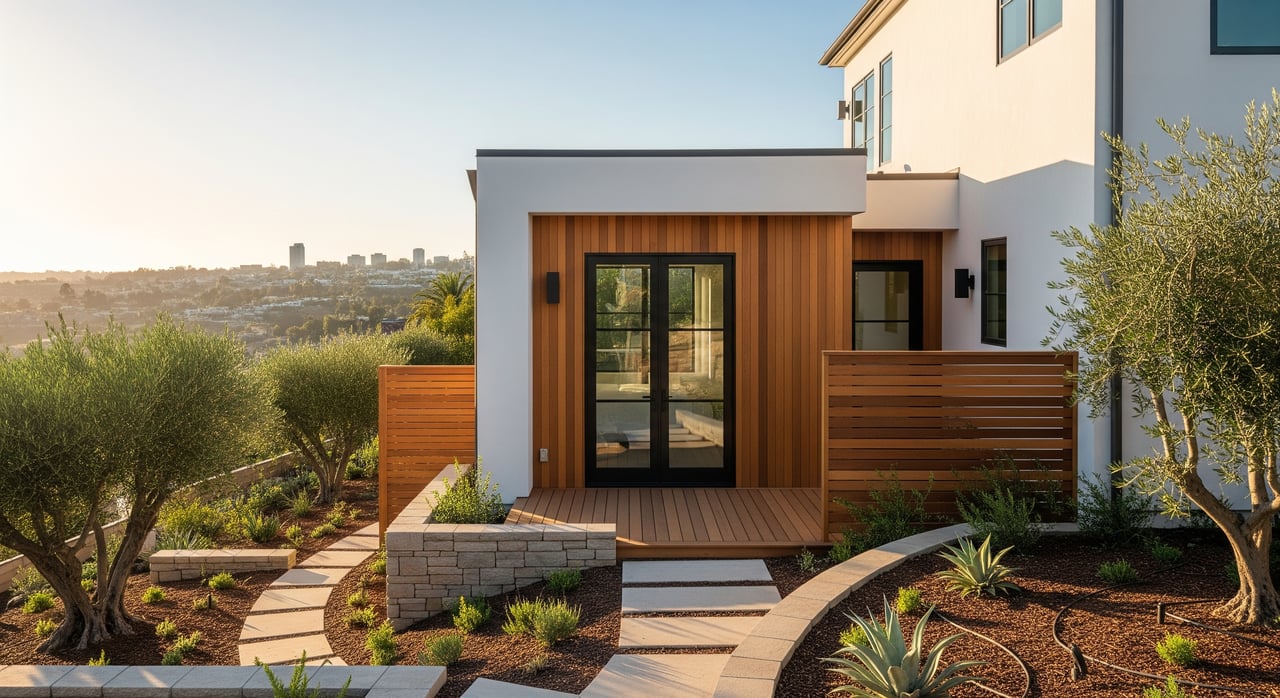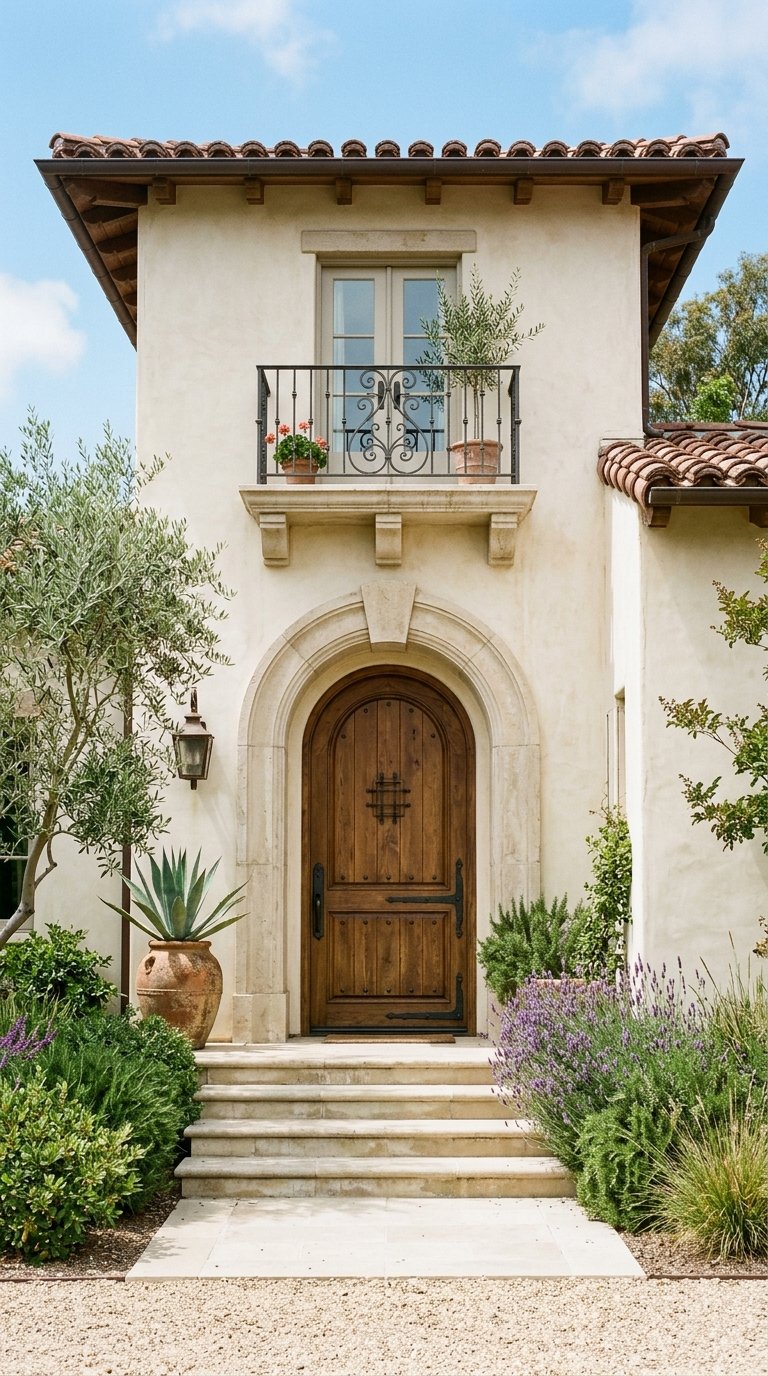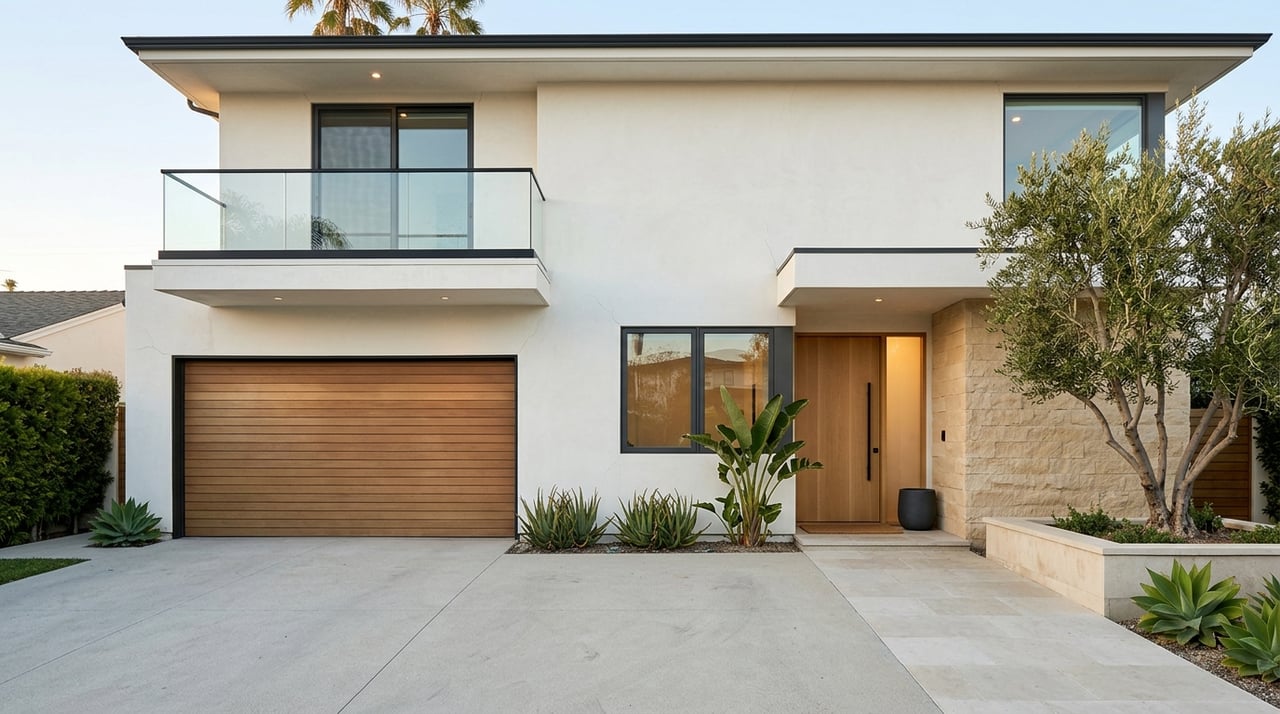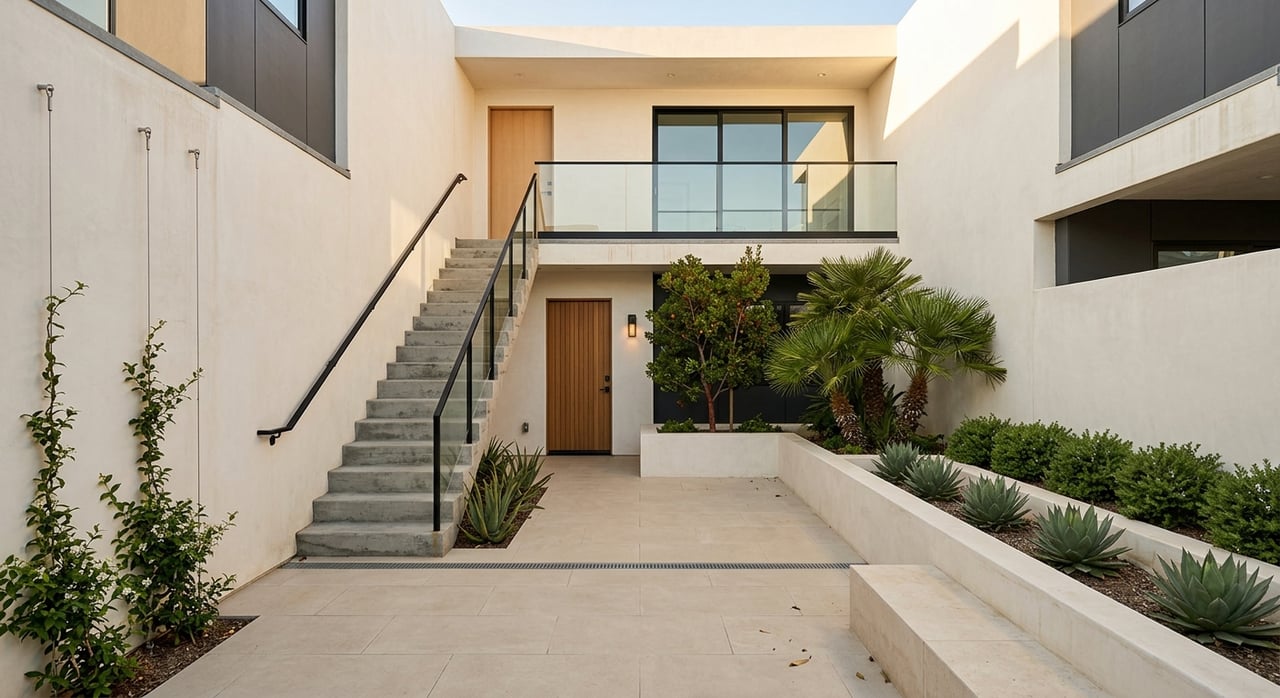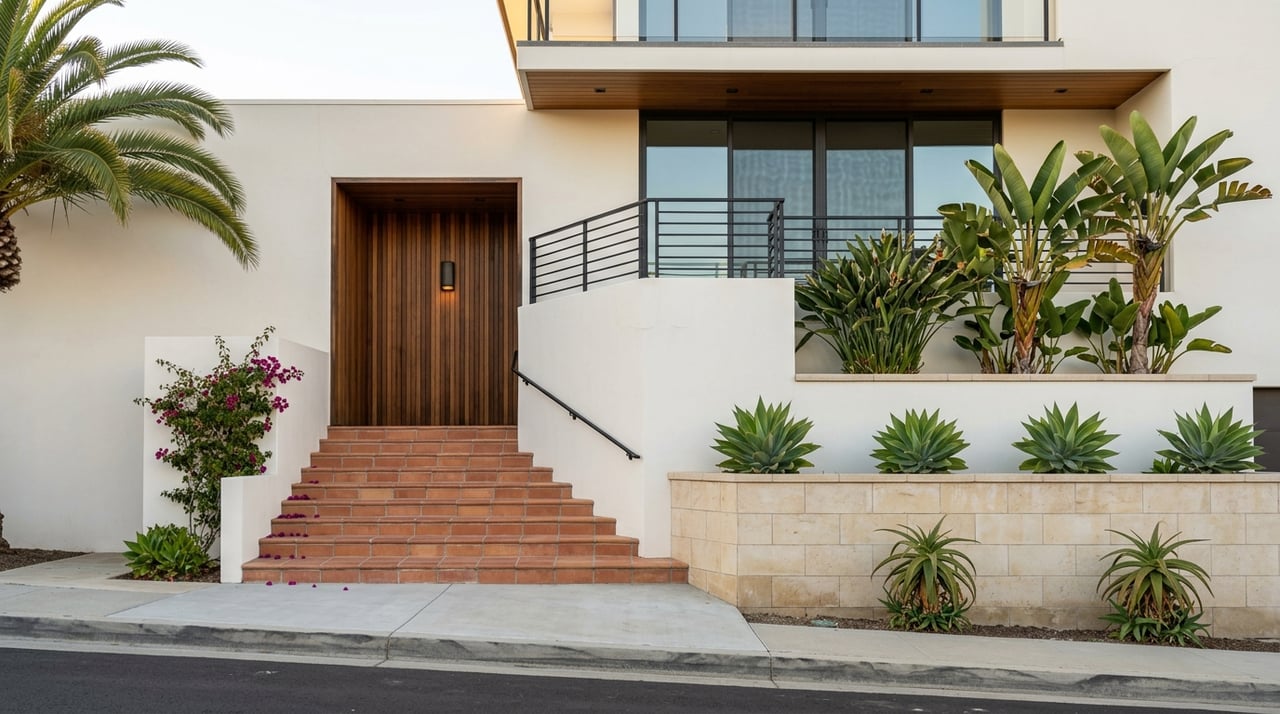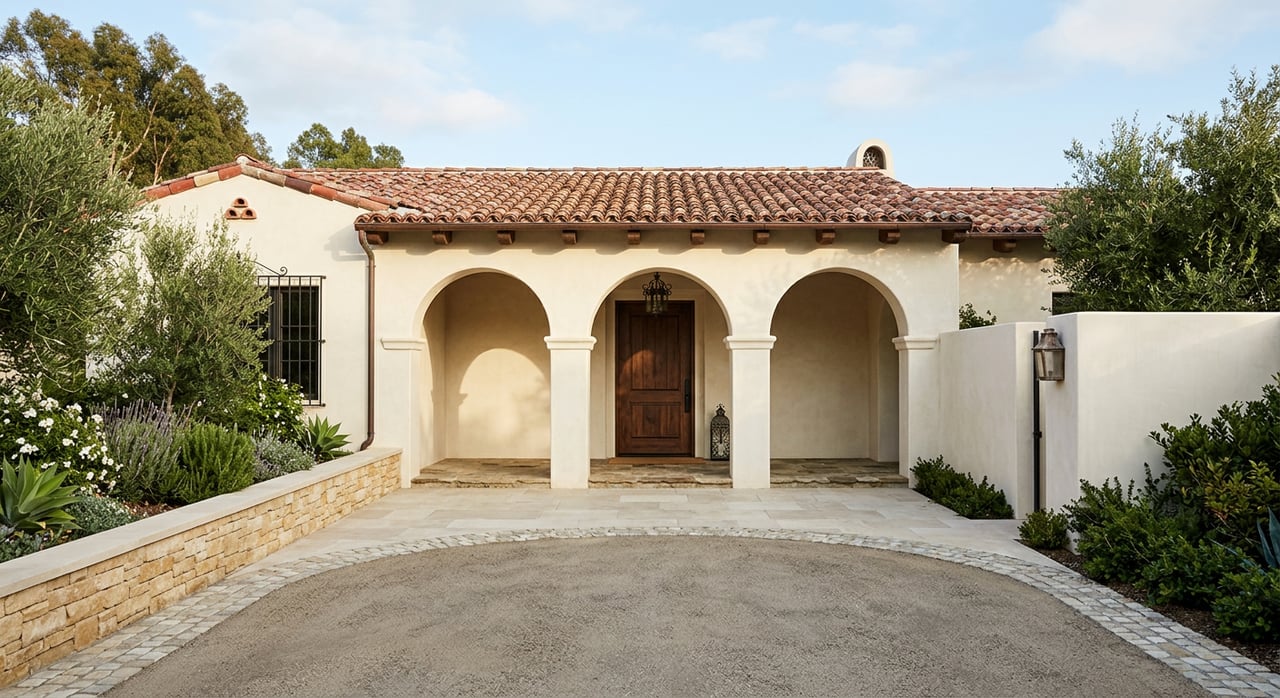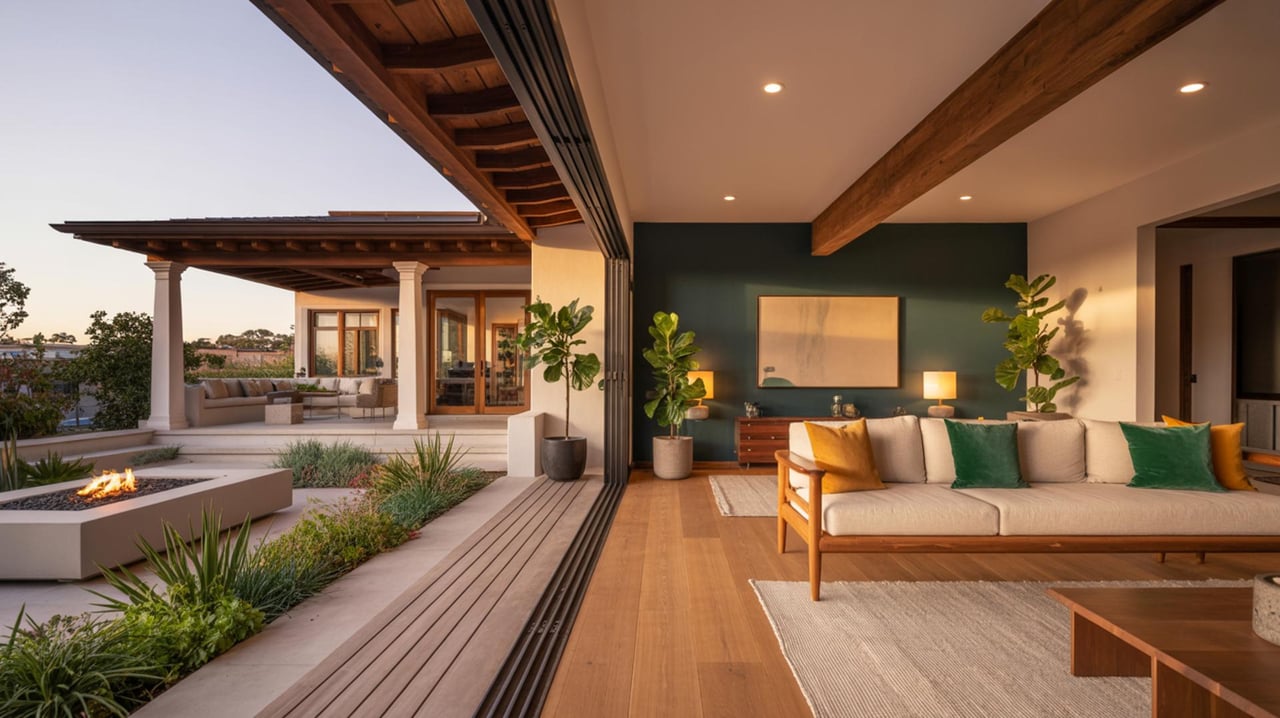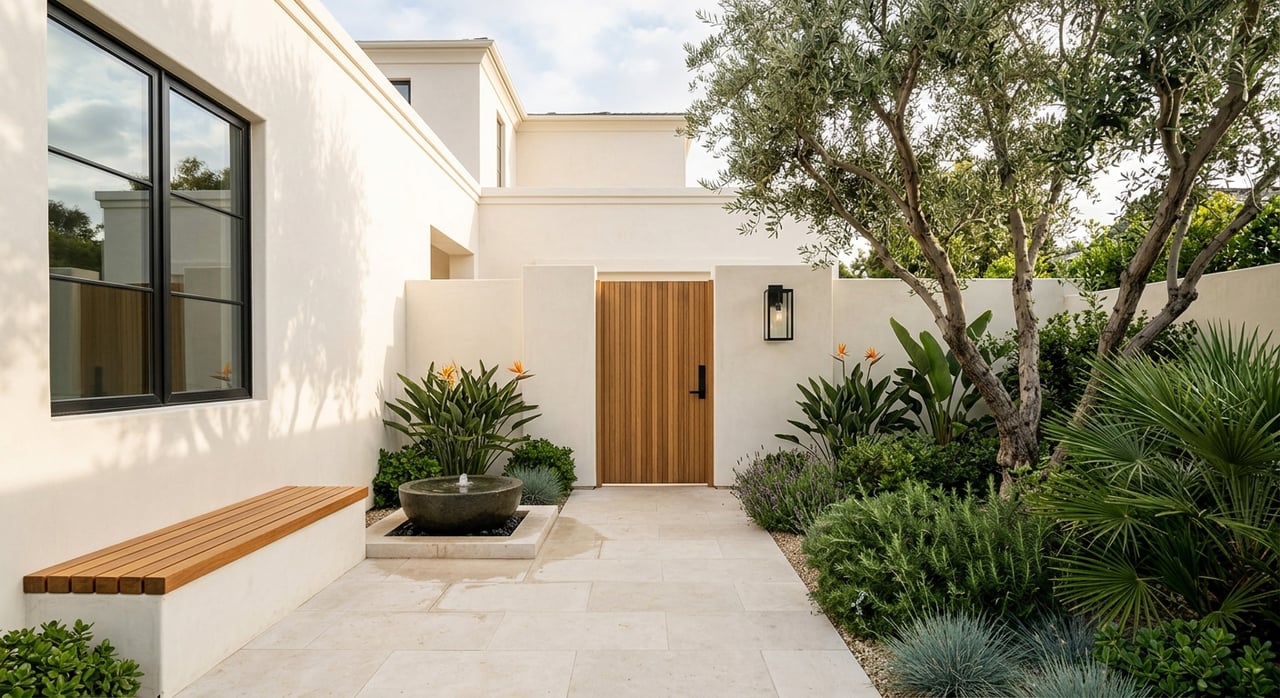
Dreaming of coastal living without feeling like you are in vacation traffic every day? Pacific Beach can surprise you. While it is one of San Diego’s busiest beach communities, it is also a primarily residential neighborhood with established housing, everyday amenities, and pockets that feel far more grounded than the boardwalk image suggests. If you want to understand where Pacific Beach feels lively, where it feels calmer, and how to think about the tradeoffs, you are in the right place. Let’s dive in.
What Pacific Beach Really Feels Like
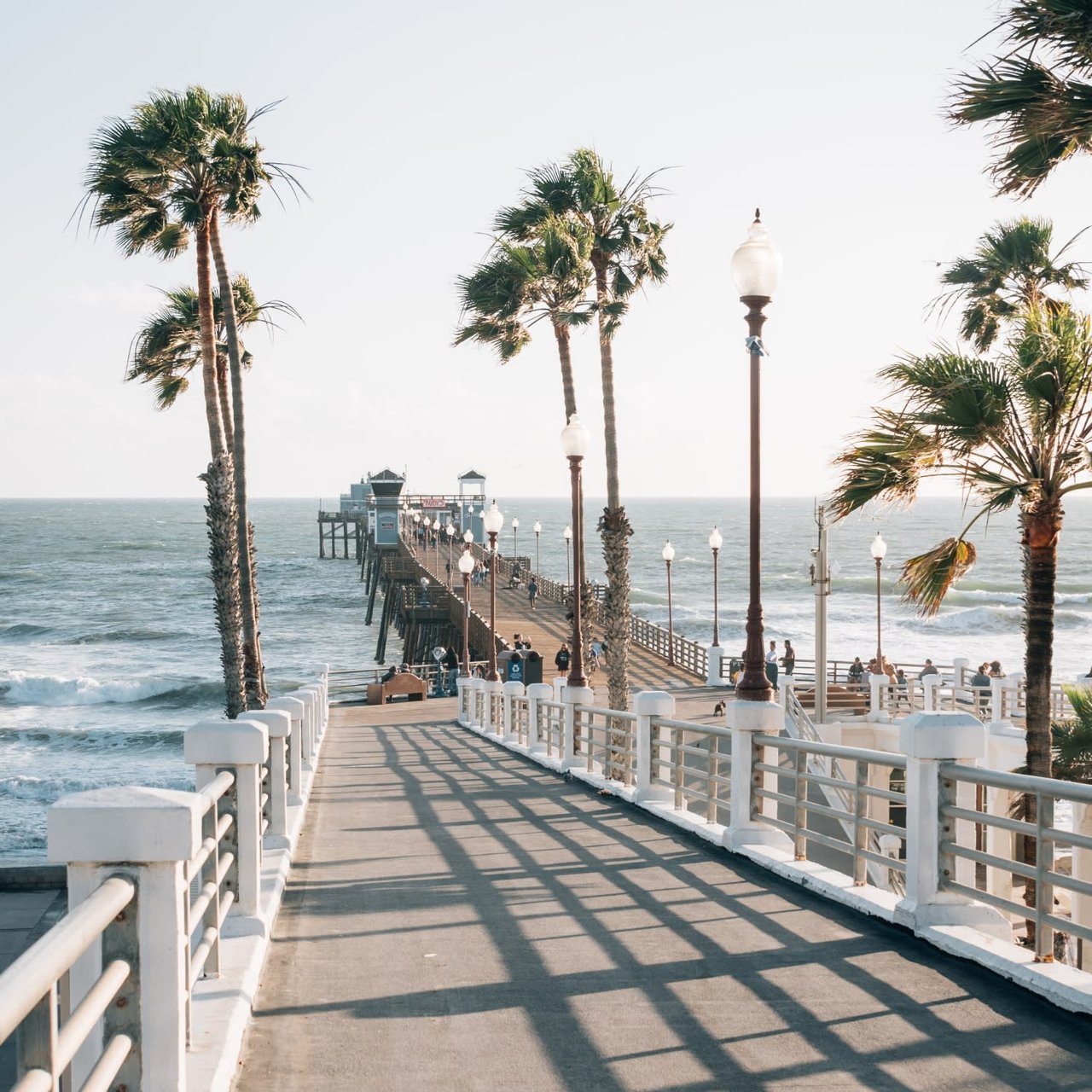
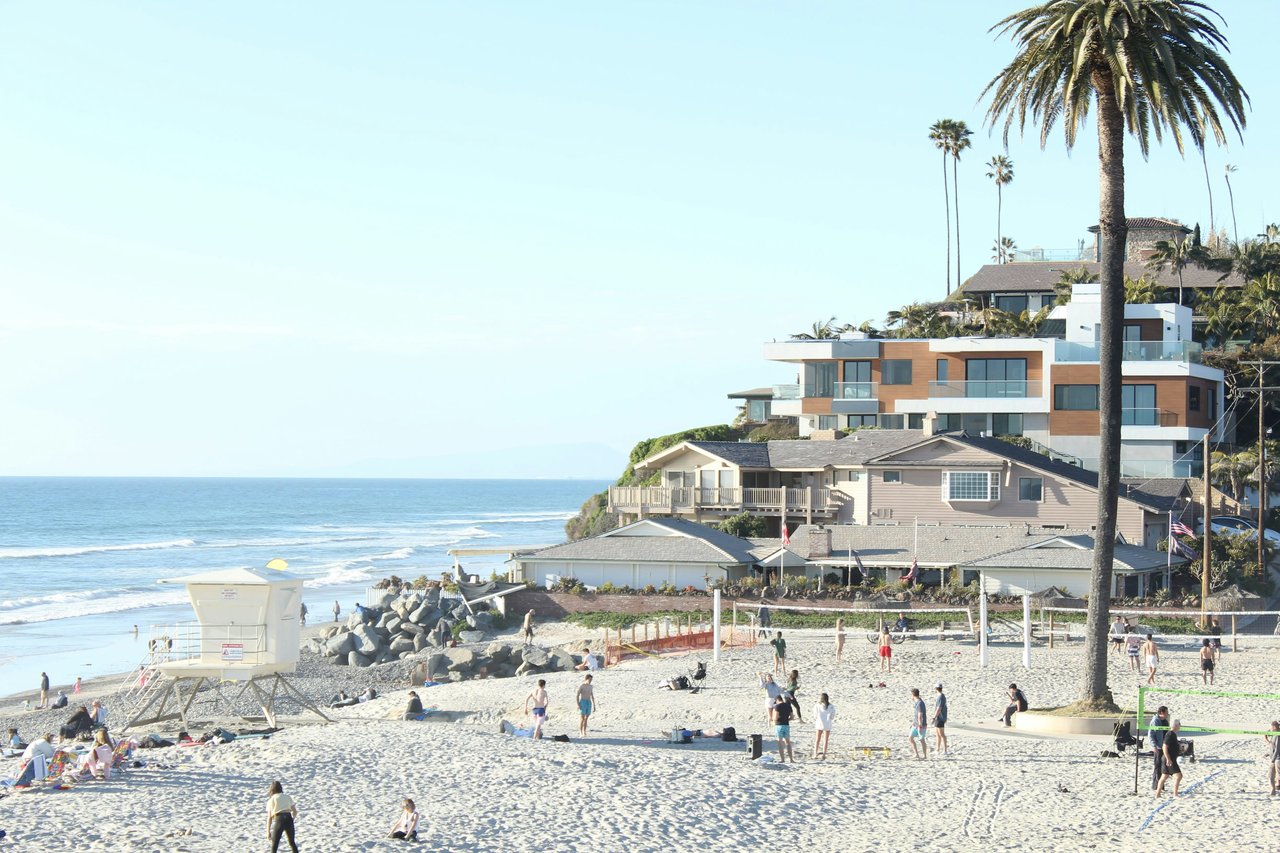
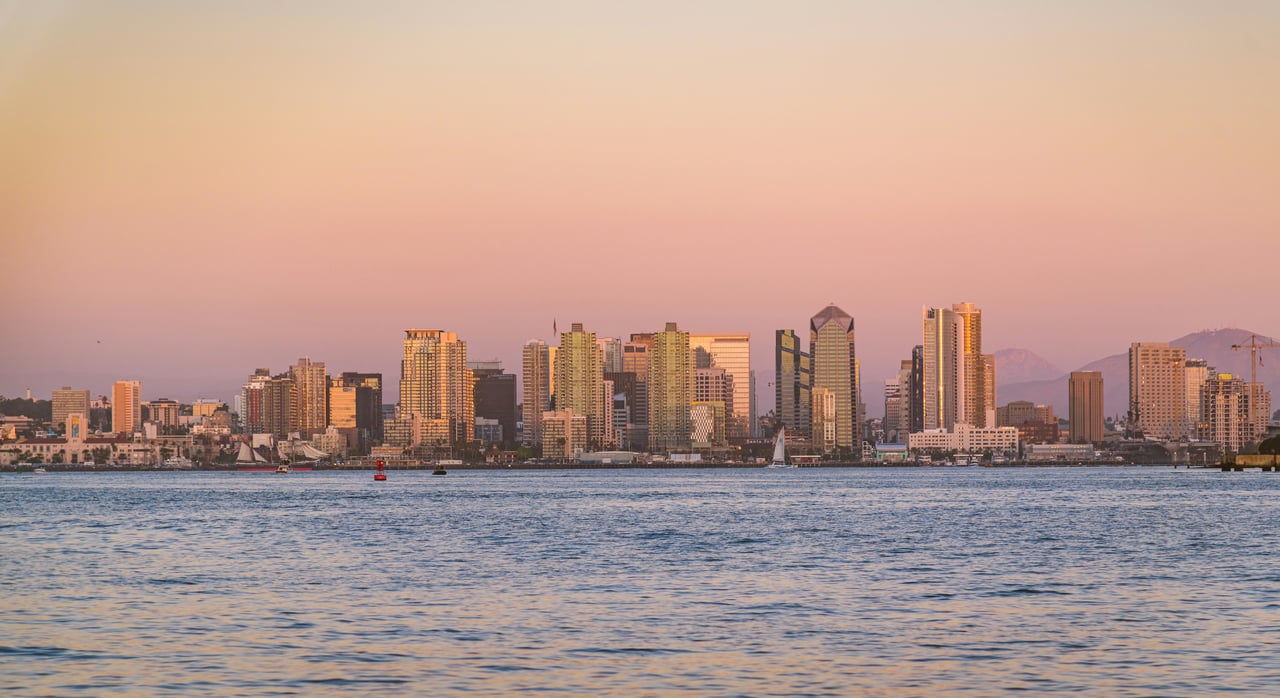
Pacific Beach sits in a setting that naturally draws attention. The ocean is to the west, Mission Bay and Mission Beach are to the south, La Jolla is to the north, and Interstate 5 is to the east. According to the City of San Diego’s Pacific Beach community overview, it is primarily residential, even though it is also one of the busiest beach areas in the city, especially during summer.
That contrast is what defines daily life here. You can have access to a sandy shoreline that stretches more than two miles, but your day-to-day experience depends a lot on which part of the neighborhood you choose. Some blocks feel active and visitor-oriented, while others feel more rooted in full-time living.
Why Pacific Beach Can Feel Calm
A lot of buyers assume Pacific Beach is all motion, all the time. The city’s planning materials tell a different story. Pacific Beach is almost completely built out, with about 97% of the community already developed, which means it reads more like an established neighborhood than a new-growth area.
That matters because established communities often have a more settled rhythm. In Pacific Beach, most future housing activity is expected to come through redevelopment or infill rather than large new subdivisions. For you, that can mean a resale-heavy market with a stronger sense of neighborhood pattern and place.
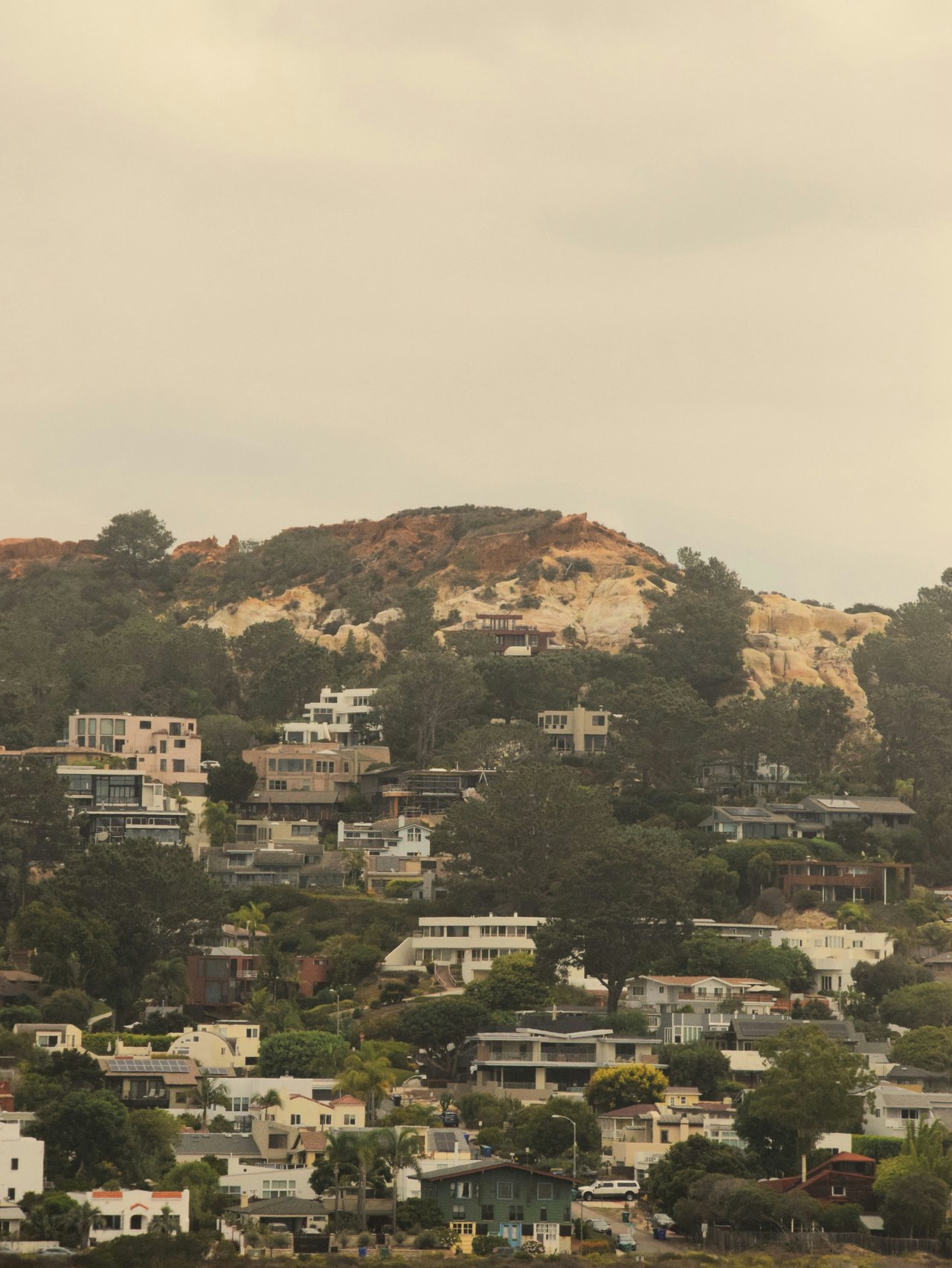
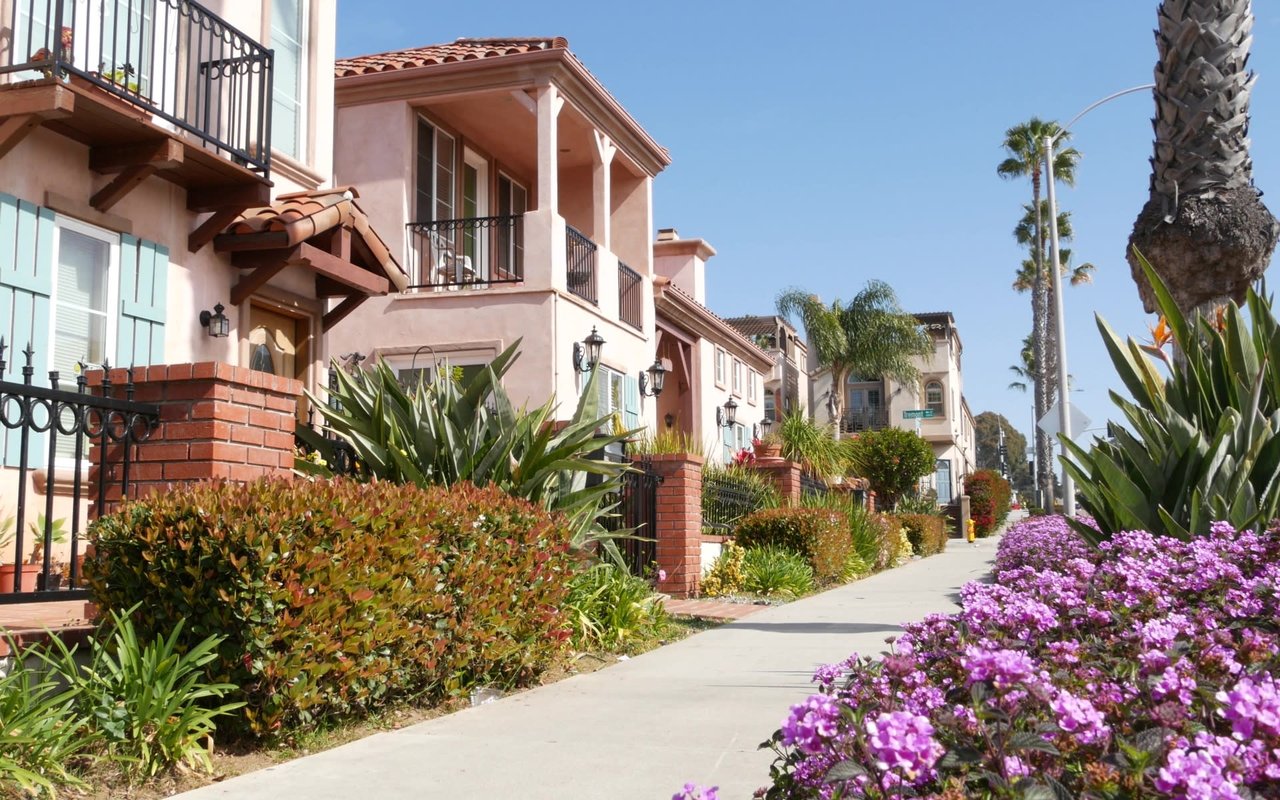
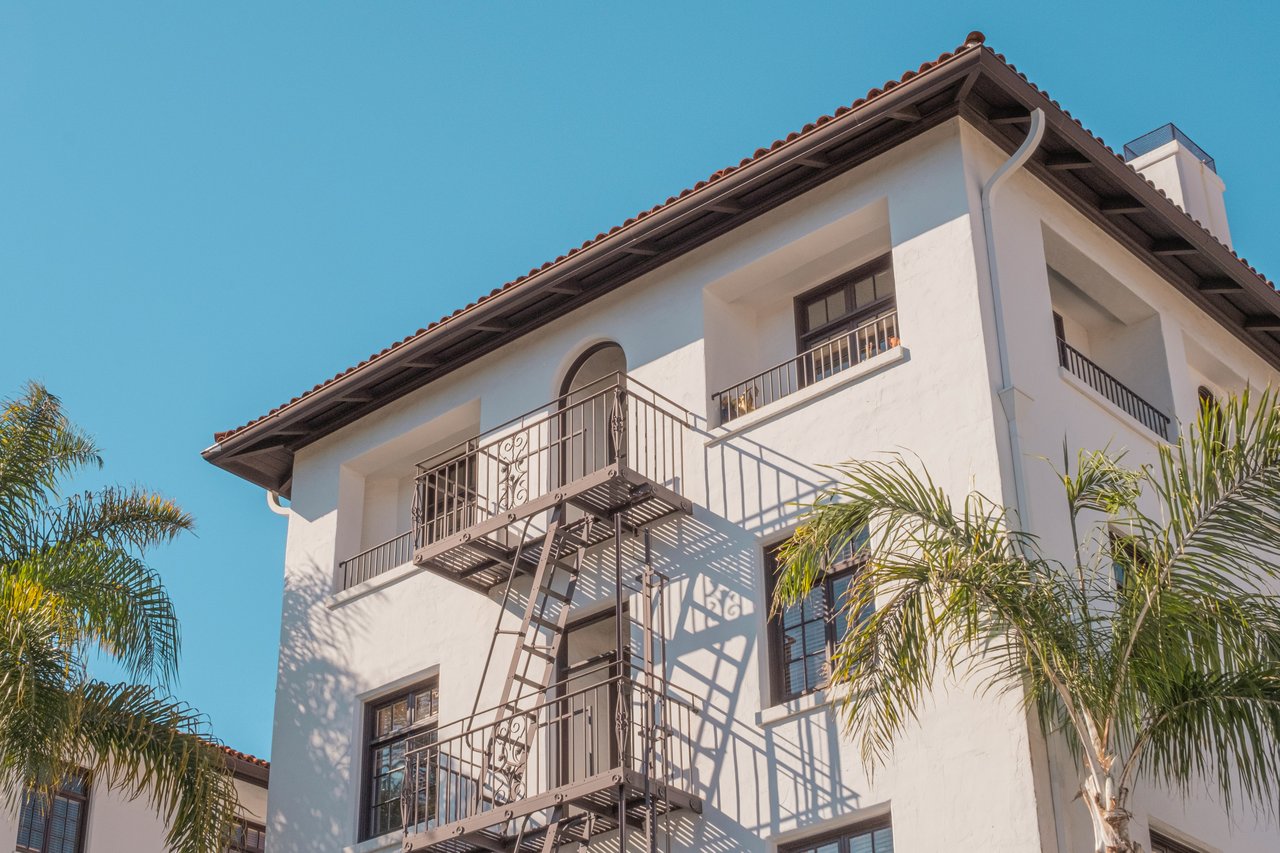
The same planning document also describes the housing stock as generally low-profile. In practical terms, that helps explain why many streets feel more residential and less intense than you might expect from a well-known beach area. Pacific Beach is not defined by clusters of high-rise towers or massive master-planned projects.
Where Calm Is Most Likely in Pacific Beach
If your goal is to stay close to the coast while avoiding the busiest stretch of beach activity, your search map matters.
In general, a calmer Pacific Beach lifestyle is most plausible when you look beyond Mission Boulevard and the shoreline blocks with the heaviest visitor traffic. The best candidates are often:
- Bayside areas near Mission Bay
- Inland residential streets set away from the main commercial corridors
- Hillside-edge locations that feel a bit more tucked away
This is not an official zoning label. It is a practical way to think about the neighborhood based on the local park system, topography, and street patterns described in city planning resources.
Bayside Living Offers a Different Pace
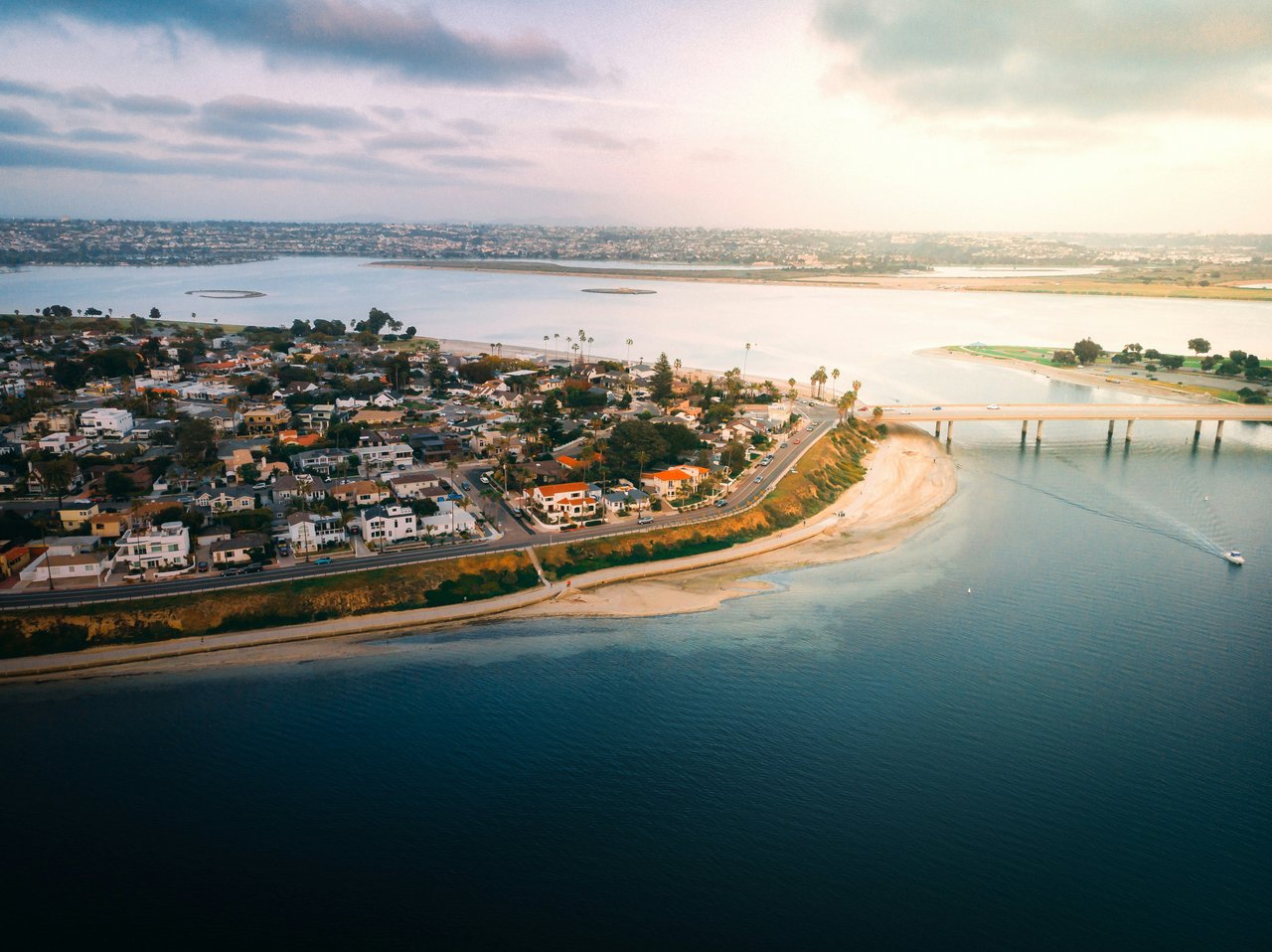
The bay side of Pacific Beach often appeals to buyers who want outdoor access without the same level of beach-front activity. Mission Bay Park is a 4,235-acre aquatic park with 27 miles of shoreline, 19 sandy beaches, boat docks, launch facilities, sailboat and motor rentals, and bike and walking paths.
That creates a different lifestyle feel. Instead of centering daily life around the busiest beach blocks, you may find yourself closer to walking paths, shoreline recreation, and open-space views. For many buyers, that mix supports a more relaxed version of coastal living.
Residential Streets Feel More Grounded
Pacific Beach has a few streets and corridors that shape the neighborhood’s energy more than others. City mobility planning identifies Garnet Avenue as the main commercial corridor and Grand Avenue as the main automobile route from Interstate 5 to the beach. Both corridors also see meaningful pedestrian activity and bus ridership, according to the city’s focus area planning materials.
That makes these corridors useful reference points during a home search. If you want a more residential feel, homes farther from Garnet, Grand, and Mission Boulevard may offer a quieter day-to-day setting. You still get access to what makes Pacific Beach convenient, but without feeling as tied to the highest-traffic areas.
Everyday Living Is Built In
One of the biggest misconceptions about Pacific Beach is that it only works as a weekend or second-home destination. In reality, the neighborhood includes everyday amenities that support full-time living.
The Pacific Beach/Taylor Library is within walking distance of the beach and is served by MTS routes 30, 8/9, and 27. The Pacific Beach Recreation Center is another local anchor with similar transit access. These are the kinds of places that make a neighborhood feel lived-in, not just visited.
The park network adds to that sense of balance. In addition to Mission Bay, city listings for the area include Palisades Park North and South, Kate Sessions, Tourmaline, and Pacific Beach Park. Together, these spaces give you options for outdoor time that go beyond the busiest beachfront scene.
Getting Around Without Feeling Stuck
If you are wondering whether Pacific Beach works without relying on your car for every trip, the answer is often yes, depending on where you live. Current MTS service includes routes 8, 9, 27, and 30 serving Pacific Beach. For example, Route 8 runs from Old Town Transit Center to Balboa Avenue Transit Center via Mission Beach, and Route 30 connects Old Town Transit Center with UTC Transit Center via Pacific Beach, La Jolla, and UC San Diego.
MTS also promotes beach service as a way to avoid crowded beach and bay parking. That is especially relevant in Pacific Beach, where convenience can shift a lot depending on the season and your distance from the shoreline. For some buyers, proximity to transit and key corridors can make the area more practical than expected.
The Main Tradeoff to Understand
Pacific Beach can absolutely offer calmer pockets, but it is still a major coastal destination. That means there is no version of PB that is fully separate from its popularity.
The tradeoff is straightforward. Living near the coast here can mean easier beach access, strong outdoor amenities, and a fun neighborhood identity, but it can also mean summer crowds, more pedestrian activity, and heavier traffic near the shoreline and main corridors. The City Council community page for Pacific Beach reflects that active, high-demand coastal setting.
If you are clear on your priorities, this tradeoff becomes easier to manage. Some buyers care most about being able to walk to the sand. Others would rather be a little farther inland and enjoy a more residential rhythm while keeping the coast close.
How to Search Pacific Beach Strategically
If you are trying to find the calmer side of Pacific Beach, it helps to search with lifestyle filters, not just price and bedroom count.
Here are a few smart questions to guide your search:
- How close do you want to be to the beach core versus the bay side?
- Would you prefer access to parks and paths over immediate access to the boardwalk?
- How important is transit access for daily convenience?
- Are you comfortable with seasonal activity, or do you want more separation from visitor-heavy streets?
- Do you want an established residential block rather than a location near the busiest commercial routes?
These questions can quickly narrow the field. In a neighborhood as layered as Pacific Beach, two homes that are only a short distance apart can offer very different living experiences.
Why Local Guidance Matters in PB
Pacific Beach is easy to oversimplify from the outside. People often picture one thing: surf, crowds, and nonstop beach energy. But once you look block by block, the neighborhood becomes much more nuanced.
That is where local insight matters. If you are weighing a luxury condo, coastal townhome, or single-family home in Pacific Beach, you want more than a map search. You want to understand how street placement, nearby corridors, transit access, and park proximity can shape your daily routine.
If you are considering a move to Pacific Beach and want help finding the right fit, Ryan & Tracie offer boutique, hands-on guidance across San Diego’s coastal communities, with the local perspective to help you balance lifestyle, location, and long-term value.
FAQs
Is Pacific Beach in San Diego only for vacation-style living?
- No. The City of San Diego describes Pacific Beach as primarily residential, with amenities like parks, a library, a recreation center, and transit connections that support full-time living.
Where are the calmer areas of Pacific Beach most likely to be?
- In general, calmer-feeling areas are more likely to be on the bay side, on inland residential streets, or along the hillside edge away from the busiest shoreline blocks and major corridors.
What are the busiest streets in Pacific Beach to know about?
- Garnet Avenue is identified by the city as the main commercial corridor, and Grand Avenue is the main automobile route from Interstate 5 to the beach. Mission Boulevard is also closely tied to the busiest beach activity.
Is Pacific Beach practical if you do not want to drive everywhere?
- Often yes. Pacific Beach is served by MTS routes 8, 9, 27, and 30, and transit can be especially useful for avoiding crowded beach and bay parking.
What is the main tradeoff of living in Pacific Beach, San Diego?
- The main tradeoff is that easy coastal access comes with more activity in certain areas, especially near the beach core, commercial corridors, and during the summer season.