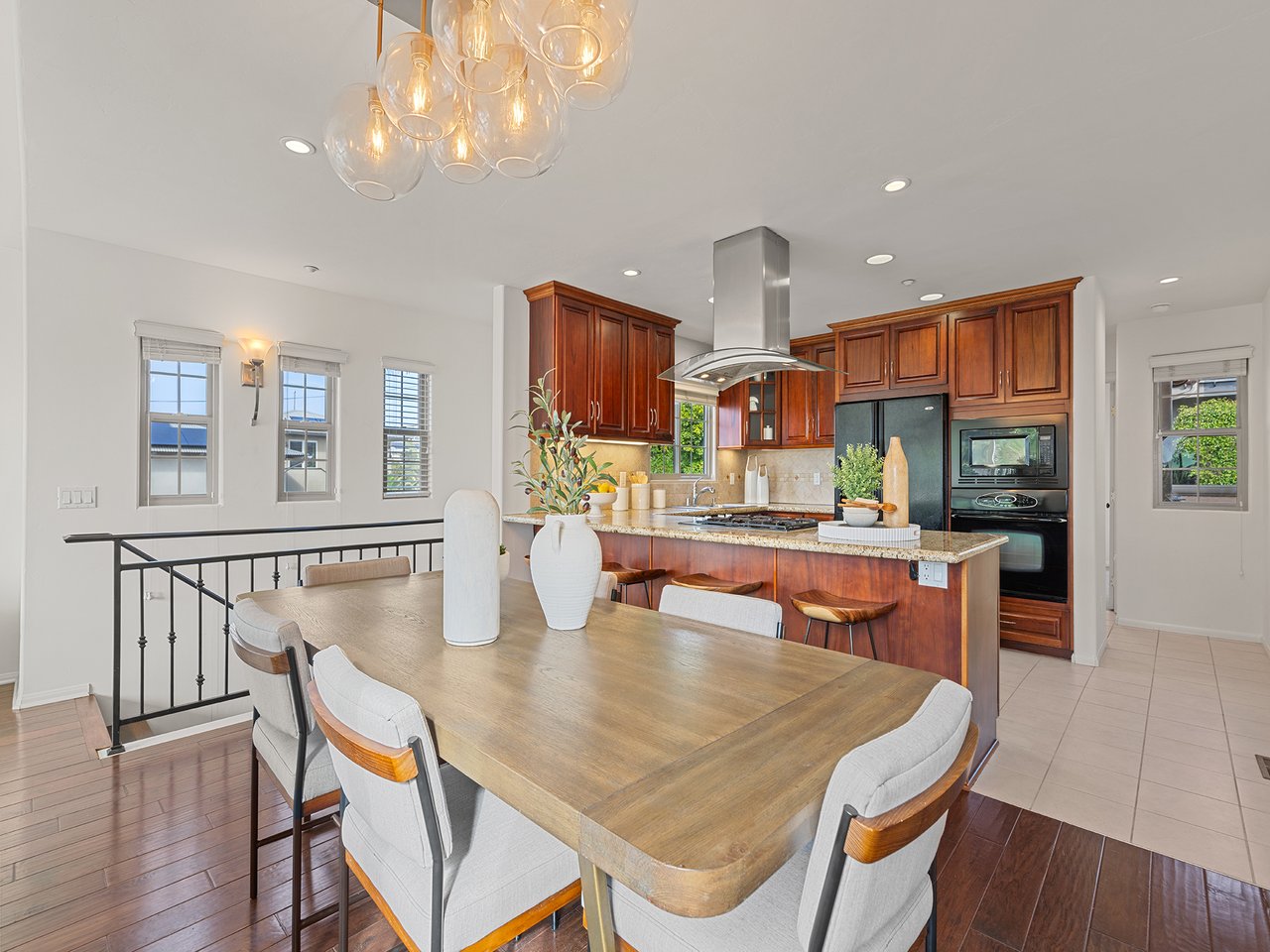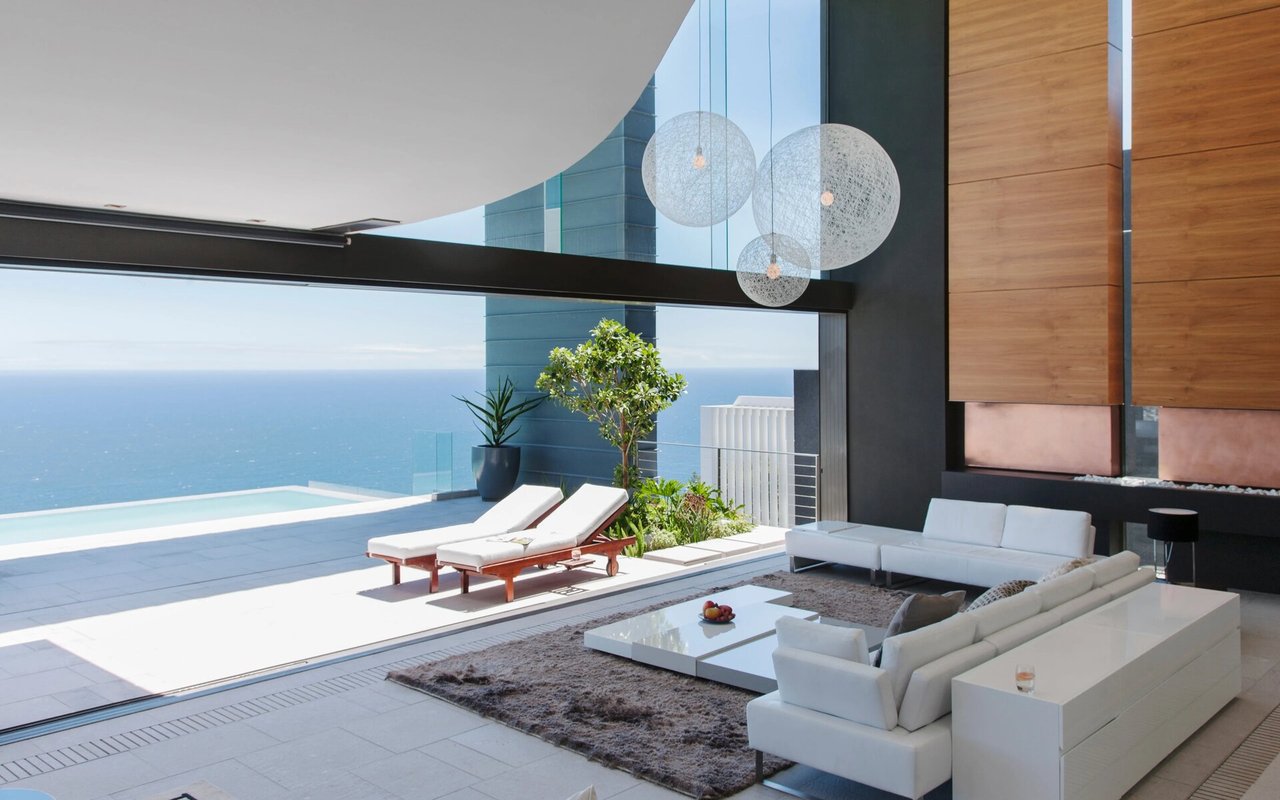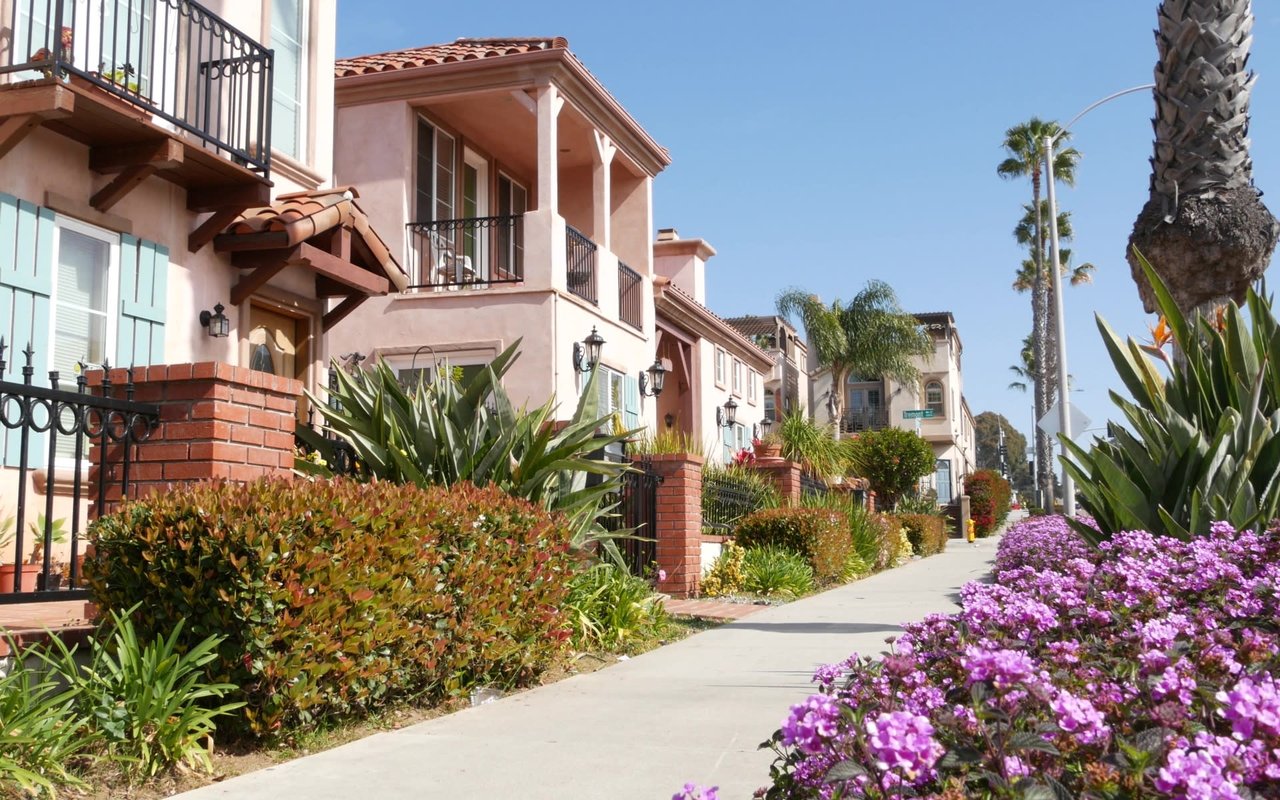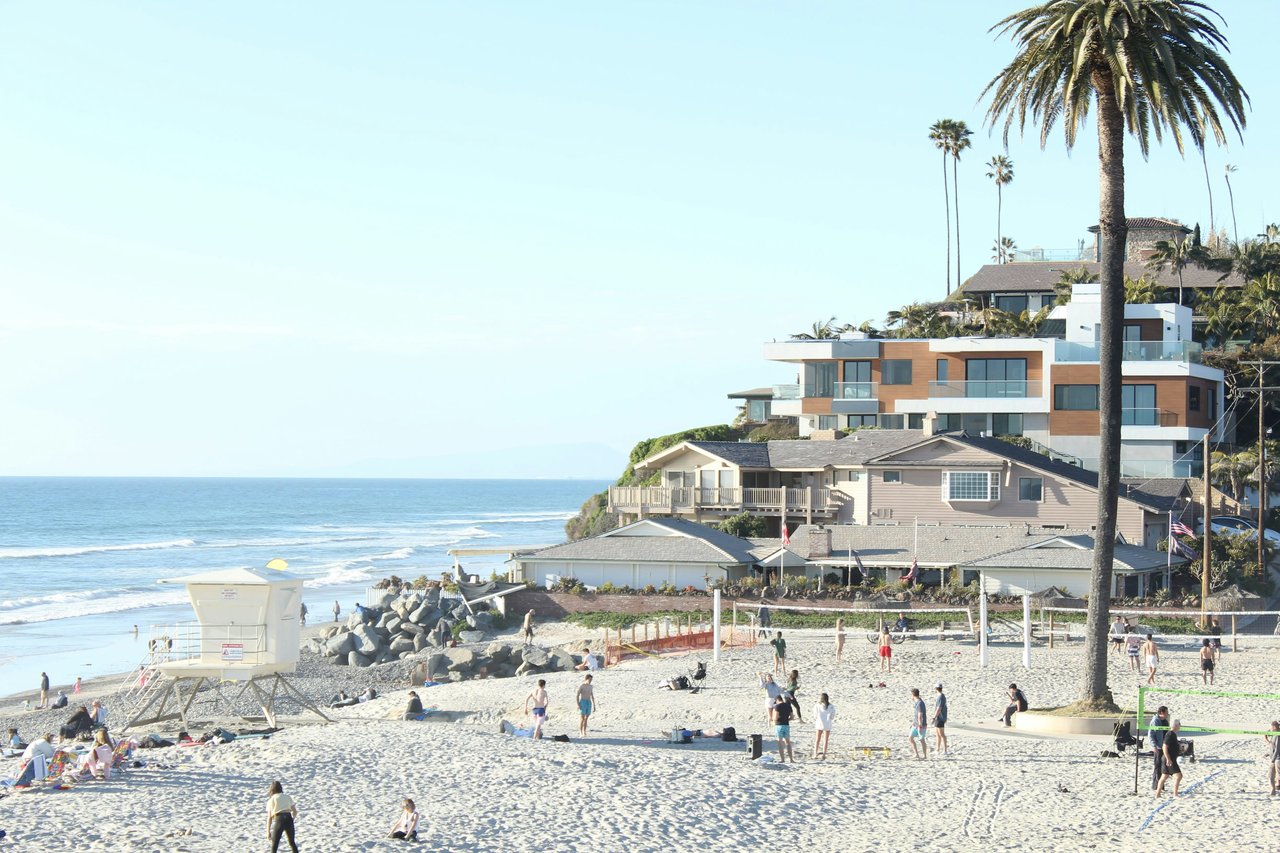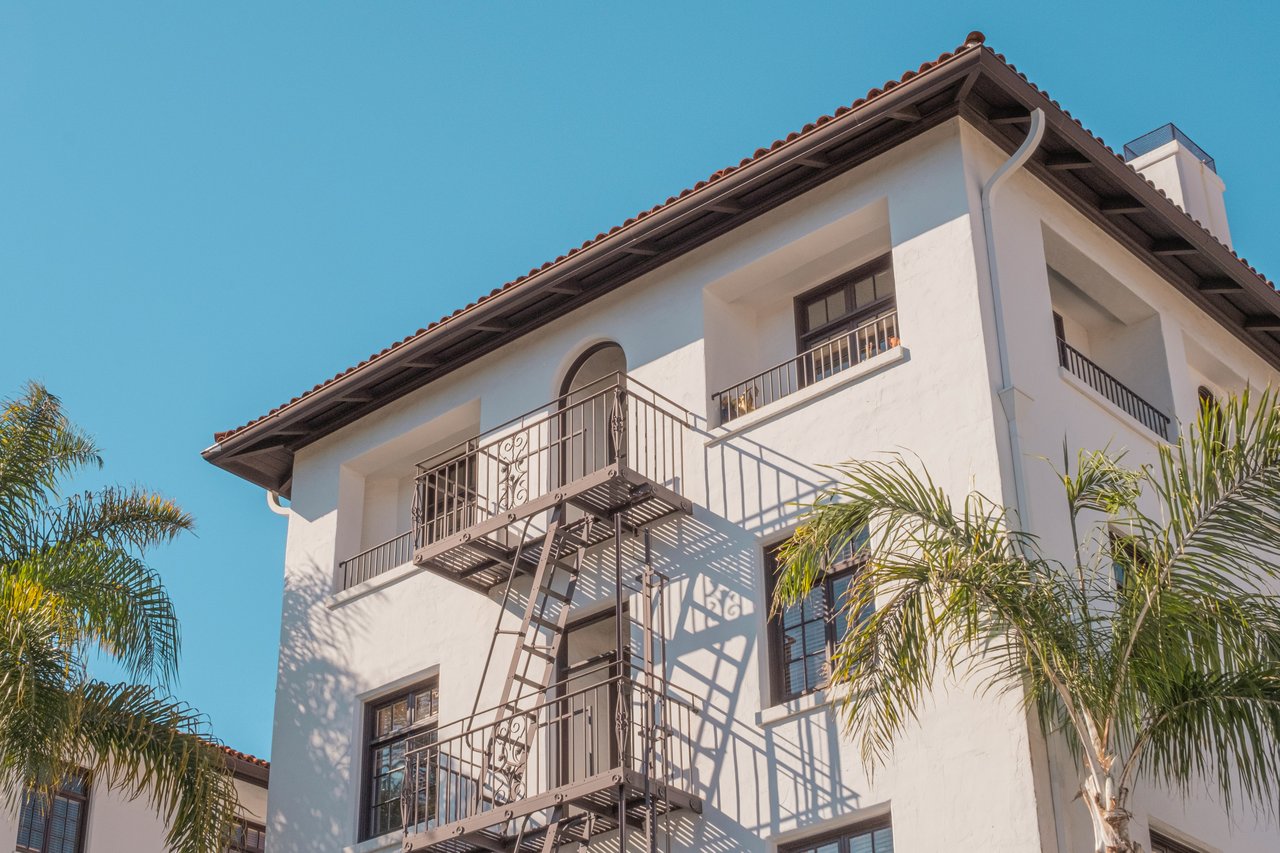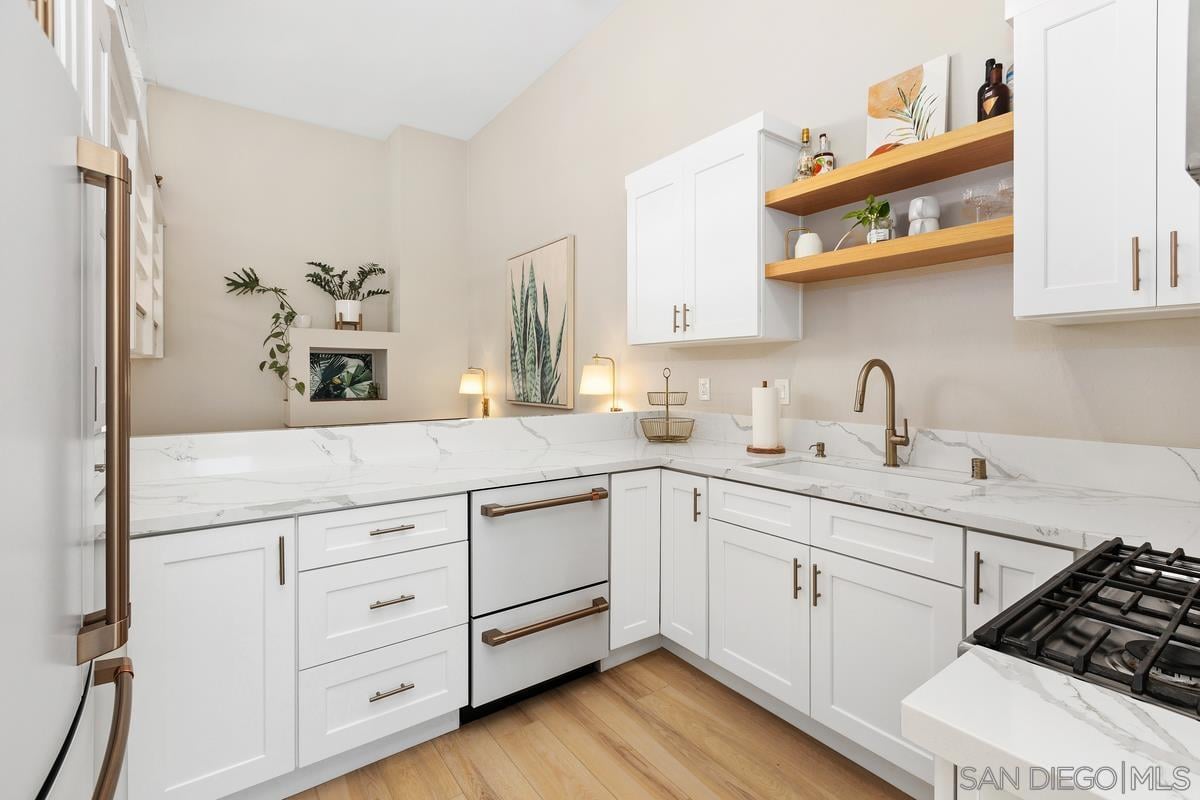
Picture the listing. Two bedrooms, six blocks off Garnet Avenue, a corner unit with real light, and a line in the description that catches your eye: existing STR license, strong rental history, turnkey for a new owner. It reads like a business you can step into on day one. The photos show a rental calendar filled with five-star reviews stretching back years. The pro forma practically writes your offer for you.
Here is the part that pro forma leaves out. In San Diego, that license does not come with the condo. It stays with the seller. When you close, you are buying a home with a rental history. You are not buying the right to continue it.
That single fact changes how a buyer should read every STR-marketed listing in Pacific Beach right now, and the mechanics behind it are worth understanding before you write an offer, not after.
What actually happens at closing
San Diego's Short-Term Residential Occupancy program, in effect since May 1, 2023, requires a city-issued license for any stay under 30 nights. The city's own program page is direct about what happens when a licensed property changes hands: the license is not transferrable from host to host or from one address to another. If the seller is no longer the operator, they cancel the license, and the new owner starts a fresh application from zero, same as anyone else who has never held one.
That means a buyer inherits the unit, the HOA dues, the parking spot, and the rental history as a marketing fact. The buyer does not inherit the legal right to book a guest for next Friday.
For a primary-residence buyer who wants an occasional guest room, this barely registers. For the investor or second-home buyer who is underwriting the purchase on the assumption that the Airbnb income continues uninterrupted, it is the single most consequential fact in the transaction.
The math behind the scarcity
The reason this matters more in 2026 than it did two years ago comes down to a hard cap most buyers have never heard of. San Diego's citywide whole-home license, Tier 3, is limited to roughly 1 percent of the city's housing stock, a pool of about 5,400 licenses total. That pool has been shrinking on a visible clock. Independent tracking in early 2026 put the remaining count near 964. By April 10, 2026, it had fallen to about 880. That is a drop of roughly 80 licenses in a few months, in a program with no mechanism to add new supply.
Mission Beach shows what the end state looks like. Its Tier 4 license, capped at 30 percent of the neighborhood's roughly 1,080 to 1,100 dwelling units, is fully issued. The city reopened the Tier 4 waitlist for a short window from July 1 through August 15, 2025, then closed it again once that application period ended. It has stayed closed through 2026, with no announced date to reopen and no path in besides waiting for an existing holder to let a license lapse or lose it to a violation.
| Tier | Who it covers | Cap | Status |
|---|---|---|---|
| Tier 1 | Part-time home-sharing, up to 20 nights/year | None | Open |
| Tier 2 | Primary residence, host lives on site | None | Open |
| Tier 3 | Whole-home, non-primary (most PB investment buyers) | 1% of citywide housing stock | Nearly exhausted |
| Tier 4 | Mission Beach whole-home only | 30% of neighborhood units | Fully issued, waitlist closed |
Pacific Beach investment buyers almost always need Tier 3. Mission Beach is the neighborhood next door showing what happens once that pool runs dry.
Why 92109 feels this first
The city's open data on active licenses shows ZIP code 92109, which covers Pacific Beach and Mission Beach together, accounts for roughly 30 percent of every active STRO license issued in San Diego. It is by far the most saturated ZIP code in the program. La Jolla's 92037 is the next closest, well behind. Tier 3 licenses alone make up nearly 56 percent of all active licenses citywide.
That concentration is exactly why the cap bites hardest here first. A citywide pool of 880 remaining licenses sounds like breathing room until you remember that roughly a third of all existing licenses already sit in this one ZIP code. The properties most likely to be marketed with STR income in their listing description are competing for the smallest remaining slice of an already-thin pool.
The enforcement shift that closes the workaround
Until this year, an unlicensed listing could often operate for a while before anyone noticed. That changed on January 1, 2026, when California's SB 346 took effect, requiring platforms like Airbnb and VRBO to share host identity, address, and booking data directly with the city. San Diego's Building and Land Use Enforcement team can now cross-reference every active listing against its own license database instead of relying on neighbor complaints. Fines for operating without a valid license run up to $1,000 per day.
For a buyer, this matters beyond compliance. It means the informal option some sellers used to lean on, operating quietly while a license application sat in process, no longer holds. A seller's income history built on a gray-area workaround is not something a buyer can quietly continue either.
What to verify before you write the offer
A listing that advertises STR income is not lying to you. The income happened. The question is whether it can happen again under your ownership. Before an offer goes in on any Pacific Beach condo marketed this way, confirm:
- Whether the current STRO license is Tier 3 or Tier 4, and whether the property is inside or outside the Mission Beach Community Planning Area boundary that determines which one applies
- The city's most recently published remaining license count for that tier, since the cap moves in one direction only
- Whether the building's HOA CC&Rs independently restrict or prohibit short-term rentals, since California law allows common-interest developments to ban stays under 30 days regardless of what the city permits
- Whether the unit includes any accessory dwelling space built after 2017, since ADUs added under the post-2017 rules are not eligible for STR licensing at all
- Whether a 31-night-or-longer rental structure, which falls outside STRO entirely and requires no license, could serve as a fallback income model if a new license is not available
None of this means Pacific Beach is a bad place to buy an investment condo. It means the investment case has to be built on what you can legally operate, not on what the seller happened to be doing.
A few questions worth asking directly
If the seller's license is active on closing day, can I just keep using it? No. The city requires the seller to cancel it once they are no longer the operating host, and the license does not attach to the deed. You would be operating illegally the moment you accepted a booking under someone else's license.
Is there any way to buy a property specifically because it has a Tier 3 license? Not directly. The license itself cannot be sold, transferred, or held for you by the seller. What you are actually paying for in that scenario is the property's location and condition, plus the seller's word that a similar application might succeed for you too. It might. It also might not, given how few licenses remain.
What if the HOA allows short-term rentals but the city's cap is full? Then you cannot legally operate a short-term rental there under Tier 3 until a license opens up through attrition. A mid-term rental of 31 nights or longer stays fully legal in that same building and avoids the STRO system altogether, which is worth modeling as your baseline case rather than your backup plan.
Pacific Beach condos still make sense for a lot of buyers this year, lifestyle-first owners, relocators, and investors alike. The difference in 2026 is that the license has quietly become the scarcer asset, more contested than the unit itself in some buildings, and it behaves nothing like the deed. Know which one you are actually buying before you compete for it.
If you are weighing a Pacific Beach investment condo against other coastal options, or you want a straight read on what a specific address can and cannot legally operate before you write an offer, Ryan & Tracie can walk through the licensing math with you first. Schedule a private consultation and get the answer before it costs you an offer.