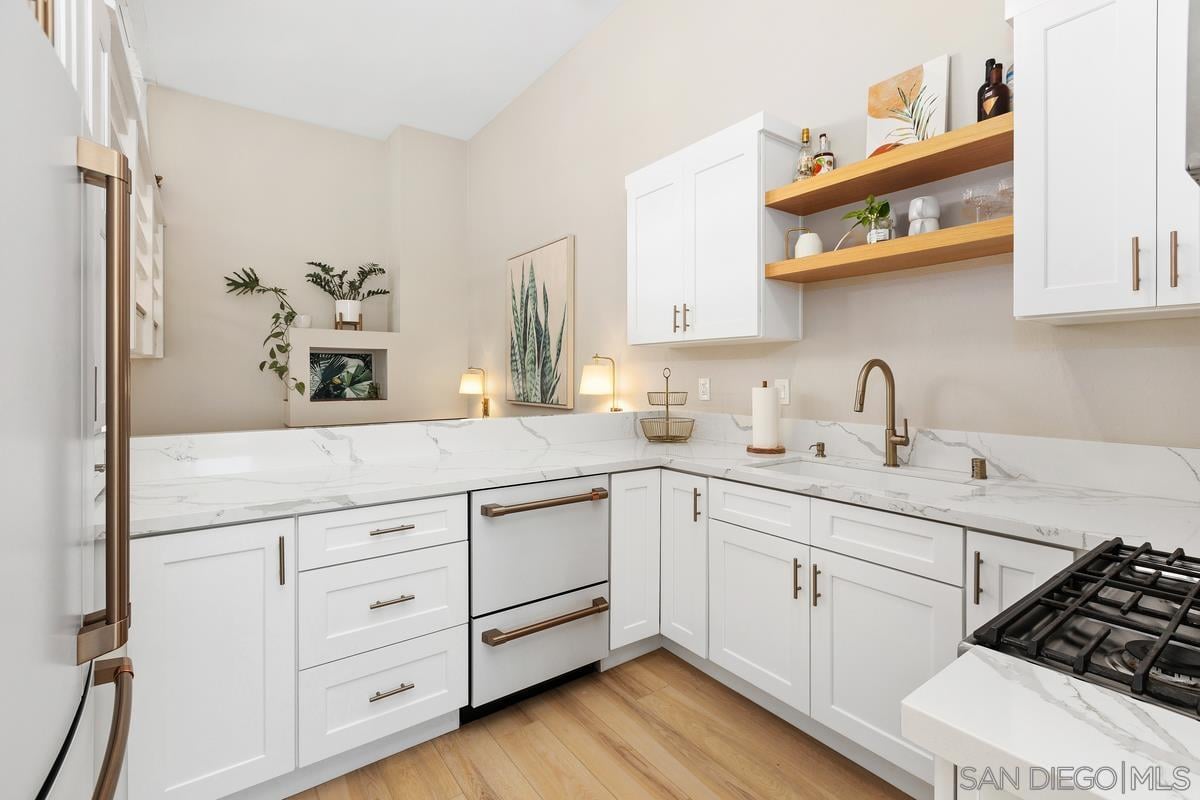
Torn between a low‑maintenance condo and a private single‑family home in Del Mar? You are not alone. With luxury pricing and coastal factors at play, the right choice depends on how you want to live, your monthly budget, and your risk comfort. In this guide, you will learn the key tradeoffs, what to expect with HOAs, how financing works in a high‑cost area, and which local rules could affect your plans. Let’s dive in.
Quick take: top tradeoffs
Del Mar is a luxury, low‑inventory market. In January 2026, the reported median sale price was about $3.9 million, which shapes financing and competition for buyers at every level. You can review the latest figures on the Del Mar housing market snapshot. Zillow’s index shows a typical home value near $3.49 million through January 31, 2026, reflecting the city’s premium pricing; see the Del Mar home value index.
At a high level, your choice comes down to three things:
- Maintenance and carrying cost: Condos shift more upkeep into HOA dues. Homes put you in charge of everything but may avoid monthly HOA fees.
- Space and privacy: Homes tend to offer yards and more separation. Condos trade space for convenience and amenities.
- Risk and rules: Condo buyers must evaluate HOA finances, inspections, and project eligibility for loans. Coastal single‑family buyers must weigh bluff, flood, and insurance risks.
What a Del Mar condo feels like
Lifestyle and amenities
Condo living in Del Mar favors convenience. Many communities offer features like pools, landscaped grounds, secured parking, and building maintenance. You focus on interiors while the association manages exteriors and common spaces. This can be ideal if you split time between homes or prefer lock‑and‑leave ease.
Dues and what they cover
HOA dues vary widely by project and amenities. Recent listings in Del Mar show example dues from about $330 to $600 per month, with some oceanfront or high‑amenity buildings well above $1,000. One example illustrates the range you might see in the market: a Del Mar condo listing with published dues. Always confirm the exact inclusions in the HOA packet, since some dues include water, trash, or parts of insurance, and others do not.
What to expect in the HOA packet
California’s Davis–Stirling Act requires robust resale disclosures for condo buyers. You should receive governing documents, budgets, reserve information, insurance summaries, delinquency data, meeting minutes, and more. Use a detailed checklist like this HOA resale disclosure overview to confirm you have everything.
Safety inspections and repair planning
Many California condo buildings must complete periodic inspections of decks and balconies. Ask for the most recent SB 326 exterior elevated‑elements report and any follow‑up actions, which are required to appear in resale disclosures under newer state rules. You can learn the basics from this SB 326 inspection summary.
Financing and project eligibility
Condo financing often depends on the building’s eligibility with Fannie Mae or Freddie Mac. Your lender will check the project in Fannie Mae’s Condo Project Manager. High rental ratios, low reserves, litigation, or pending large repairs can limit conventional options, which can affect rates, down payment, or even the pool of future buyers when you sell.
What a Del Mar single‑family home feels like
Space, privacy, and control
A detached home typically brings more indoor and outdoor space, private yards, and room for pets or gardens. You control improvements and style, which is appealing if you plan to customize. You also carry full responsibility for exterior upkeep, landscaping, and major systems.
Coastal context and maintenance
Oceanfront and bluff‑area properties face unique conditions. Salt air can accelerate wear on exterior finishes and systems. For long‑term planning and permit context, review the City’s Sea‑Level Rise and Local Coastal Program materials, and consider site‑specific geotechnical reports when you evaluate a bluff‑top property.
Flood mapping and insurance
If any structure touches a Special Flood Hazard Area, a lender may require flood insurance. Before you make an offer, check the address in FEMA’s Flood Map Service Center and get early quotes for homeowners and flood coverage. Insurance markets along the coast can change quickly, so confirm availability and premiums early.
Money checklist: what your monthly really buys
Your true carrying cost is mortgage plus taxes, insurance, and utilities. Condos add HOA dues and any special assessments.
- HOA dues vs maintenance: Condos centralize exterior maintenance, shared utilities, and amenities into a monthly fee. Homes shift those line items to your own budget. Ask for a dues breakdown and the latest reserve study to understand future risks.
- Property taxes: In California, baseline taxes are roughly 1% of assessed value plus voter‑approved assessments. Confirm the current effective rate for any property under consideration.
- Insurance: For condos, review the HOA’s master policy to see what it covers and where you need an HO‑6 policy for interiors and personal property. For single‑family homes, get quotes for homeowners, and if applicable, flood. Coastal homes can see higher premiums, so plan early.
- Loan type and limits: The 2026 conforming loan limit is $832,750 for a one‑unit home, with a high‑cost ceiling around $1,249,125. Given Del Mar’s pricing, many buyers will use high‑balance or jumbo financing, which affects rates and underwriting. See the latest limits from the FHFA.
Pro tip: Two homes can have similar total monthly costs while hiding very different risk. A condo with low dues but thin reserves may face a future assessment. A single‑family home with no HOA may need a new roof sooner than you expect. Budget a maintenance reserve either way.
Legal and resale checklist for condos
The right documents help you avoid surprises. Request these items at the start of escrow and review them with your agent and, if needed, an attorney.
- Full HOA resale packet with CC&Rs, bylaws, budgets, reserve study and balance, insurance declarations, 12 months of minutes, delinquency report, and any pending assessments. See a detailed reference for required items in this California HOA overview.
- Most recent SB 326 exterior elevated‑elements report and any follow‑up repair plans. Review timelines and cost sharing. Learn the basics from this SB 326 guide.
- Project eligibility and owner‑occupancy ratio. Ask your lender to check Fannie Mae’s Condo Project Manager for warrantability.
- Litigation, code issues, or major capital projects. These can limit financing and increase risk of assessments.
Short‑term rentals in Del Mar
Del Mar’s short‑term rental ordinance caps total permits and requires registration. Some properties are grandfathered, but new permits are limited and may require owner occupancy. If rental income is part of your plan, confirm a unit’s status on the City’s Short‑Term Rentals program page before you write an offer.
Resale and liquidity factors
Condos: Liquidity often depends on the health and reputation of the project. Strong reserves, clear inspection history, and solid owner‑occupancy can help preserve a broad buyer pool and unlock conventional financing. Weak reserves, litigation, or many rentals can shrink your future audience.
Single‑family homes: Scarcity supports long‑term demand in prime coastal pockets, especially with views. That said, evolving coastal policies and bluff management can affect future costs and resale timelines. Review the City’s Local Coastal Program and sea‑level resources and get professional guidance on site‑specific risks.
Decision framework: questions to clarify your fit
- How much time do you want to spend on maintenance each month?
- Do you need a private yard for pets, hobbies, or hosting?
- Are building amenities and lock‑and‑leave living more important than space?
- Could an HOA special assessment or insurance deductible meaningfully affect your budget?
- Will you seek rental income, and do local rules allow it for your target property?
- If financing, will your loan be conforming or jumbo, and how does that affect terms?
- How comfortable are you with coastal risks like flood mapping or bluff policies?
Next steps
If you lean condo, put the HOA packet and SB 326 report at the top of your checklist and confirm project eligibility with your lender on day one. If you lean single‑family, line up insurance quotes early and review FEMA maps and the City’s coastal materials. In both cases, build a clear monthly budget and keep an emergency reserve for the unexpected.
You deserve local, senior‑level guidance for a decision this important. If you want a private consult tailored to your goals, reach out to Ryan & Tracie for expert, concierge‑level representation in Del Mar and the North Coastal corridor.
FAQs
How do Del Mar condo HOA fees work and what do they cover?
- Dues vary by building and can include exterior maintenance, landscaping, amenities, and sometimes water, trash, or parts of insurance; confirm exact inclusions in the HOA packet.
What financing is common for Del Mar buyers given high prices?
- Many purchases use high‑balance or jumbo loans due to pricing; see the FHFA loan limits to understand whether your loan is conforming.
How strict are Del Mar’s short‑term rental rules for new permits?
- The City caps total STR permits and requires registration; check a property’s status on the Short‑Term Rentals program page before relying on vacation‑rental income.
How do sea‑level rise and bluff erosion affect single‑family homes?
- They influence maintenance, insurance, and future permitting; review the City’s Sea‑Level Rise and LCP resources and get site‑specific professional guidance.
What is an SB 326 balcony report and why does it matter for condos?
- It is a required inspection of exterior elevated elements; request the latest report since findings can lead to repairs or assessments; see this SB 326 overview.
How can I check whether a Del Mar property needs flood insurance?
- Look up the address on FEMA’s Flood Map Service Center; if the structure is in a Special Flood Hazard Area, a lender may require flood coverage.