If you only know Pacific Beach as a summer destination, you are missing the bigger picture. Pacific Beach is also a full-time San Diego neighborhood where people build routines, commute, shop, meet friends, and enjoy the coast in every season. If you are wondering what daily life really feels like once the vacation crowds thin out, this guide will help you understand the rhythm, tradeoffs, and neighborhood pockets that matter most. Let’s dive in.
Pacific Beach Is More Than a Beach Scene
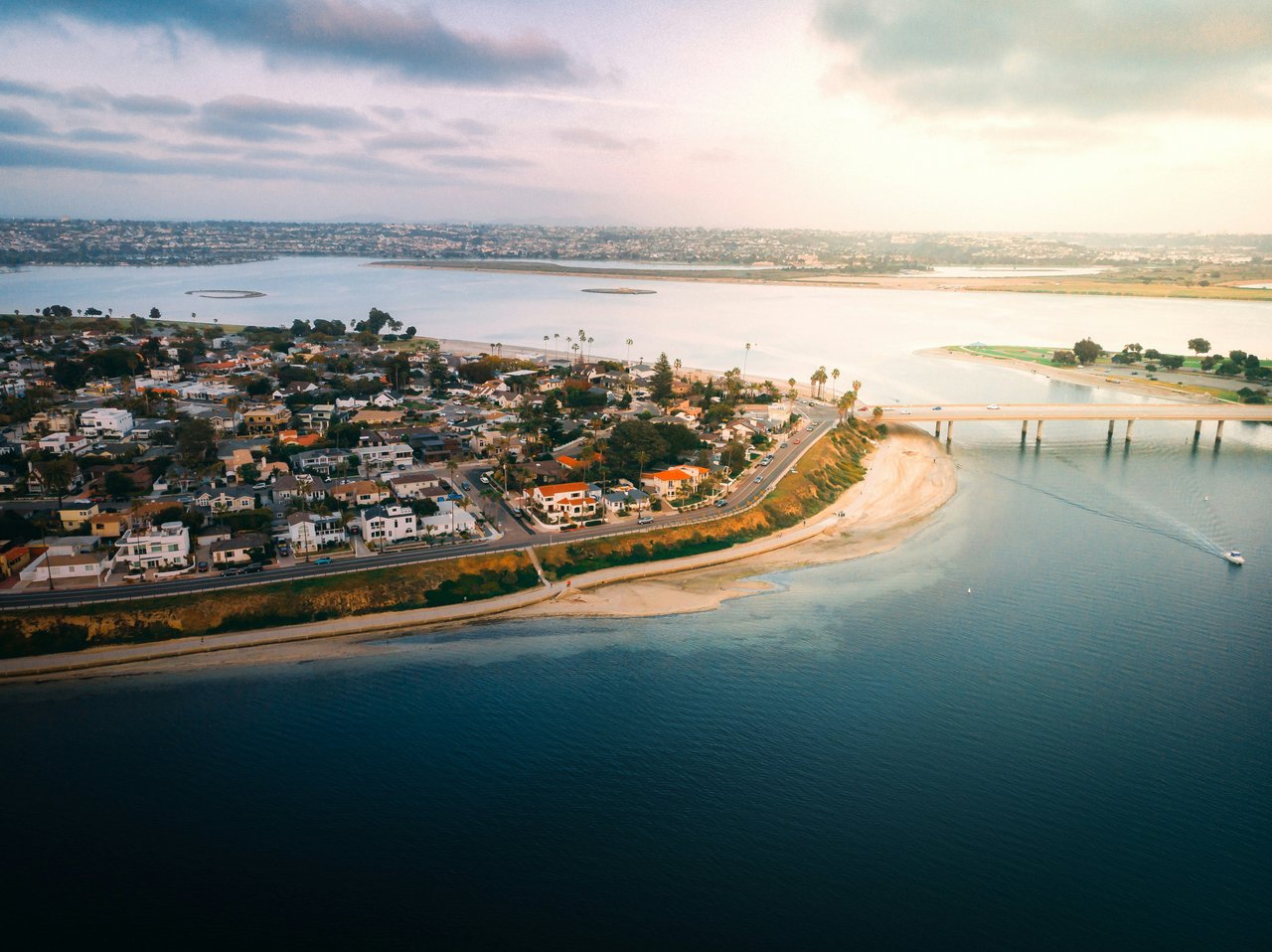
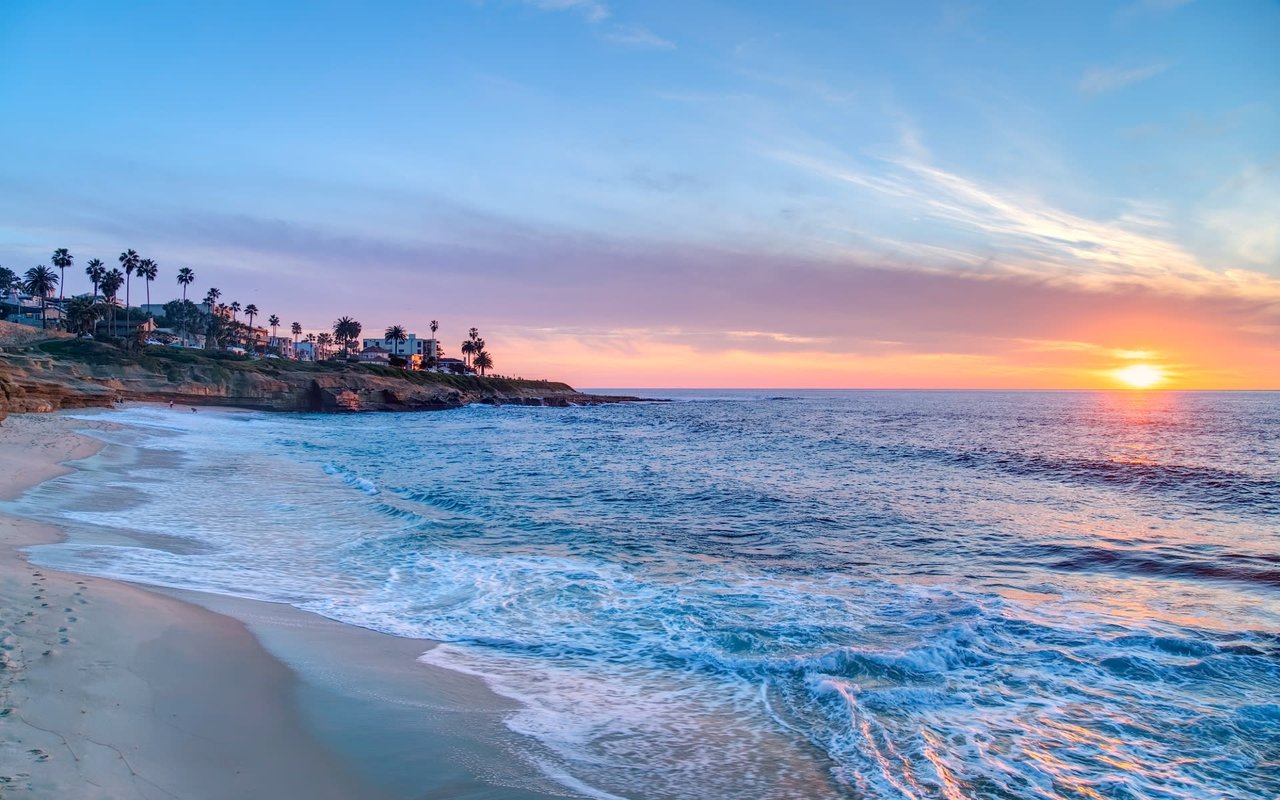
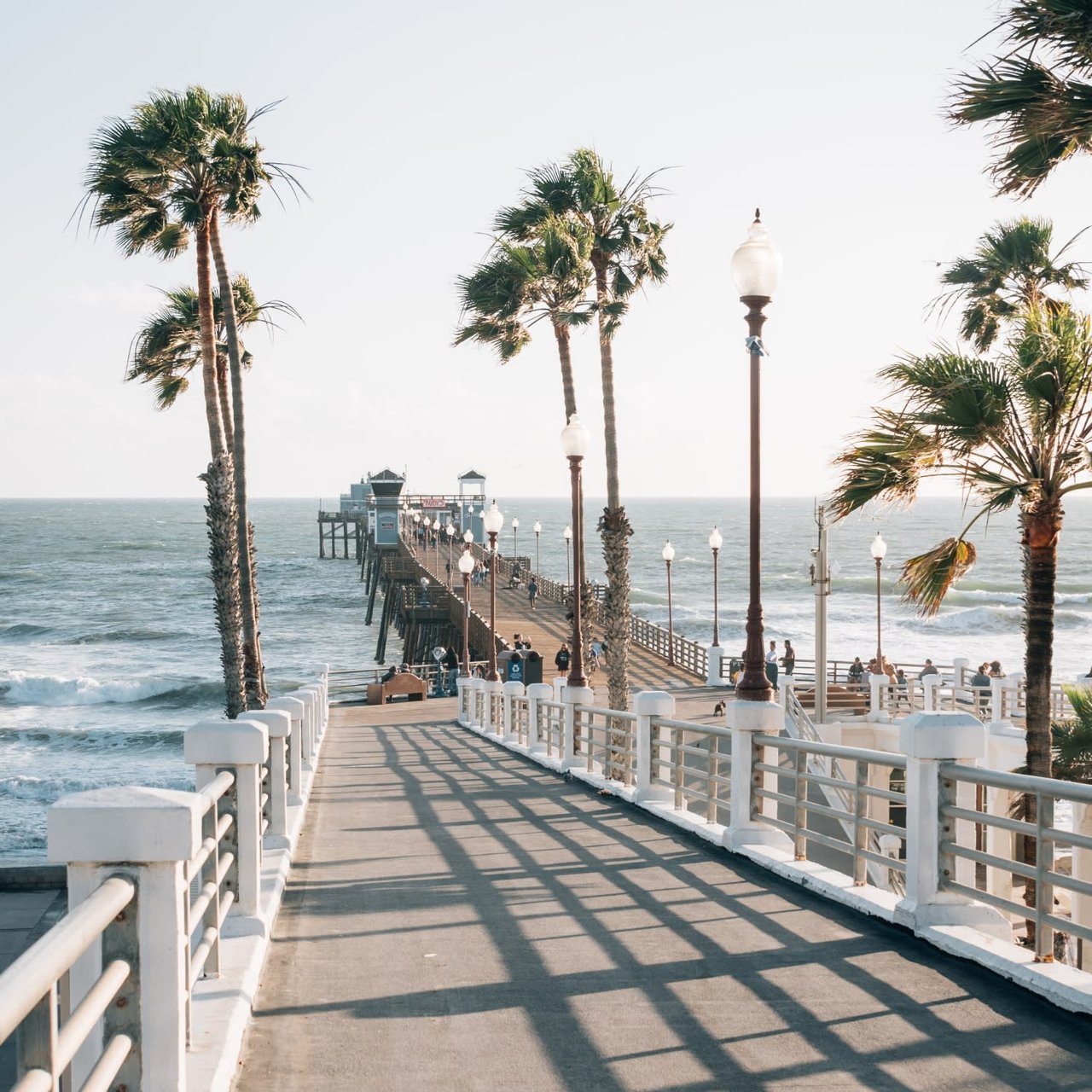
Pacific Beach has a strong identity as a coastal destination, but it is also a sizable residential community. The City of San Diego describes Pacific Beach as an eclectic and diverse neighborhood with nearly 47,000 residents, about 1,500 businesses, several hotels, and more than two miles of shoreline.
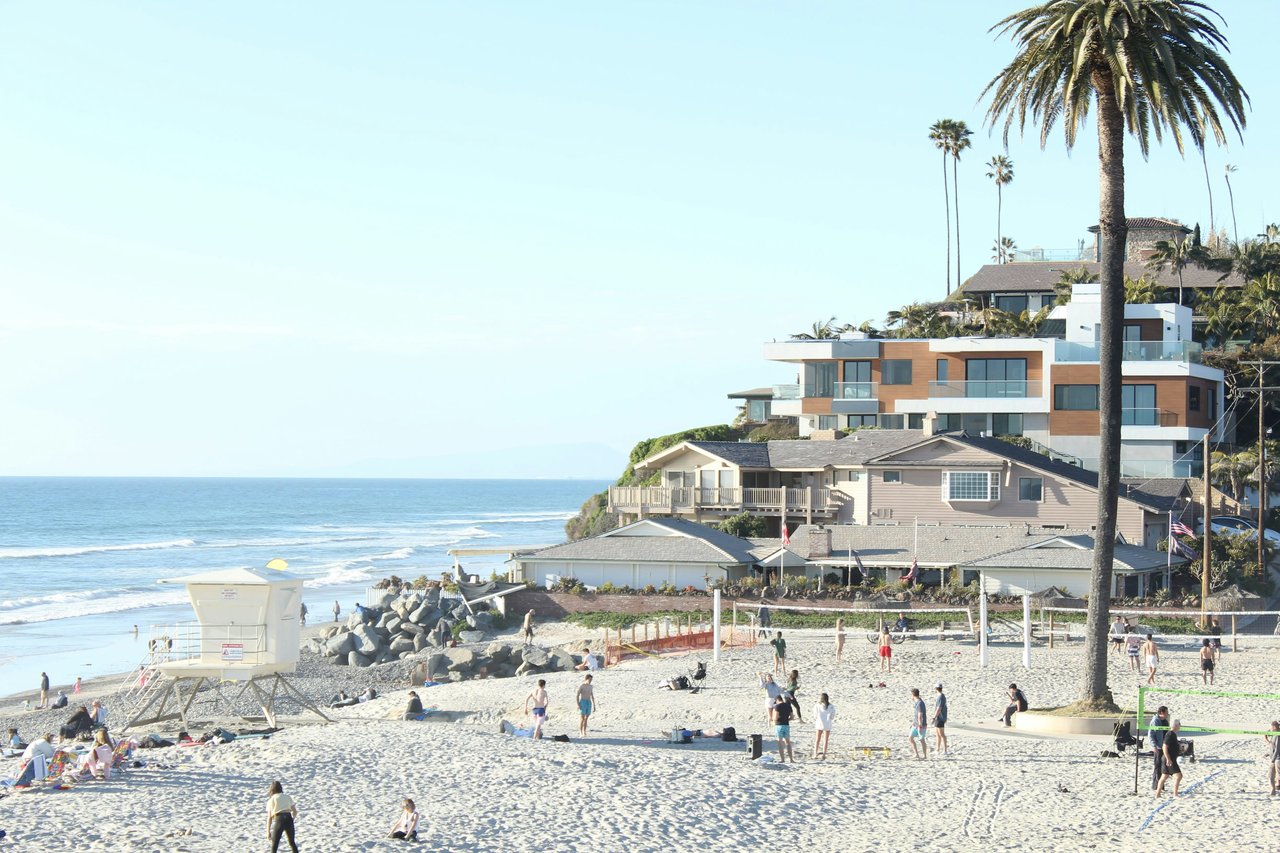
That mix shapes everyday life in an important way. You get the energy of a well-known beach area, but you also have resident-serving places that support daily routines. City-listed community anchors include the Pacific Beach/Taylor Library, the Pacific Beach Recreation Center, Kate Sessions Park, Pacific Beach Community Park, and year-round lifeguard stations.
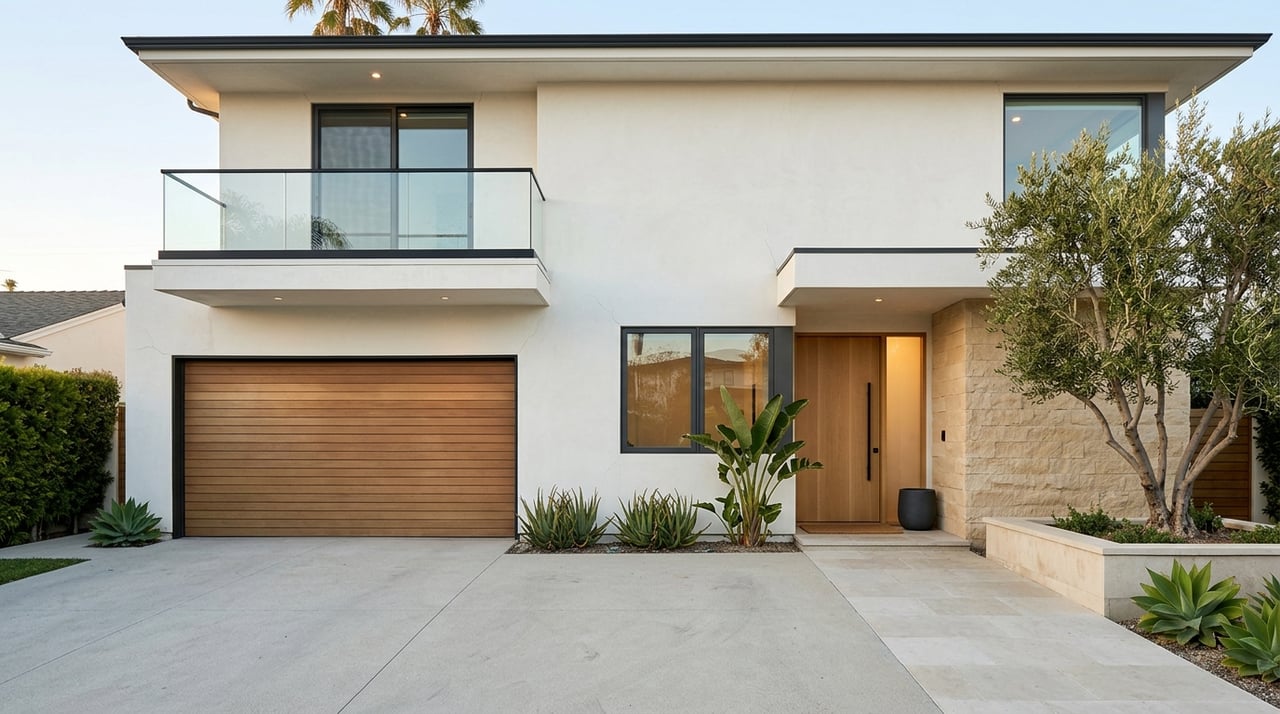
The adopted community plan also describes Pacific Beach as primarily residential. That matters if you are considering a move here, because it confirms what many full-time residents already know: PB is not just built for visitors. It functions as a real neighborhood with its own local patterns and residential pockets.
What Daily Life Feels Like Year-Round
One of the biggest reasons Pacific Beach works as a full-time place to live is the climate. A nearby NOAA station reports an annual mean temperature of 64.7°F and about 9.79 inches of annual precipitation, with summer highs generally in the mid- to upper-70s and winter highs around the mid-60s.
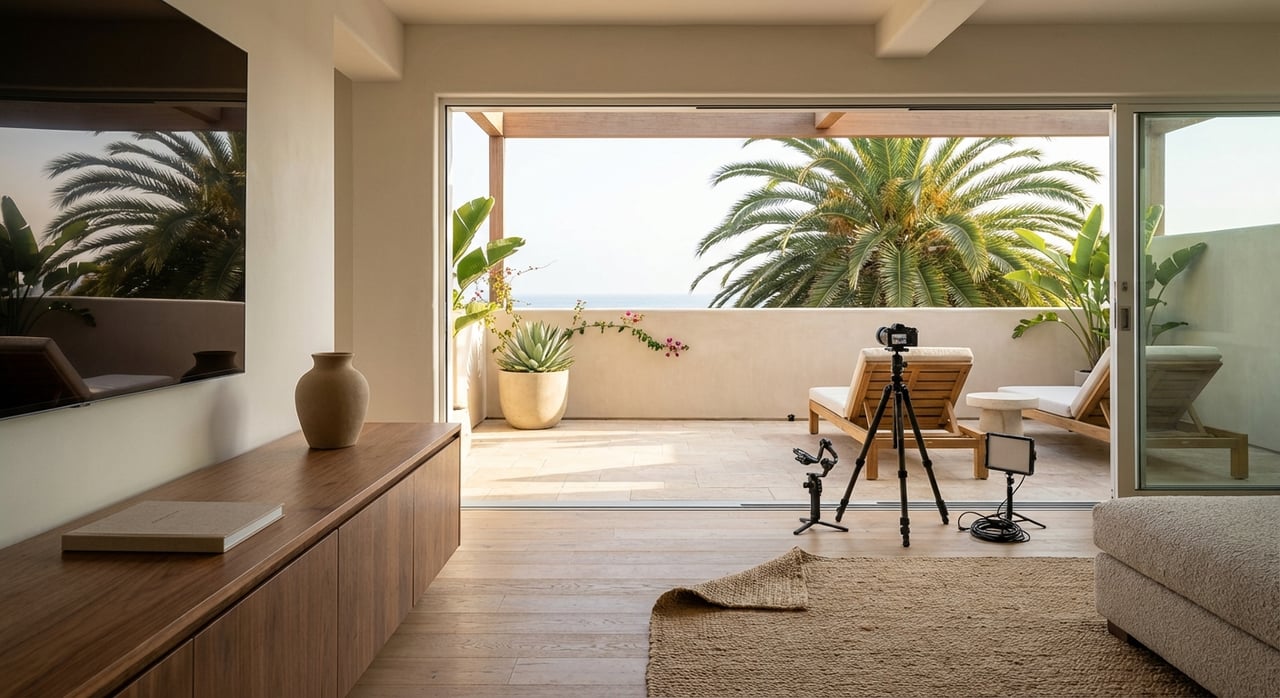
In practical terms, that means outdoor living stays part of your routine most of the year. Walks, bike rides, beach time, park visits, and casual evenings outside do not stop when the season changes. The weather supports a coastal lifestyle that feels usable rather than occasional.
The beachfront also has structure, not just activity. The City of San Diego says the Mission Beach/Pacific Beach boardwalk has an 8 mph speed limit, year-round lifeguard staffing, daytime dog restrictions, and rules against overnight camping and sleeping. Those regulations help keep the area functioning as a shared public space beyond peak tourist months.
The Seasons Still Matter
Living in Pacific Beach year-round does not mean every month feels the same. Summer is still the busiest period, and the city notes that Pacific Beach is one of the busiest beach areas in San Diego during that season.
That busier stretch often shows up in traffic, parking, and the overall pace near the shoreline and main commercial streets. Weekend evenings and warm-weather days can feel especially active. If you enjoy energy and walkable access to restaurants and the beach, that can be part of the appeal.
Outside of peak season, many people find PB easier to settle into. You still have the ocean, the parks, the boardwalk, and local businesses, but the neighborhood can feel more livable from day to day. That balance is a big reason Pacific Beach appeals to both longtime locals and relocators.
Neighborhood Feel Depends on the Block
The most important thing to understand about Pacific Beach is that it lives differently block by block. Two homes with the same ZIP code can offer very different day-to-day experiences depending on how close they are to the boardwalk, Mission Boulevard, or the main commercial spine.
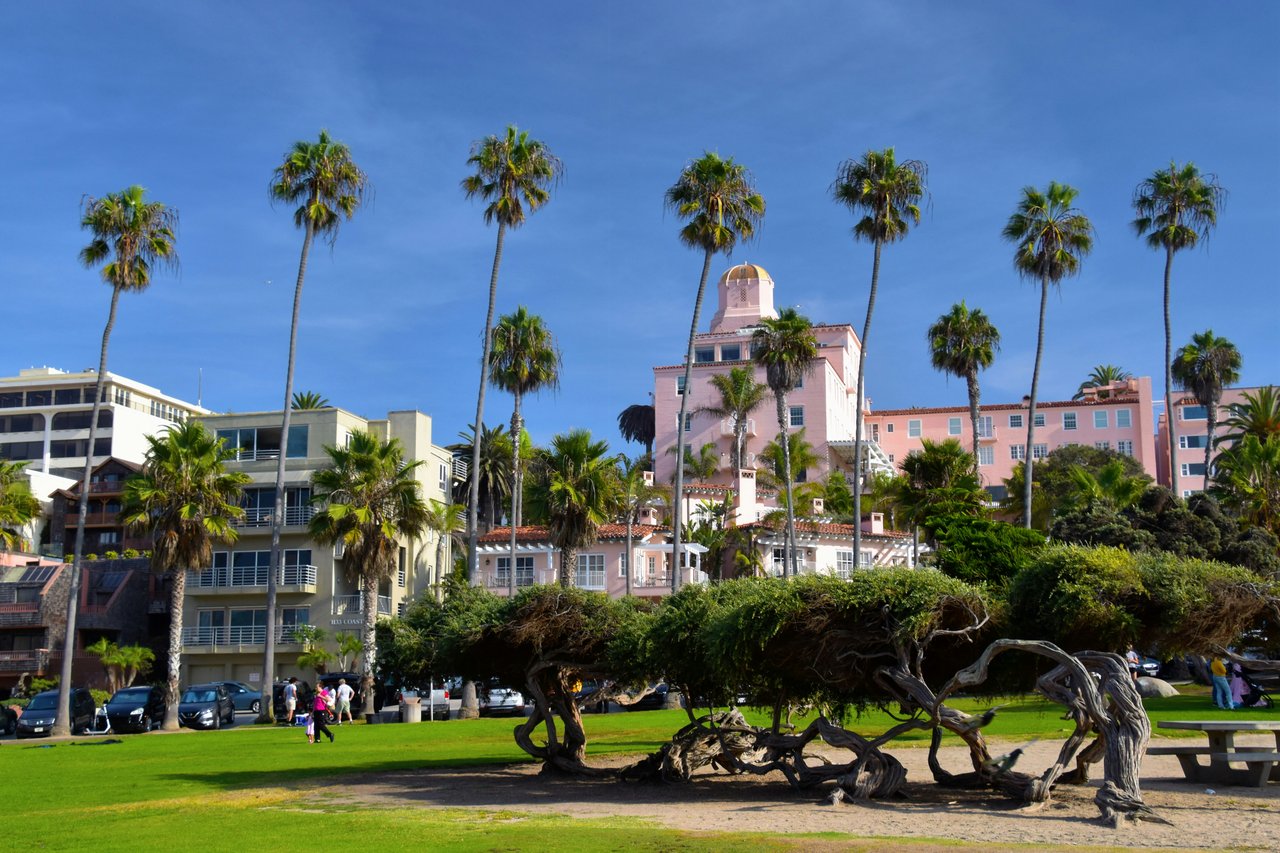
The City of San Diego identifies Mission Boulevard as a visitor-serving area, especially north of Diamond Street between the ocean and the first alleyway. Hotels, motels, restaurants, and other visitor-focused uses are concentrated there, which means this stretch tends to feel more active and tourism-oriented.
Garnet Avenue and the Garnet/Ingraham area function as the community’s commercial core. Planning documents call out this area as central to shopping and services, but they also note ongoing traffic and parking pressure along major east-west streets. If you want to be close to dining and errands, this area can be convenient, but it often comes with more movement and congestion.
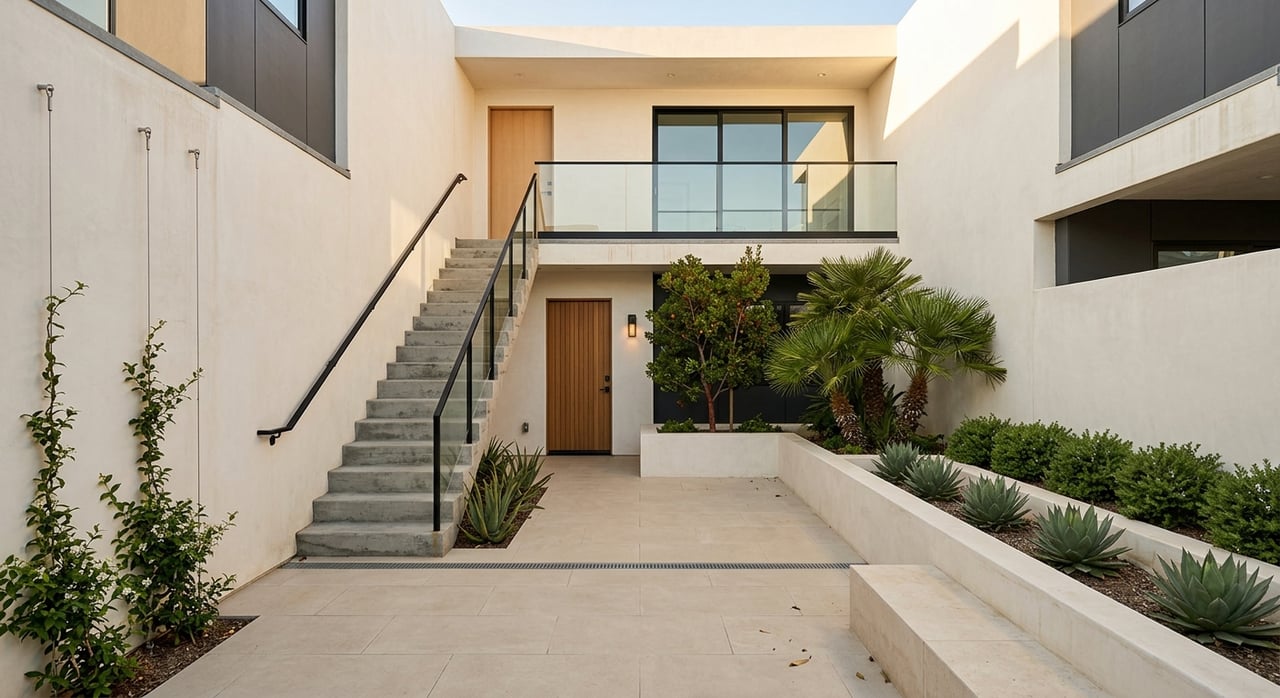
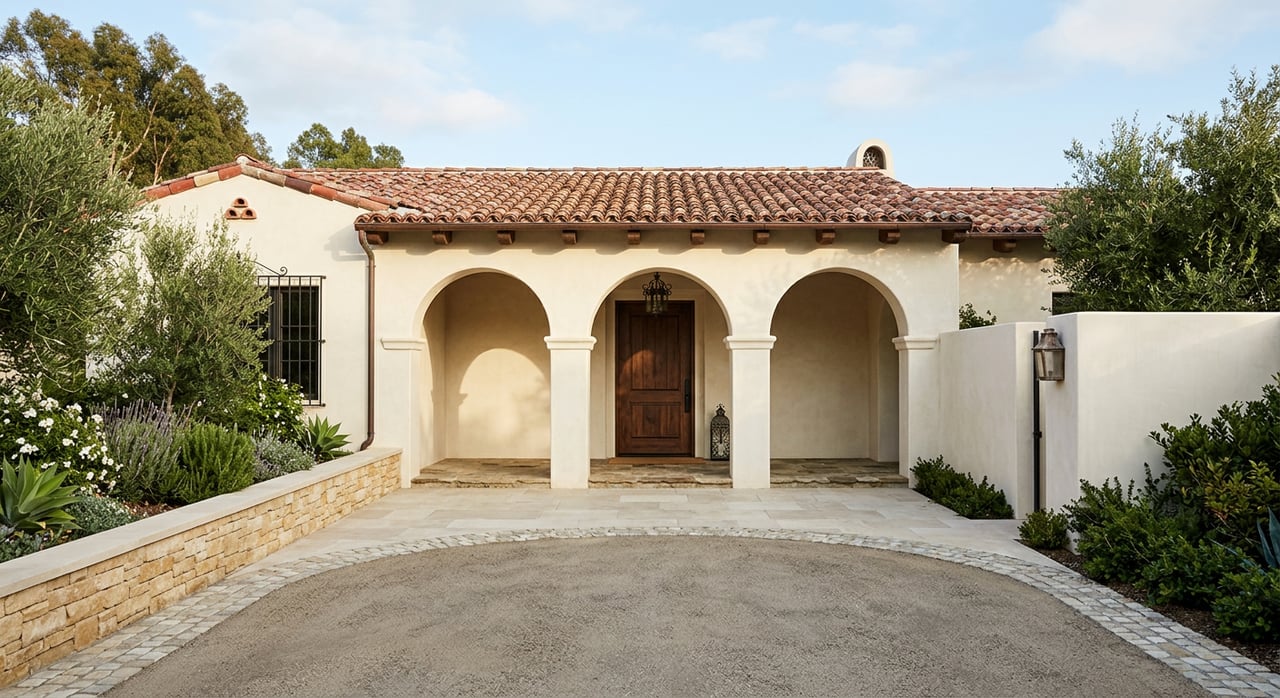
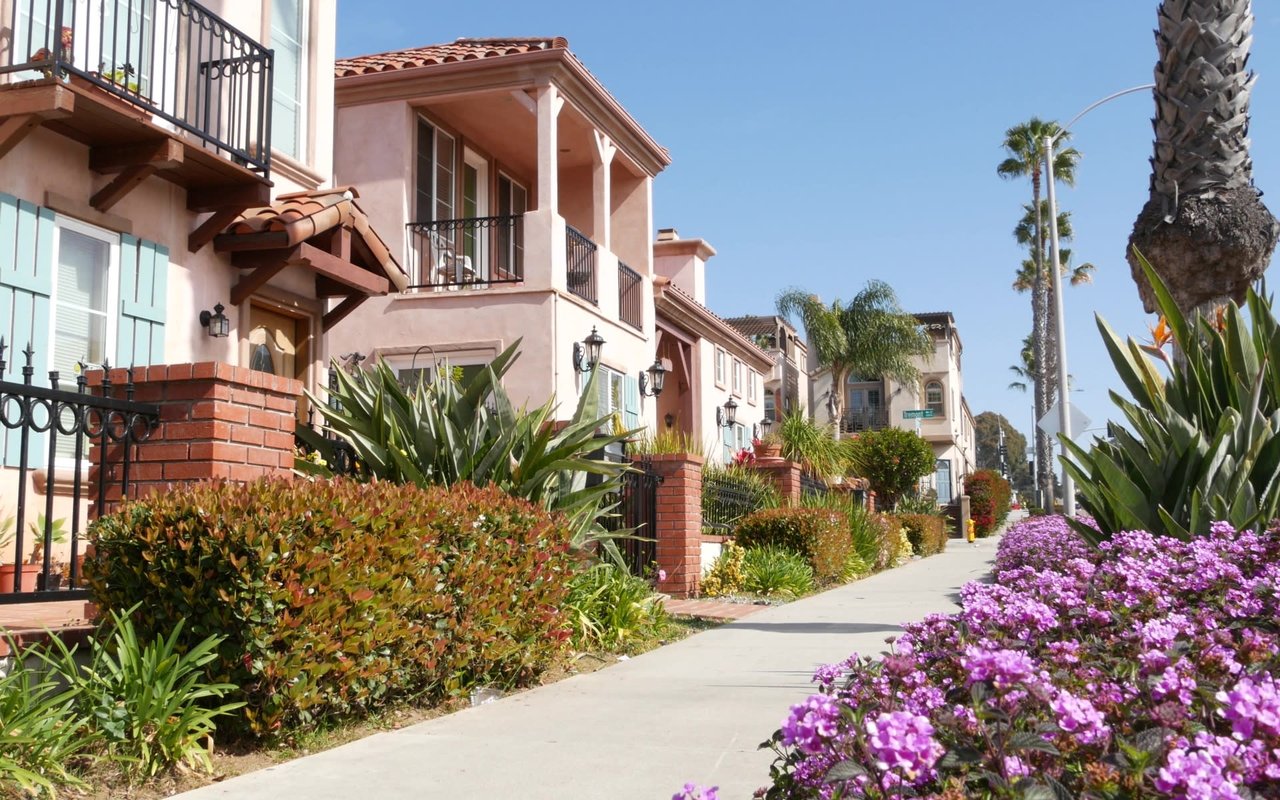
By contrast, city planning materials describe Crown Point, Braemar, and Sail Bay as distinct residential neighborhoods. The plan also emphasizes pedestrian and bicycle connections from these areas to parks, the library, and commercial services, which supports a more everyday neighborhood feel while keeping amenities accessible.
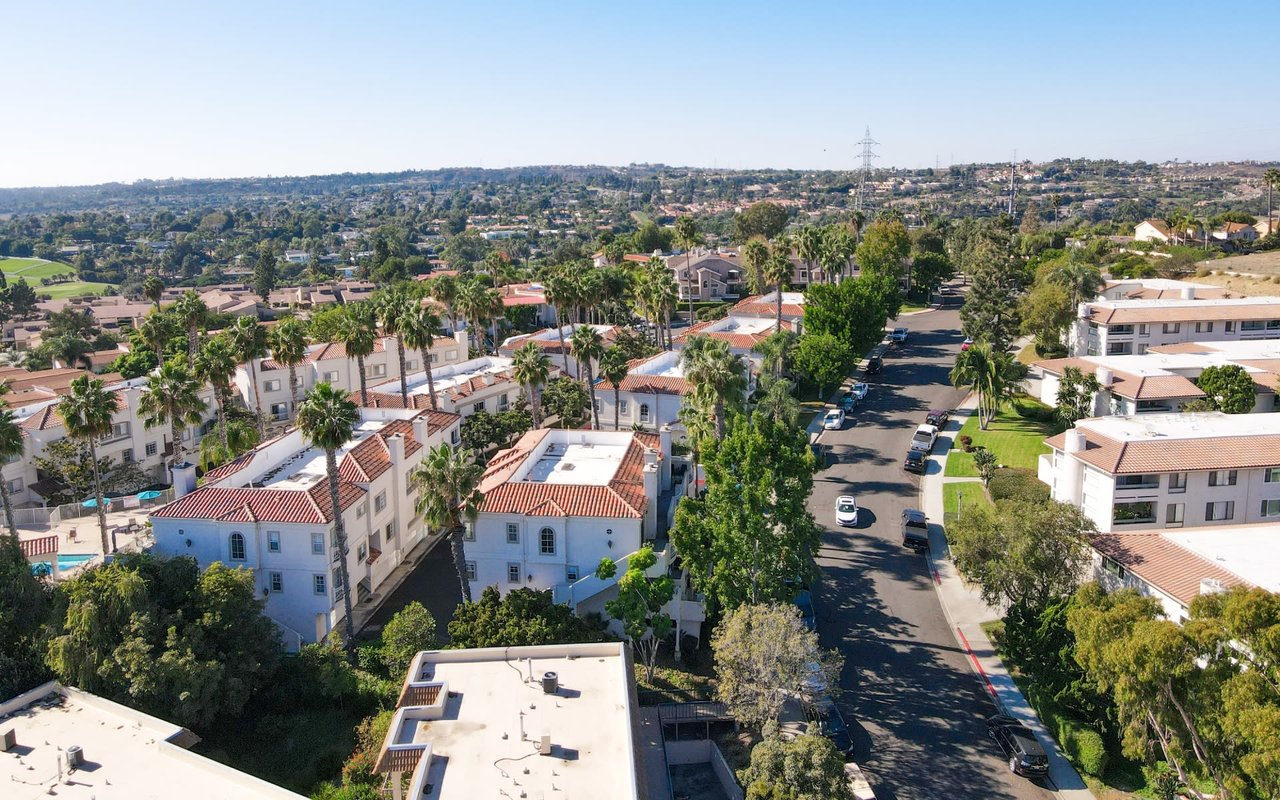
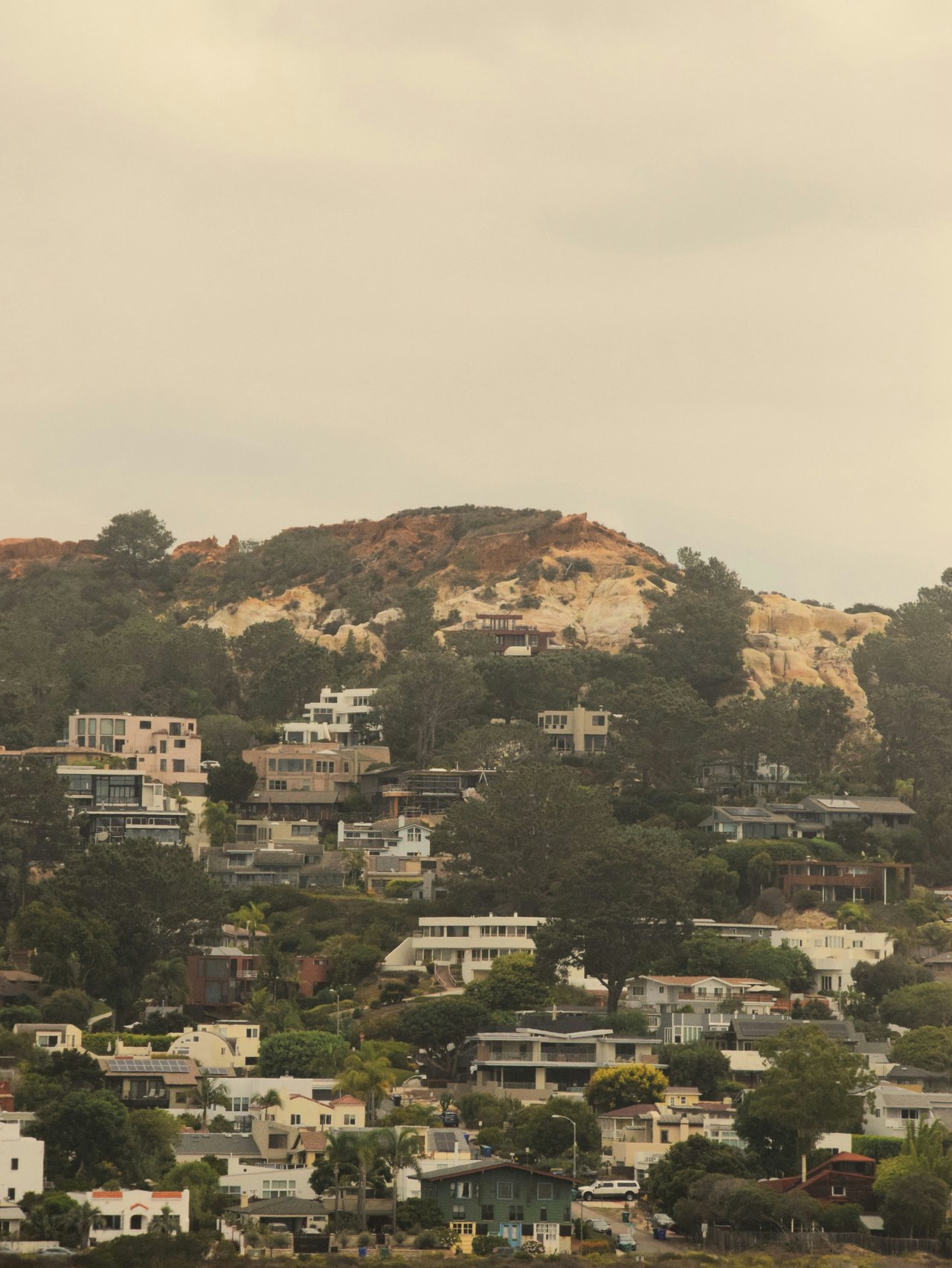
The quieter parts of Pacific Beach also tend to be inland, on the bay side, or in hillside residential pockets. The city describes the northwest quadrant as hilly and lower density, with mostly low-profile single-family homes. In general, if you are looking for a calmer full-time living experience, these types of locations may align better with your goals than a home directly on Mission Boulevard or near the boardwalk.
What Makes PB Work for Full-Time Residents
Pacific Beach has enough local infrastructure to support real daily living. You are not relying only on beach access or nightlife. You also have community spaces, parks, recreation options, and a business district that stays active throughout the year.
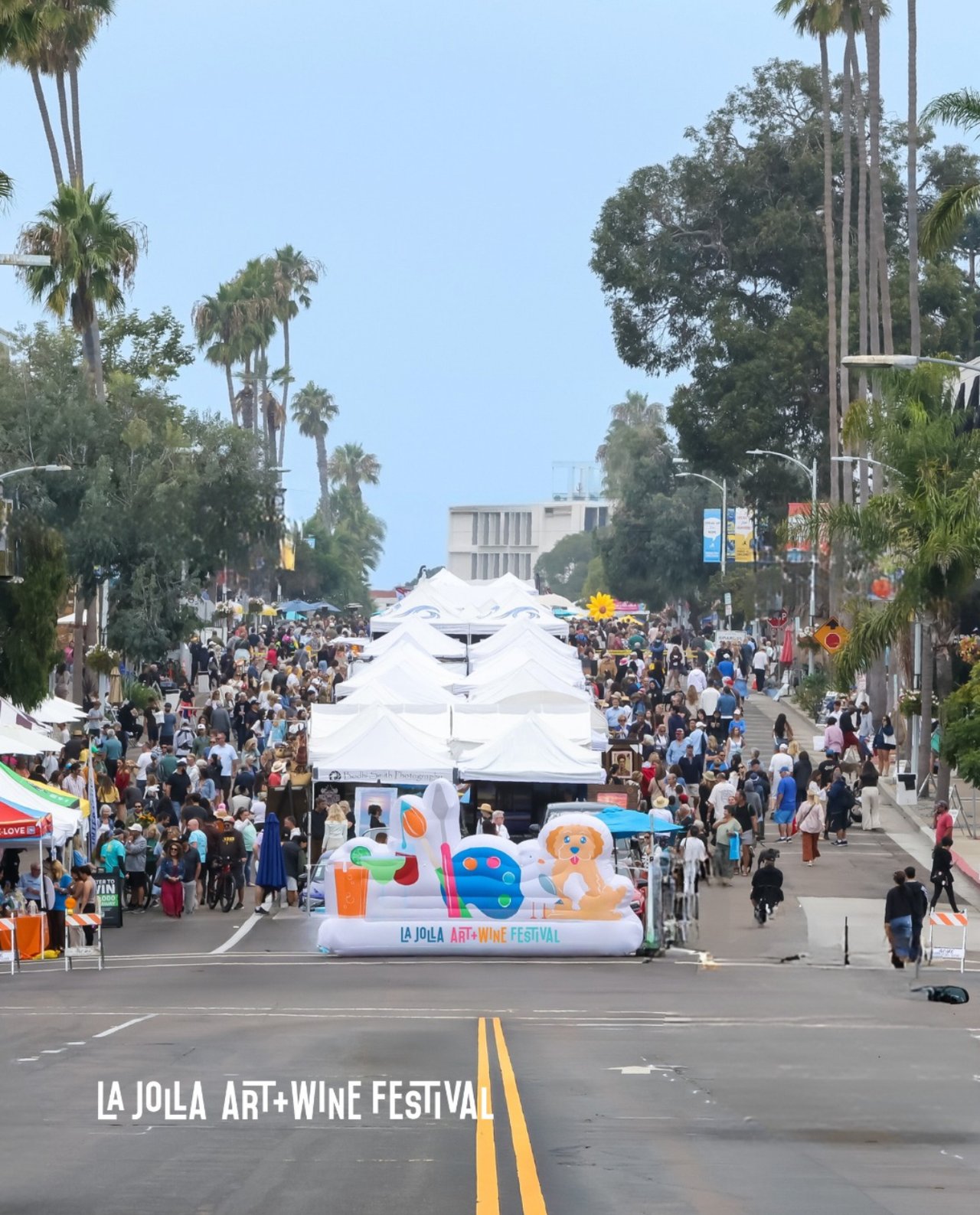
Discover Pacific Beach, the local business improvement district, highlights a Tuesday Farmers’ Market, restaurant walks, Pacific BeachFest, a holiday parade, and other recurring events. That civic and social calendar helps the neighborhood feel connected beyond vacation season.
For many buyers, that is the difference between a place that is fun to visit and a place that is enjoyable to live in. A year-round neighborhood needs familiar routines, local gathering points, and community events that give the area continuity. Pacific Beach has those elements.
Getting Around in Pacific Beach
Pacific Beach is not an exclusively walk-everywhere neighborhood, even though some areas are very accessible on foot or by bike. In practice, many residents use a mix of driving, biking, and transit depending on where they live and where they need to go.
Current MTS service includes Route 9, Route 27, and Route 30, which connect Pacific Beach to other parts of San Diego. That gives you public transit options, but your day-to-day ease will still depend on your exact location within PB.
This is one reason local guidance matters. A home that looks close to everything on a map may feel very different once you factor in parking patterns, traffic flow, and access routes. In Pacific Beach, convenience is often highly specific to the block.
Traffic, Parking, and Other Tradeoffs
Every popular coastal neighborhood has tradeoffs, and Pacific Beach is no exception. The city’s community profile says parking shortages are especially noticeable in summer and on weekend evenings, and major access routes and east-west streets can be heavily congested.
That does not mean PB is hard to live in. It means your experience will vary based on where you choose to live and how you like to move through the neighborhood. Some residents prefer to be close to the action, while others want a few more blocks of separation for a quieter daily routine.
Beach rules are also part of everyday life. The City of San Diego says alcohol is not allowed on the beach, cliffs, walkways, park areas, or adjacent parking lots, and gatherings of more than 50 people require a permit. Shared-use rules like these help maintain order in a very active public setting.
A Coastal Reality to Know About
If you plan to spend regular time in the water, it helps to understand local water-quality guidance. San Diego County’s Beach and Bay Monitoring Program says a general advisory is issued after 0.2 inch or more of rain, and people are advised to avoid contact with ocean and bay waters for 72 hours after rainfall ends.
The county also notes that closures can be issued when a sewage spill may affect recreational waters. This is a practical detail, but it is part of living near the coast year-round. Knowing the local rhythm includes knowing when conditions may temporarily change.
Is Pacific Beach a Good Fit for You?
Pacific Beach can be a great fit if you want an active coastal lifestyle with real neighborhood infrastructure behind it. It offers year-round outdoor access, a strong local business base, community amenities, and distinct residential pockets that feel different from the busier beach corridors.
It may be especially appealing if you like having options. In PB, you can choose between more energetic blocks near the ocean and commercial core or quieter residential areas closer to the bay, inland streets, or hillside sections. That range gives buyers more flexibility than the neighborhood’s party-beach reputation might suggest.
The key is to evaluate Pacific Beach with a block-by-block lens. The best match depends on how you want to live, not just how close you want to be to the sand.
If you are exploring Pacific Beach as a full-time home base, working with a local team can help you narrow in on the right micro-area, property type, and lifestyle fit. For tailored guidance on coastal neighborhoods and private home tours, connect with Ryan & Tracie.
FAQs
What is Pacific Beach like year-round for full-time residents?
- Pacific Beach offers more than seasonal beach activity. It functions as a full-time residential neighborhood with parks, a library, recreation spaces, local businesses, community events, and year-round beach infrastructure.
Which parts of Pacific Beach feel most residential?
- Based on the city’s land-use descriptions, quieter-feeling residential pockets are more likely in areas such as Crown Point, Braemar, Sail Bay, and some inland or hillside blocks away from Mission Boulevard and the Garnet commercial corridor.
Is Pacific Beach busy outside summer?
- Yes, Pacific Beach stays active throughout the year, but summer is typically the busiest season. Outside peak months, many residents find the neighborhood easier to navigate while still enjoying the same coastal setting and amenities.
How walkable is Pacific Beach for daily errands?
- Walkability depends on the block. Some areas near commercial streets and the beach are convenient for walking and biking, but Pacific Beach generally functions as a mix of car, bike, and bus travel rather than a fully walk-everywhere neighborhood.
What should buyers know about parking in Pacific Beach?
- The city notes that parking shortages are especially noticeable in summer and on weekend evenings, and some major streets can be congested. Your exact location within PB can make a big difference in day-to-day convenience.
Are there water-quality issues to know about in Pacific Beach?
- San Diego County advises avoiding contact with ocean and bay waters for 72 hours after rainfall of 0.2 inch or more. Temporary closures can also happen if a sewage spill may affect recreational waters.