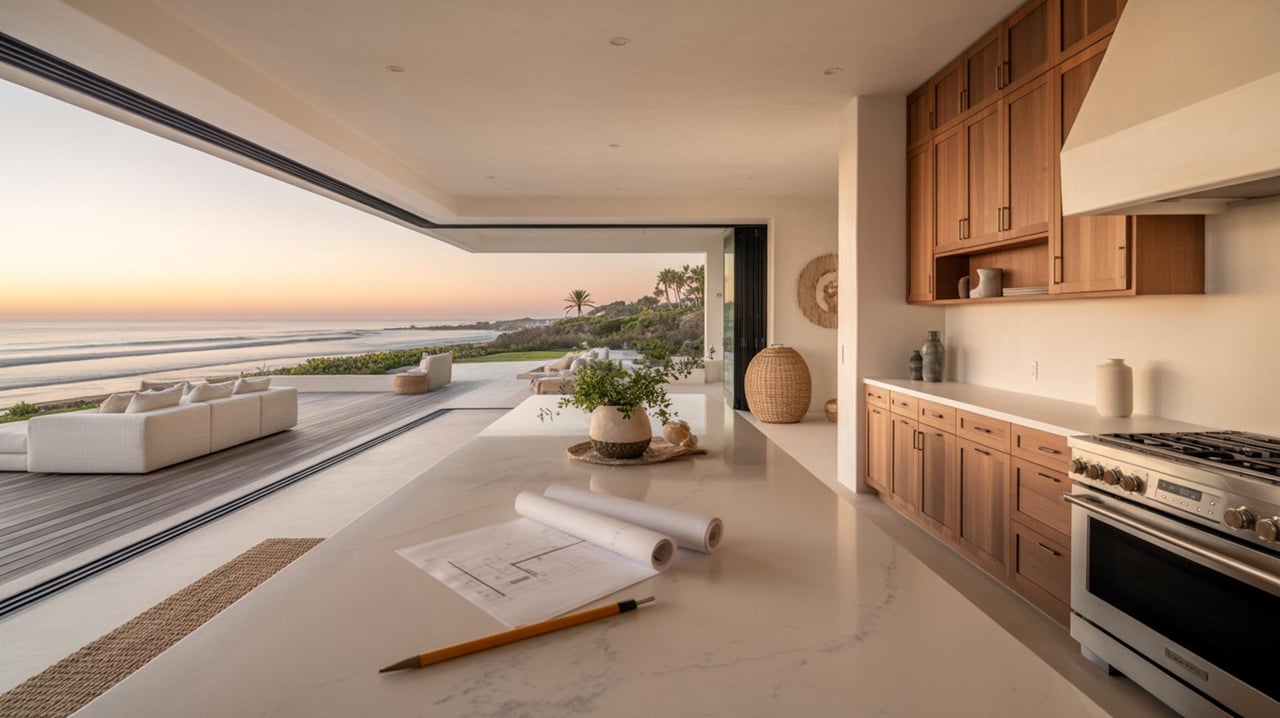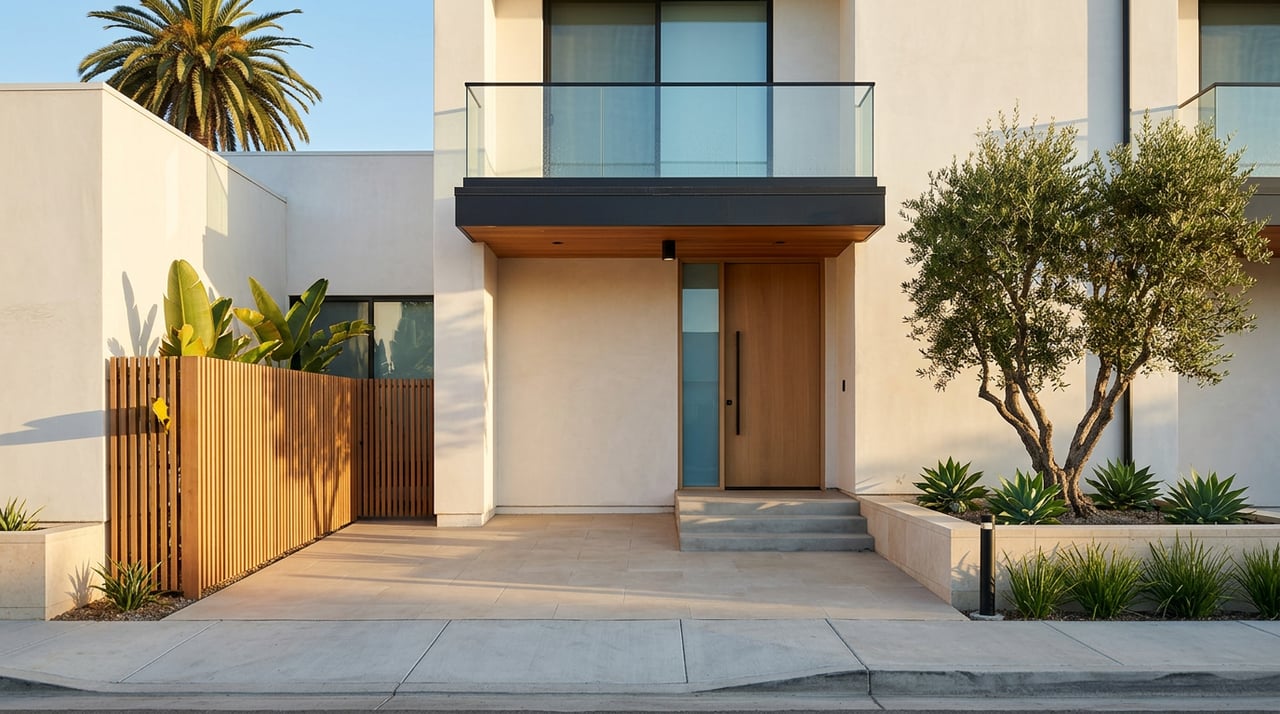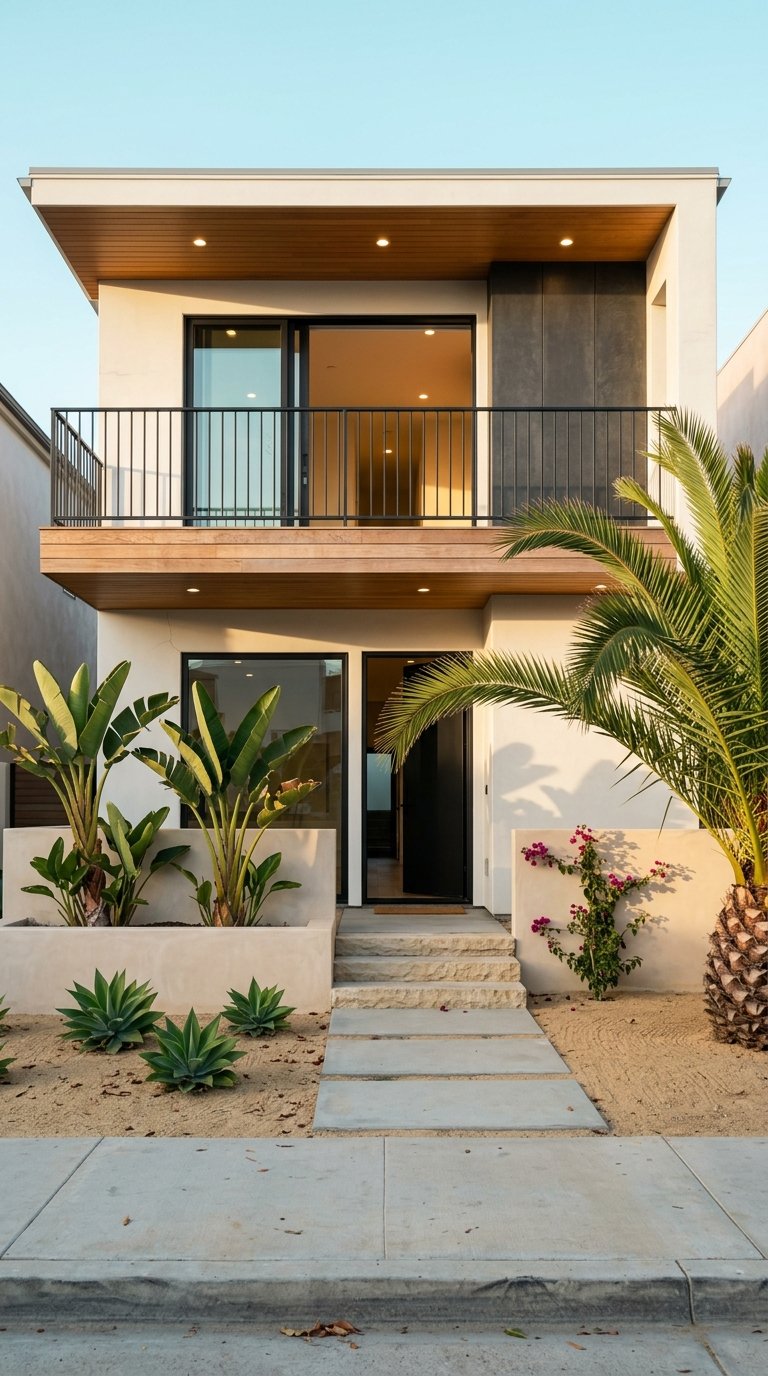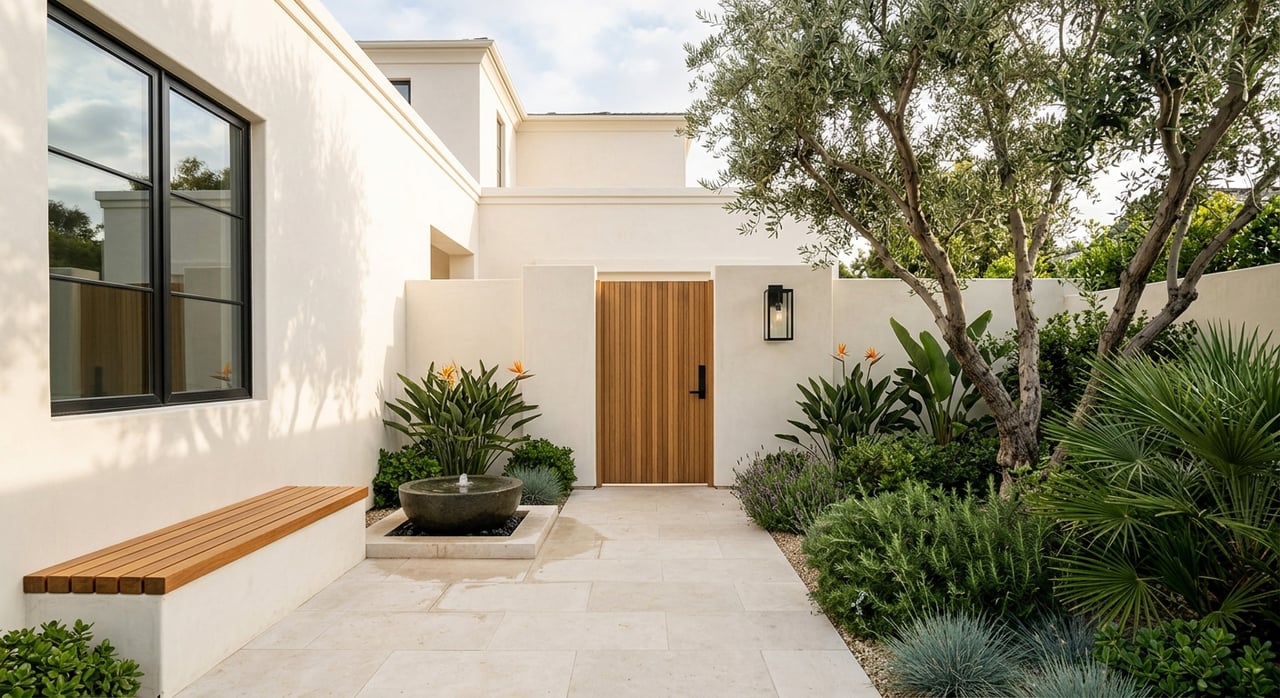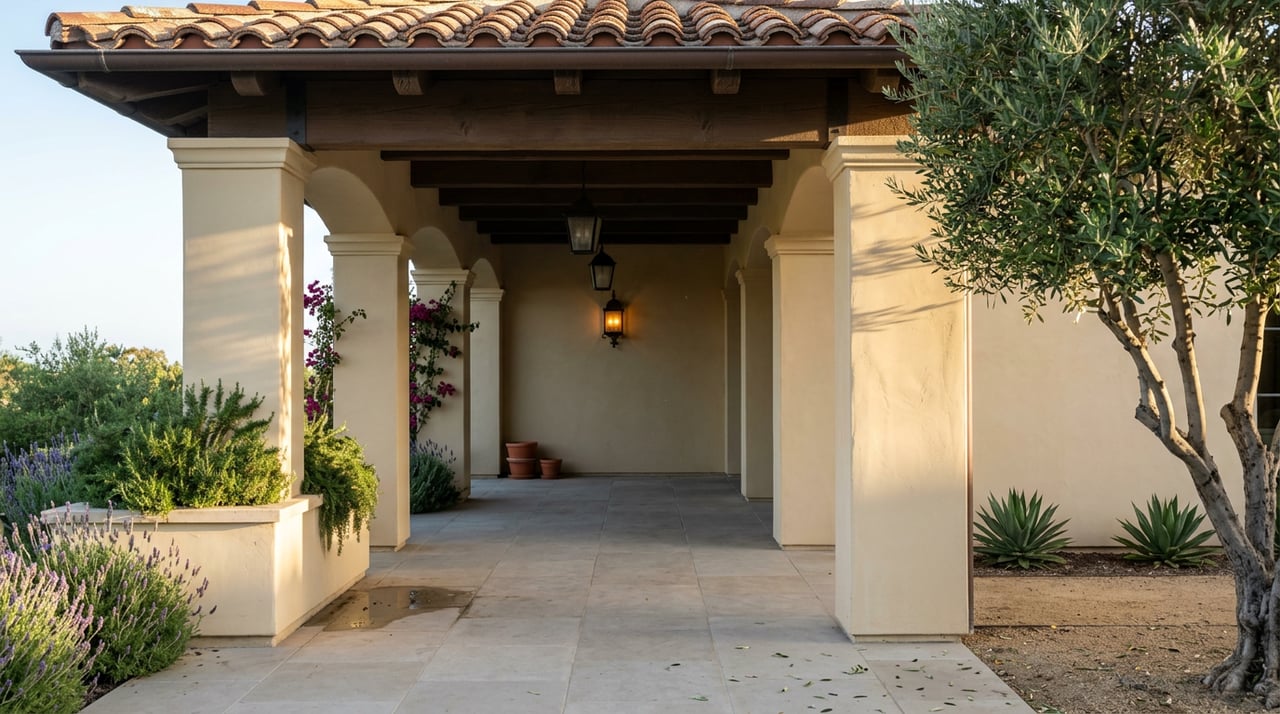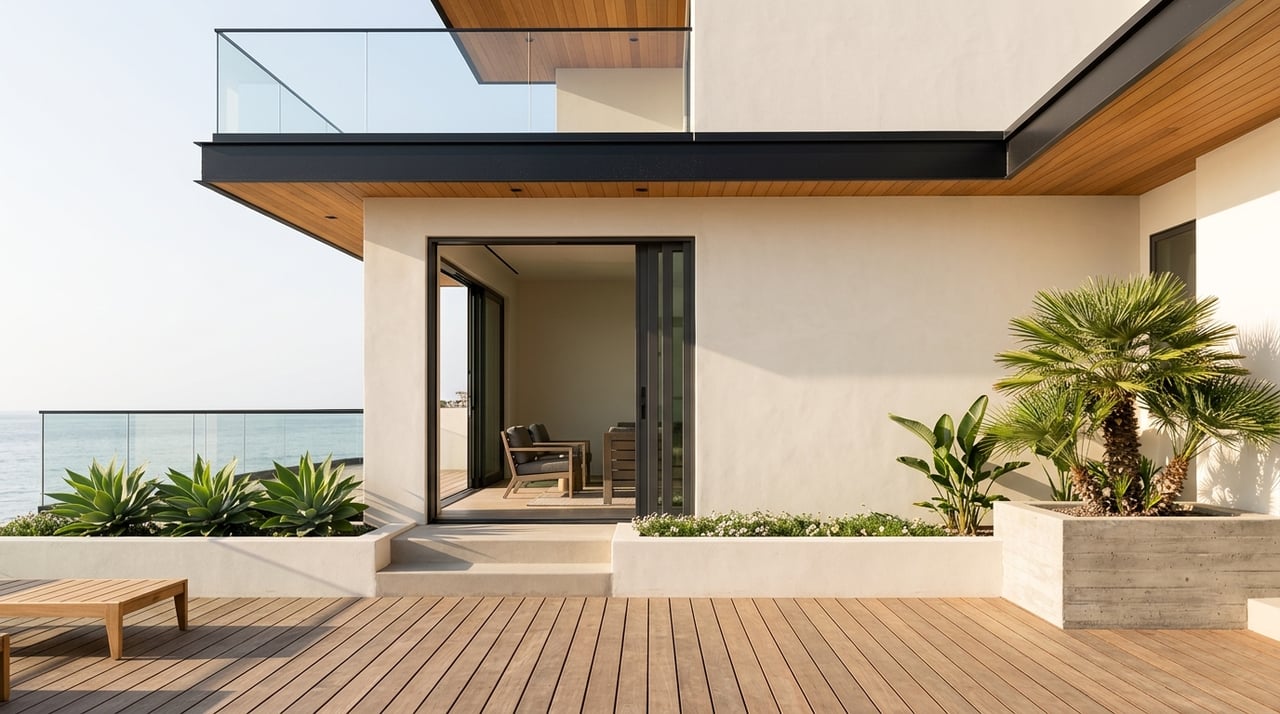
Pacific Beach can look simple from the outside: a coastal San Diego neighborhood with beach access, strong visitor appeal, and a housing mix that seems built for rentals. But if you are buying, selling, or repositioning an investment property here, the details matter. From condo-heavy inventory to city short-term rental rules and strict 1031 deadlines, understanding the local framework can help you avoid expensive mistakes and spot better opportunities. Let’s dive in.
Why Pacific Beach Draws Investors
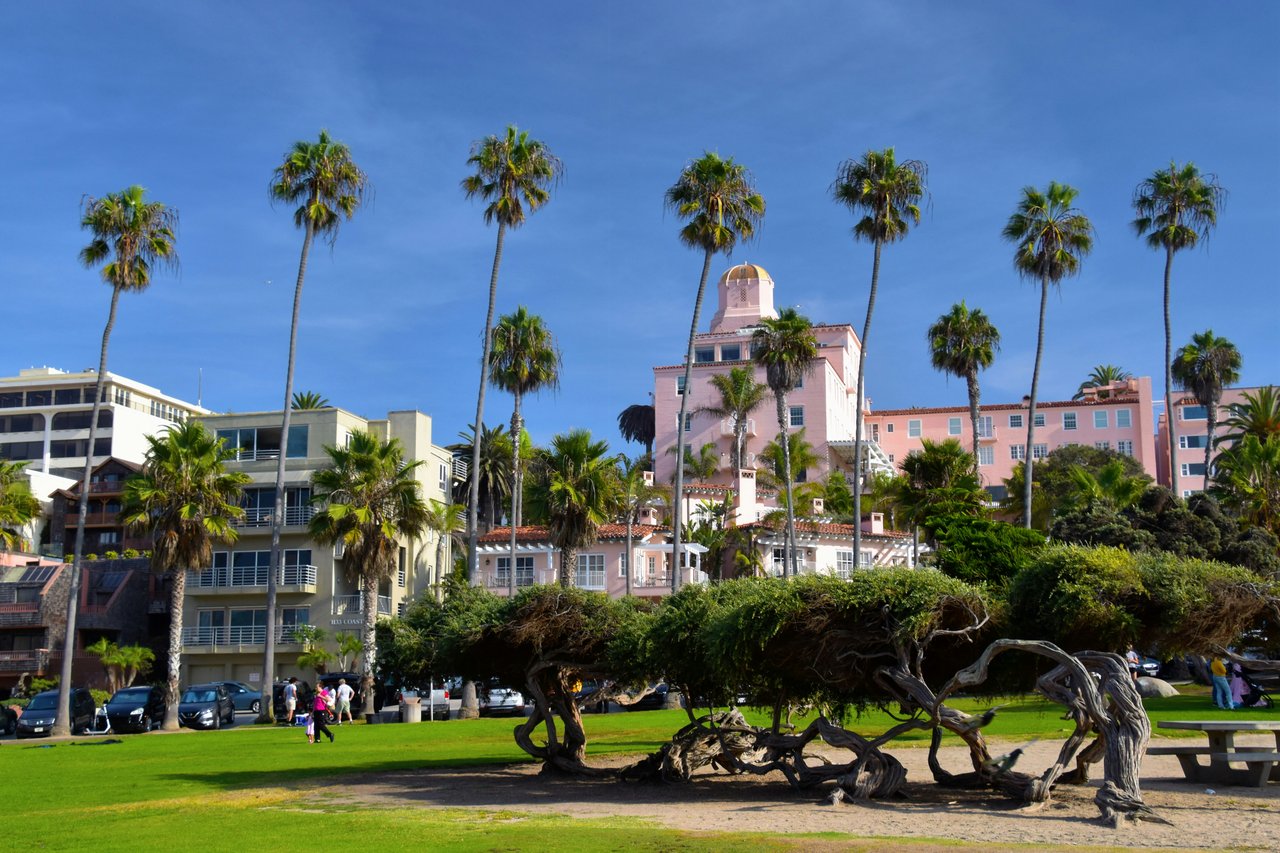
Pacific Beach sits along the western edge of San Diego’s mid-coastal area, bordered by the Pacific Ocean and Mission Bay. The City of San Diego describes it as primarily residential, which matters if you are evaluating it as more than just a visitor destination. You are looking at a community with real housing demand, not only a seasonal beach market.
That housing demand also sits on a useful foundation. SANDAG estimates for Jan. 1, 2022 show 41,409 residents, 22,326 housing units, an 11.8% vacancy rate, and an average household size of 2.05 persons. The median age is 35.0, which points to demand that may include singles, couples, roommates, and younger working households.
Pacific Beach Housing Mix Matters
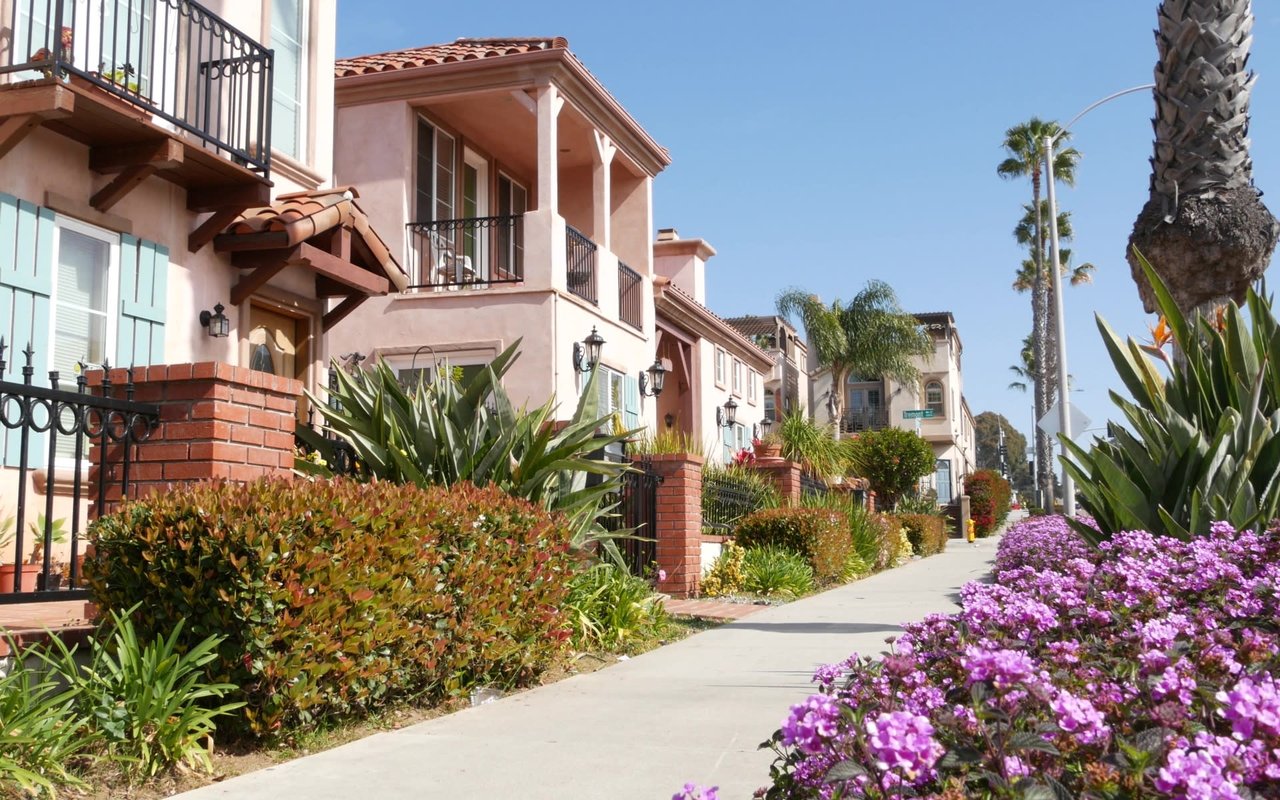
For investors, product type is a big part of the story. Pacific Beach has 13,735 multi-family units, 4,417 detached single-family homes, and 4,174 attached single-family units, based on the same SANDAG estimates. In plain terms, the neighborhood has far more multi-family and attached housing than detached homes.
That makes condos, townhomes, and smaller multifamily properties especially relevant when you are planning a rental strategy here. If your goal is long-term rental income, these property types often align more naturally with the neighborhood’s housing stock and household profile. They also tend to fit the smaller-household demand suggested by local demographic data.
Rental Demand Is Not One-Dimensional
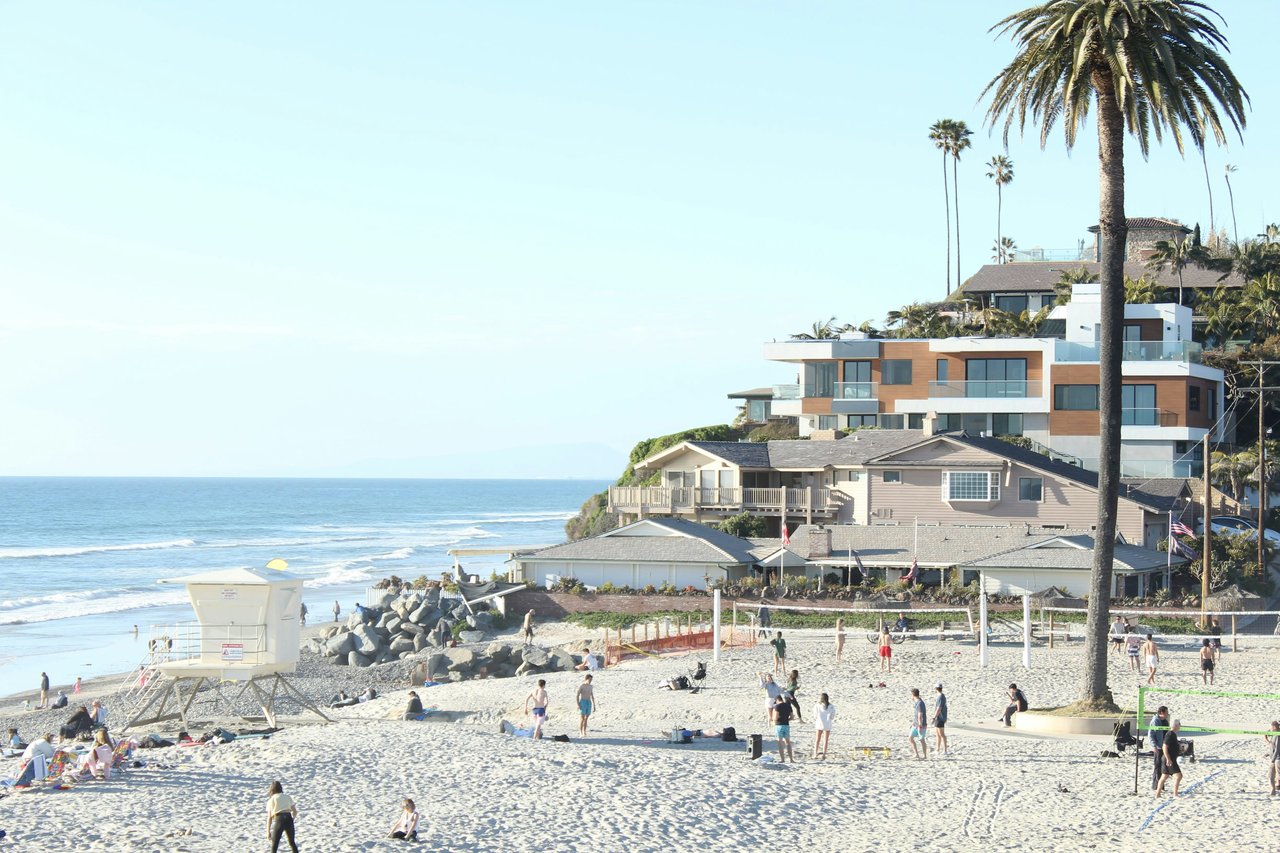
Pacific Beach benefits from both resident demand and visitor demand. On the lifestyle side, the City of San Diego notes amenities such as year-round lifeguards at Pacific Beach and North Pacific Beach, public restrooms and showers, public parking lots, sand volleyball areas, and the Mission Beach/Pacific Beach boardwalk. Those features support the area’s broad appeal and help explain why the neighborhood stays active beyond a narrow summer window.
At the regional level, San Diego Tourism Authority data shows 32.5 million visitors in calendar year 2024, including 18.0 million overnight visitors and 6.7 million private-home guests. Direct visitor spending reached $14.8 billion. The tourism authority also notes that San Diego beaches are pleasant virtually year-round, with August, September, and October typically being the strongest beach months.
For you as an investor, the takeaway is simple. Pacific Beach has multiple demand layers, but the right strategy depends on the property, your intended use, and the city’s operating rules.
Long-Term Rentals in Pacific Beach
If you are focused on stable occupancy and simpler operations, long-term rentals may be the cleaner path. Pacific Beach’s housing stock and demographics suggest that condos, townhomes, and smaller multi-family properties are natural fits for renters seeking coastal access and a more compact lifestyle footprint. That does not guarantee performance, but it gives you a clearer local logic for underwriting.
Long-term rentals also avoid some of the added compliance burdens tied to short-term occupancy. In a market where regulation can shape returns, that difference matters. For many investors, the less complicated route can be the more durable one.
Short-Term Rentals Require More Than Demand
Pacific Beach may attract visitor interest, but that does not mean every property is a straightforward vacation rental play. In San Diego, the Short-Term Residential Occupancy ordinance applies citywide to stays of less than one month and requires a license. The city states that operating without a license is unlawful.
The rules are also narrower than many buyers expect. A host may hold only one STRO license at a time, may not operate more than one dwelling unit for STRO at a time, and licenses are not transferable between owners or locations. If you are underwriting a property based on short-term rental income, these details should be part of your analysis before you write an offer.
Pacific Beach STRO Rules to Know
Pacific Beach is not Mission Beach, and that distinction matters. For whole-home short-term occupancy, Pacific Beach falls under Tier 3 rather than Tier 4. According to the City of San Diego, Tier 3 whole-home hosts must use the license for at least 90 days each year and submit quarterly reports.
Licenses expire two years after issuance. The city also requires a Transient Occupancy Tax certificate for STRO use. If the host is not the owner, a Business Tax Certificate and a right-to-occupy document are also required.
There is another major constraint that can change your numbers fast. The city says ADUs cannot be used as short-term rentals, and only permitted companion units approved before Oct. 15, 2017 may be used as STROs. If you are evaluating a property with an additional unit, that rule should be reviewed early.
What This Means for Underwriting
The big lesson is that Pacific Beach is not a simple “buy near the beach and rent it short term” market. Licensing limits, tax registration, reporting obligations, and unit eligibility rules can materially affect income potential and day-to-day feasibility. Demand may be present, but compliance drives whether your business plan actually works.
That is why rental duration should be one of your first decisions, not one of your last. Before you commit to a purchase or list a property as an investment opportunity, you should test whether the numbers still make sense under the actual city rules that apply.
How a 1031 Exchange Fits In
For investors, a 1031 exchange can be a useful tool when you want to reposition capital. You may be moving into Pacific Beach for stronger rental potential, or out of Pacific Beach into a different asset type that better fits your goals. Either way, the exchange is about deferring certain taxes while staying within a strict set of rules.
The IRS states that Section 1031 applies only to real property held for investment or for productive use in a trade or business. It does not apply to property used for personal purposes, such as a home, or property held primarily for sale. A dwelling unit can qualify if certain requirements are met, which is why use history matters so much.
Key 1031 Deadlines
1031 timing is one of the easiest places to make a costly mistake. Under IRS rules, you generally must identify replacement property within 45 days after transferring the relinquished property. The exchange must then be completed by the earlier of 180 days or the due date of your tax return for the year of transfer.
A qualified intermediary is typically used to hold and transfer the property and exchange funds under a written exchange agreement. If you take cash or receive other non-like-kind property, gain may be recognized to the extent of that boot. The exchange is generally reported on Form 8824.
Pacific Beach and 1031 Strategy
In Pacific Beach, 1031 planning often works best when tied directly to property use and rental strategy. For example, if you are exchanging into a condo or townhome, your intended use should be realistic and supportable based on local rules. If you are exchanging out of a property that had mixed personal and investment use, the tax analysis gets more nuanced.
This is especially important in a beach market, where owners sometimes blur the line between personal enjoyment and investment intent. The cleaner your documentation and planning, the better positioned you are to preserve flexibility. Timing your listing, offer strategy, and replacement search together is often what keeps an exchange on track.
Smart Questions Before You Buy or Sell
Before you move forward with a Pacific Beach rental or exchange plan, it helps to pressure-test the basics:
- What property type best matches local renter demand?
- Is your strategy long-term rental, short-term rental, or a future reposition?
- If short-term, does the property fit city STRO rules and licensing limits?
- Are there ADUs or companion units that affect legal use?
- If this is part of a 1031 exchange, what are your 45-day and 180-day deadlines?
- Have you reviewed the property’s use history with a CPA, tax attorney, and qualified intermediary?
Those questions can save you from chasing the wrong deal or marketing a property the wrong way. In Pacific Beach, the strongest investment decisions usually come from matching the right asset to the right operating plan.
Why Local Guidance Helps
Coastal investment properties often come with more moving parts than standard residential deals. In Pacific Beach, you are balancing location appeal, housing type, city operating rules, and tax-sensitive timing. A well-executed purchase or sale often depends on coordinating those pieces early, not reacting after escrow starts.
That is where local, hands-on representation can make a difference. If you are exploring a Pacific Beach rental purchase, preparing to sell an income property, or planning a 1031 exchange along the coast, working with a team that understands both the neighborhood and the transaction structure can help you move with more confidence.
If you are considering your next move in Pacific Beach, Ryan & Tracie can help you evaluate the property, the strategy, and the timing with a local, concierge-level approach.
FAQs
What makes Pacific Beach attractive for rental property investors?
- Pacific Beach offers coastal location appeal, year-round beach amenities, strong regional tourism, and a housing mix with a large share of multi-family and attached units that can align well with rental demand.
What property types are common for Pacific Beach rental investing?
- Based on local housing data, condos, townhomes, and smaller multifamily properties are some of the most relevant categories because Pacific Beach has more multi-family and attached housing than detached homes.
What are the short-term rental rules in Pacific Beach, San Diego?
- Short-term stays of less than one month require a city license, Pacific Beach whole-home rentals fall under Tier 3 rather than Mission Beach Tier 4, and hosts must follow licensing, tax, and reporting requirements.
Can you use an ADU as a short-term rental in Pacific Beach?
- No. The City of San Diego states that ADUs cannot be used as short-term rentals, and only certain companion units permitted before Oct. 15, 2017 may be eligible.
How does a 1031 exchange work for a Pacific Beach investment property?
- A 1031 exchange may allow you to defer certain taxes when exchanging investment or business-use real property, but the property’s use history, your holding purpose, and strict IRS deadlines all matter.
What are the main 1031 deadlines for San Diego investors?
- Under IRS rules, replacement property generally must be identified within 45 days of the sale of the relinquished property, and the exchange must usually be completed within 180 days or by the tax return due date for that year, whichever comes first.
Should you get professional advice before buying a Pacific Beach rental for a 1031 exchange?
- Yes. Because property use, city rental rules, and exchange timing all affect the outcome, it is wise to coordinate early with your real estate team, CPA, tax attorney, and qualified intermediary.