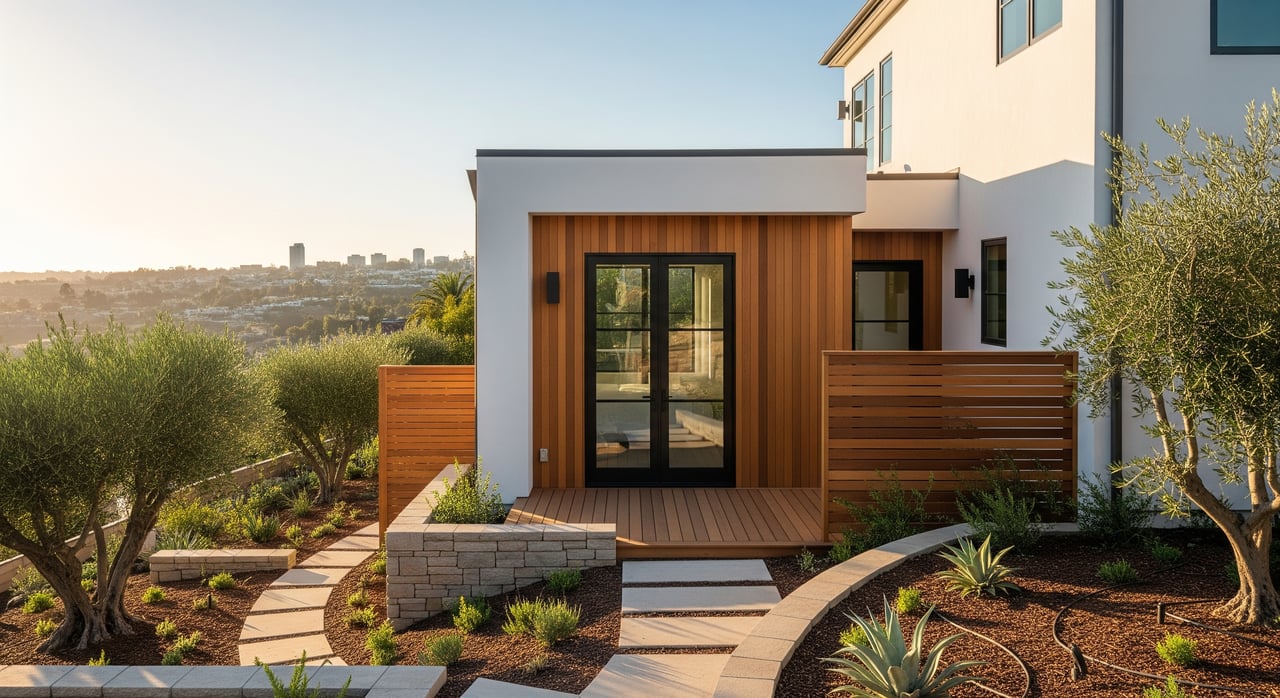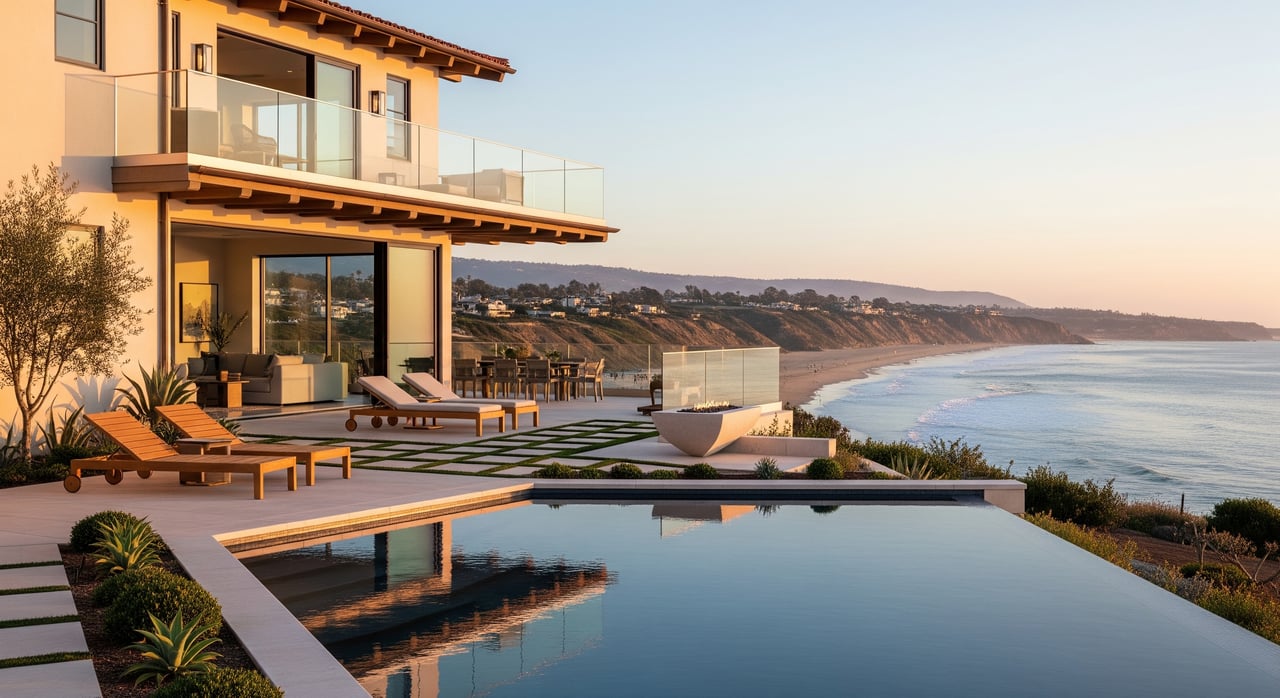
What is an ocean view really worth in Del Mar? If you have wondered why two homes a block apart can sell for wildly different prices, you are not alone. View quality, bluff proximity, beach access, privacy, and renovation level all interact to move value in big ways. In this guide, you will learn how each factor affects pricing, how to compare properties with different views, and what due diligence protects you before you buy or list. Let’s dive in.
Del Mar value drivers
View quality from main rooms
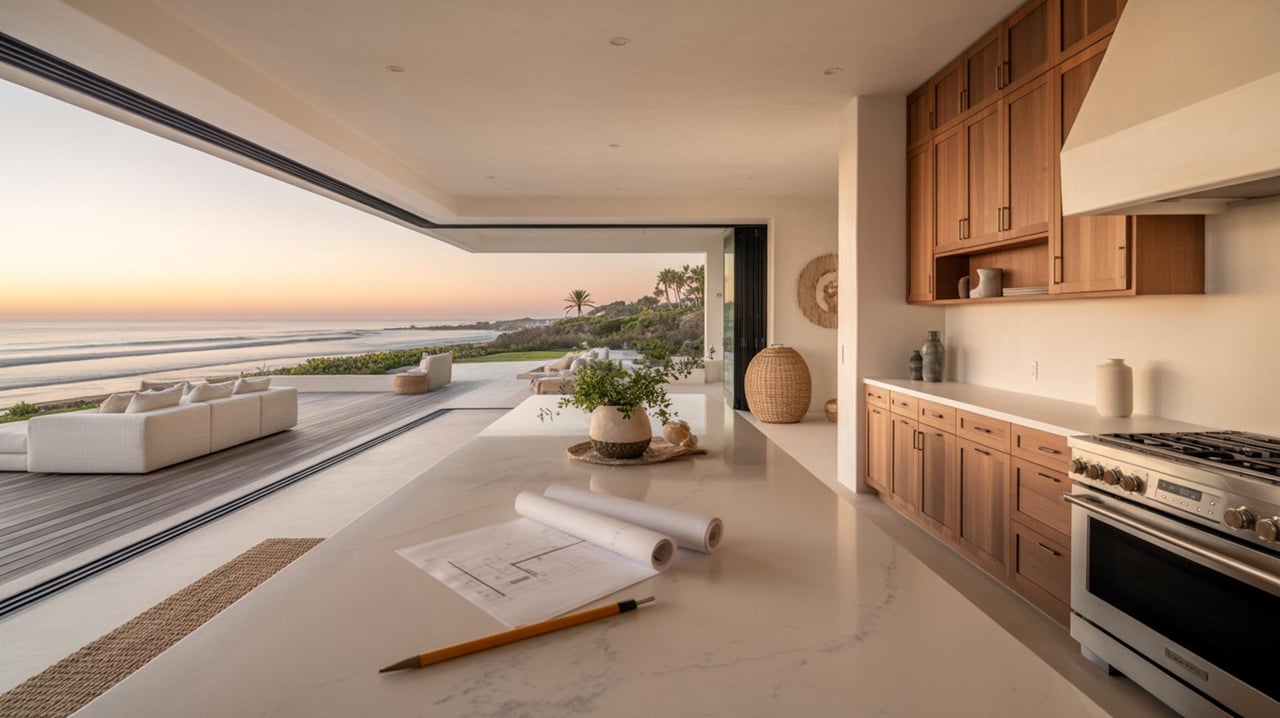
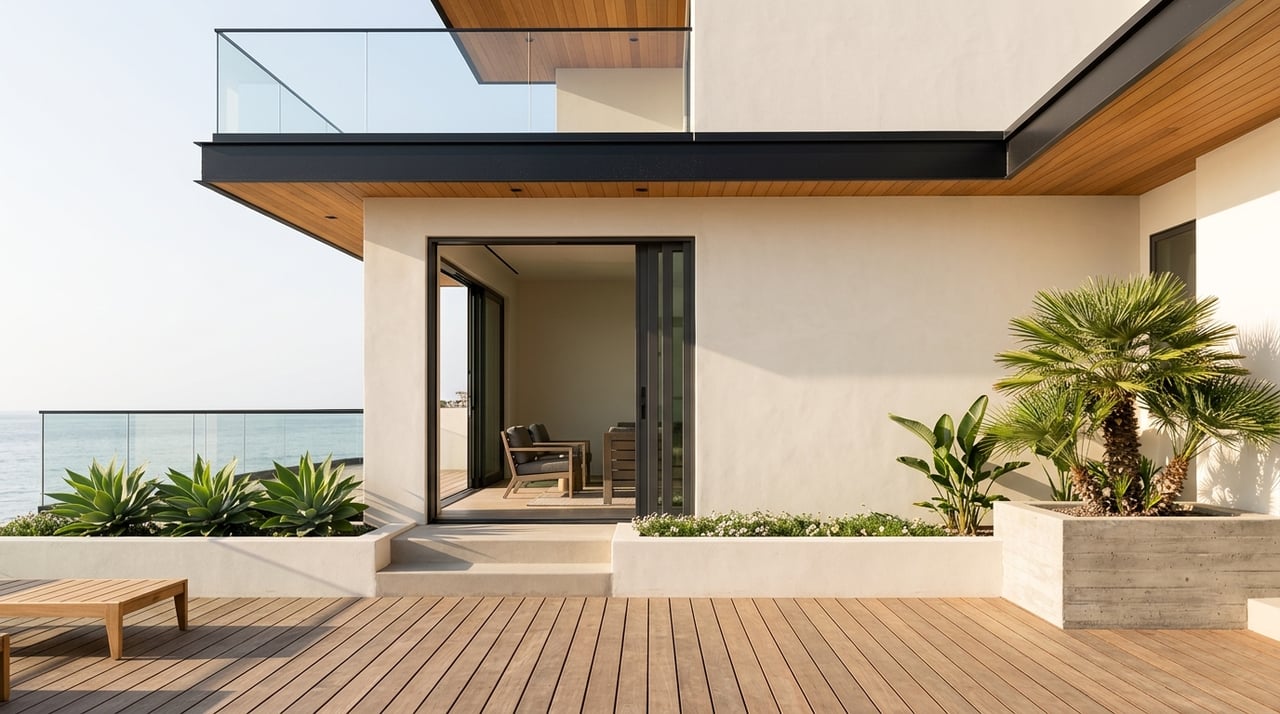
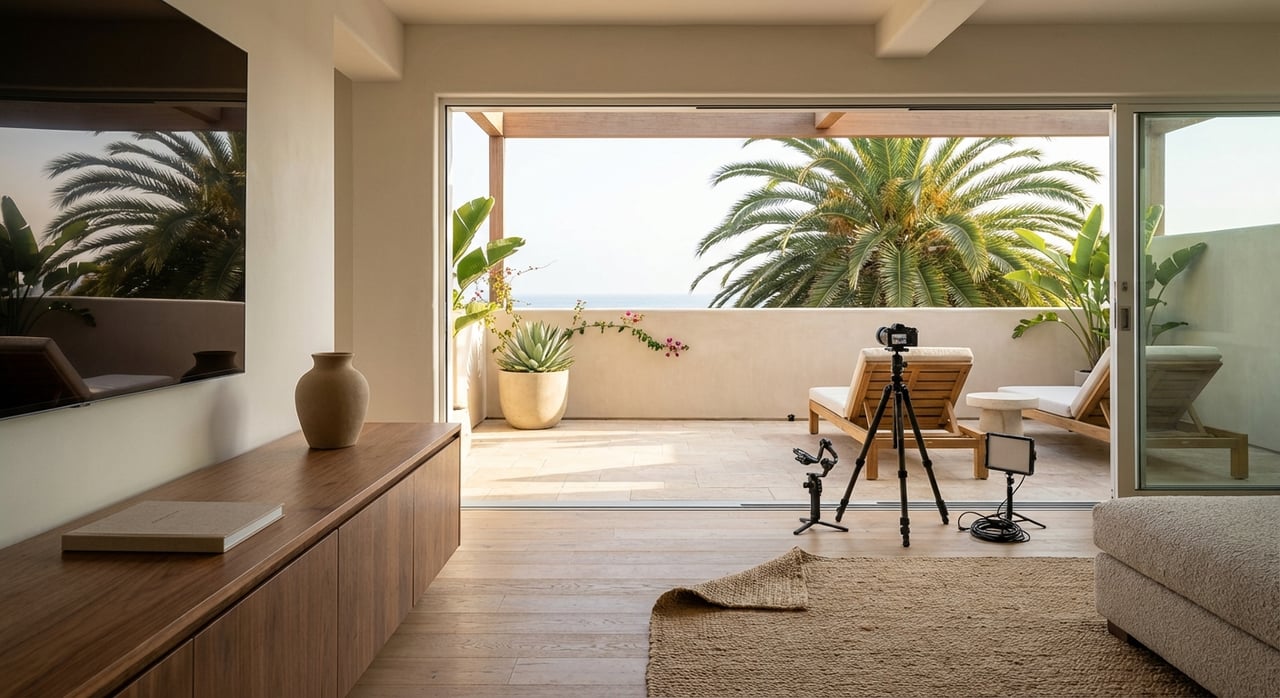
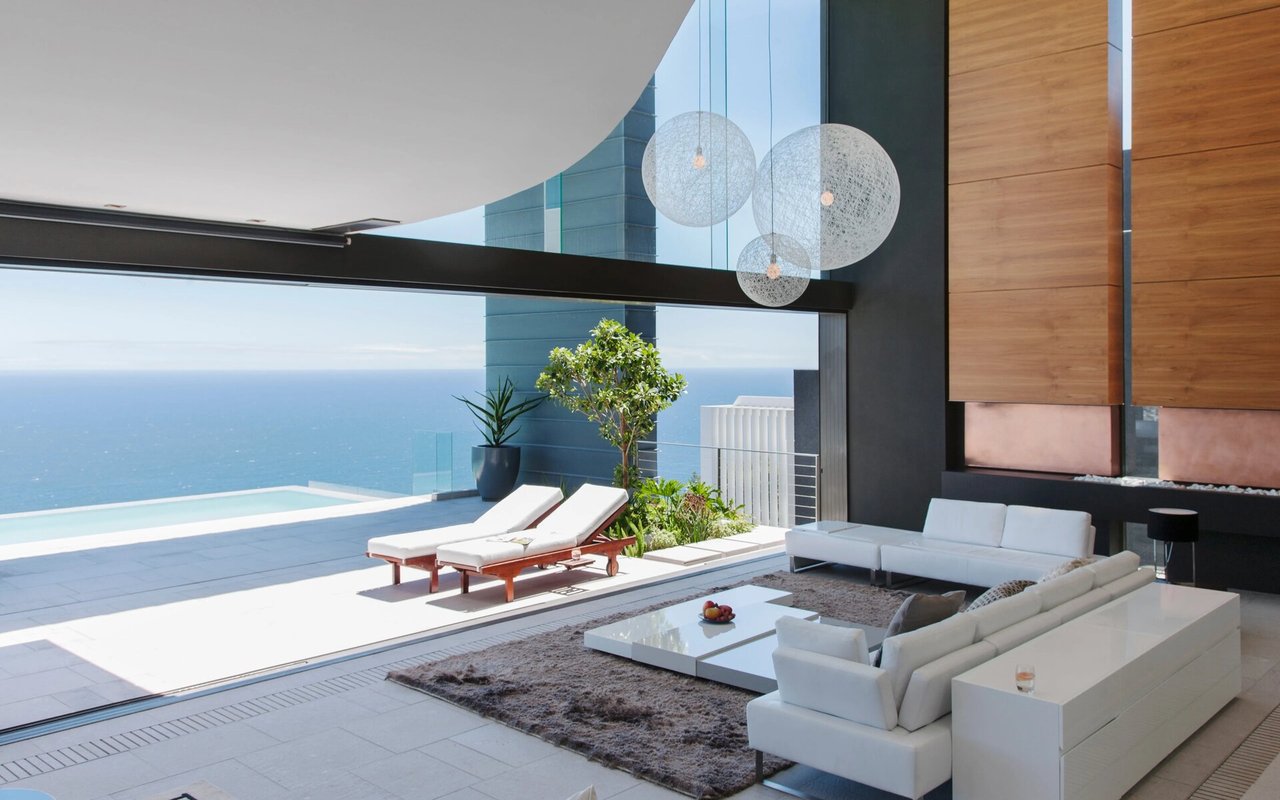
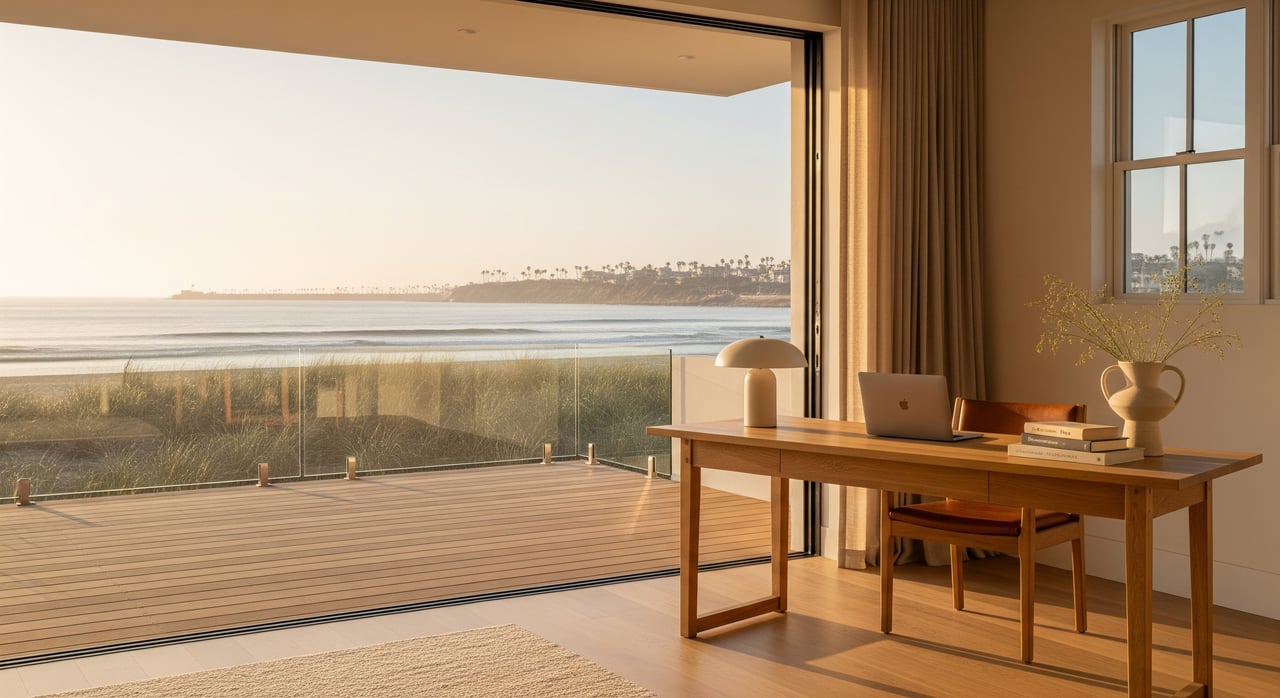
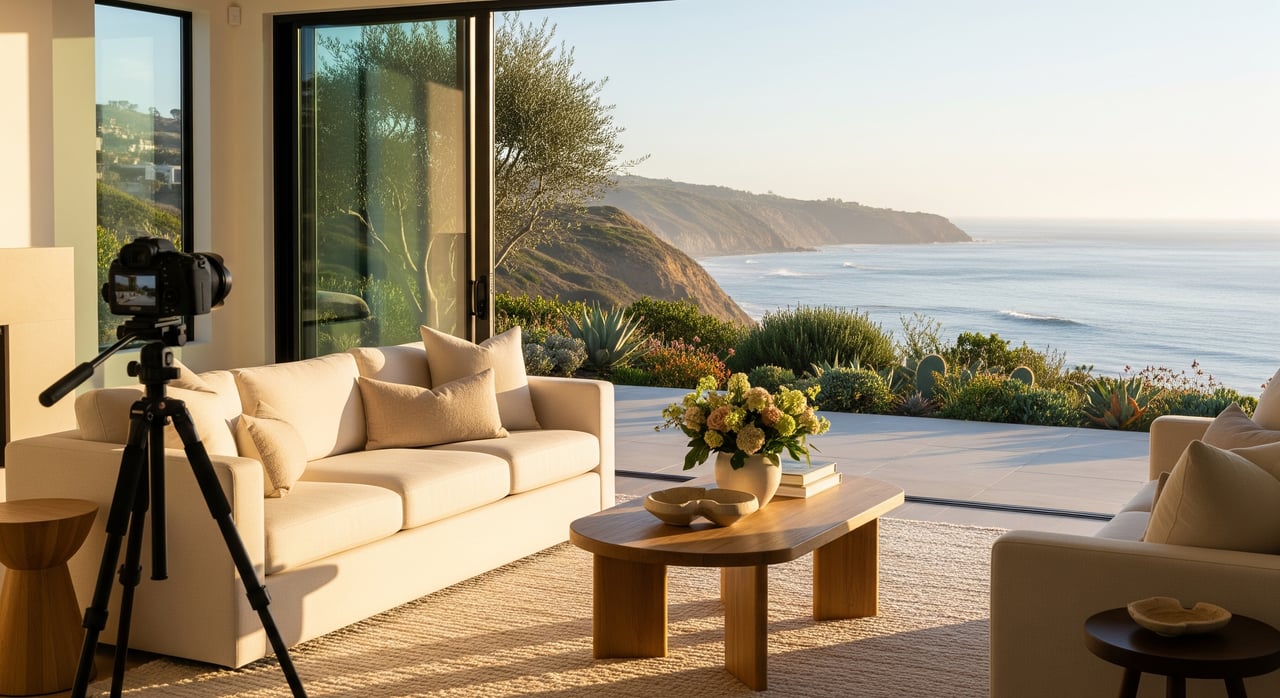
Buyers pay the most when the ocean is a daily backdrop in the living room, kitchen, and primary suite. Panoramic, unobstructed horizons command the strongest premiums. Partial or peek views from secondary spaces are still valued, but the premium is smaller. Make sure you consider where you actually experience the view, not just whether one exists somewhere in the house.
View corridor and permanence
A view corridor is the actual path your eyes travel from a seat or countertop to the horizon. Wider, less obstructed, and more protected corridors carry higher, more durable premiums. Corridors that cross private lots can be vulnerable to future building or landscaping. Always check neighboring zoning, recent permits, and any recorded view easements that could protect or weaken your outlook.
Bluff proximity and risk
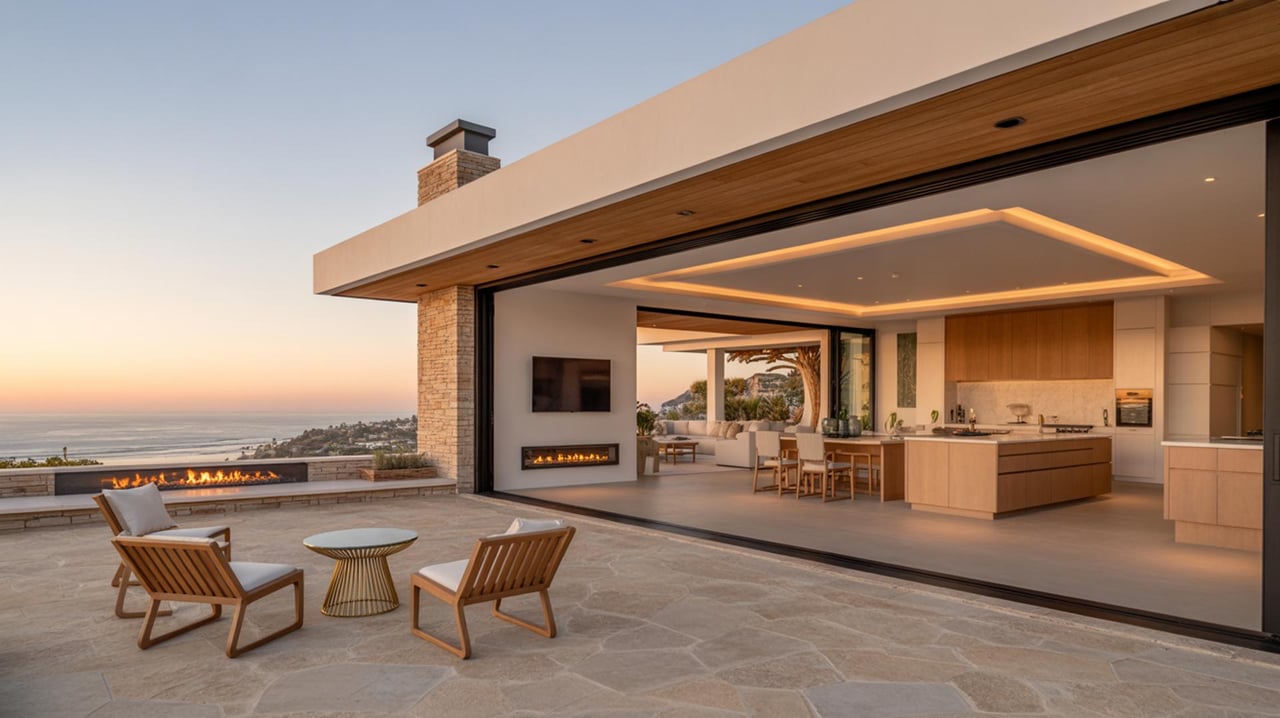
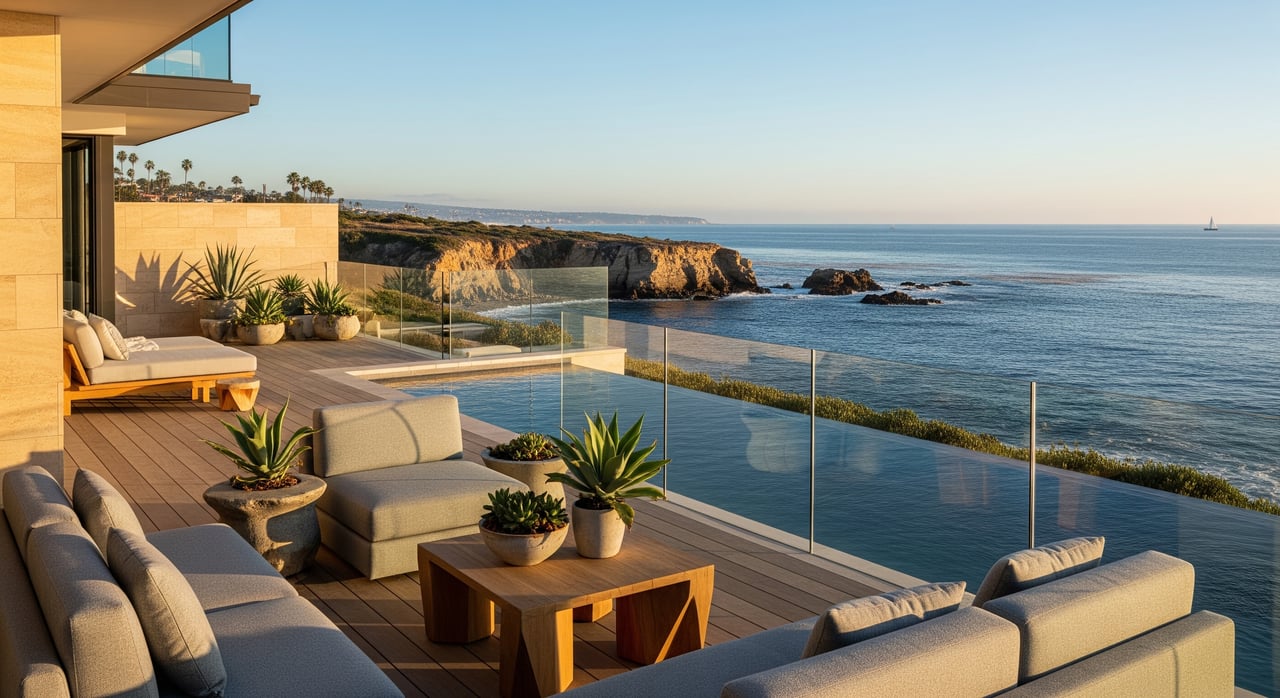
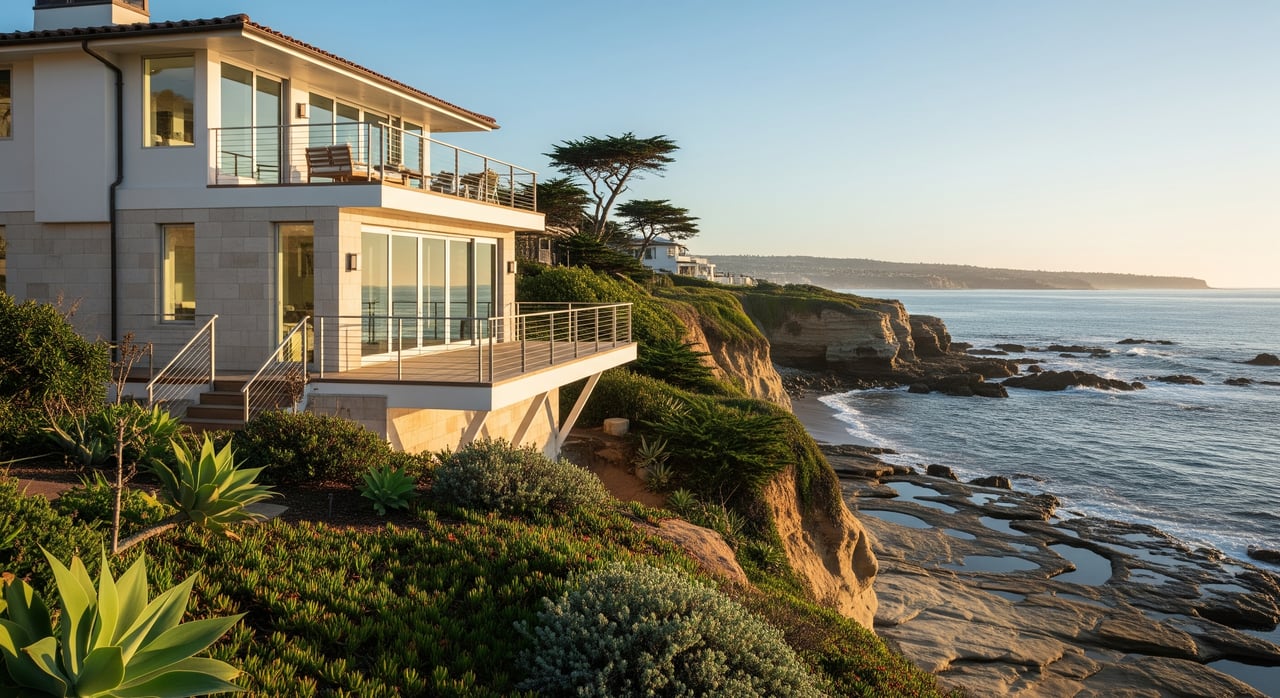
Bluff-top positions deliver drama and strong demand, yet they also introduce unique geologic and regulatory variables. Erosion, slope stability, and setback rules can limit expansion, rebuild potential, or insurance options. Buyers, appraisers, and lenders often ask for geotechnical studies or coastal engineering letters. If risk factors are significant, values may be adjusted downward even when the view is outstanding.
Beach access and walkability
Direct or deeded access to the sand adds tangible utility and lifestyle value. Proximity to popular beaches and access points increases desirability for both primary and second-home buyers. Where short-term rentals are limited, stronger walkability and access can still support demand and potential occupancy for longer-term stays.
Privacy and setback
Privacy shapes how much you can enjoy your view. Larger setbacks, smart orientation, and landscape buffers reduce sightlines from neighbors and public areas. Lack of privacy can pull values down because buyers discount spaces they feel they will not fully use.
Renovation and condition
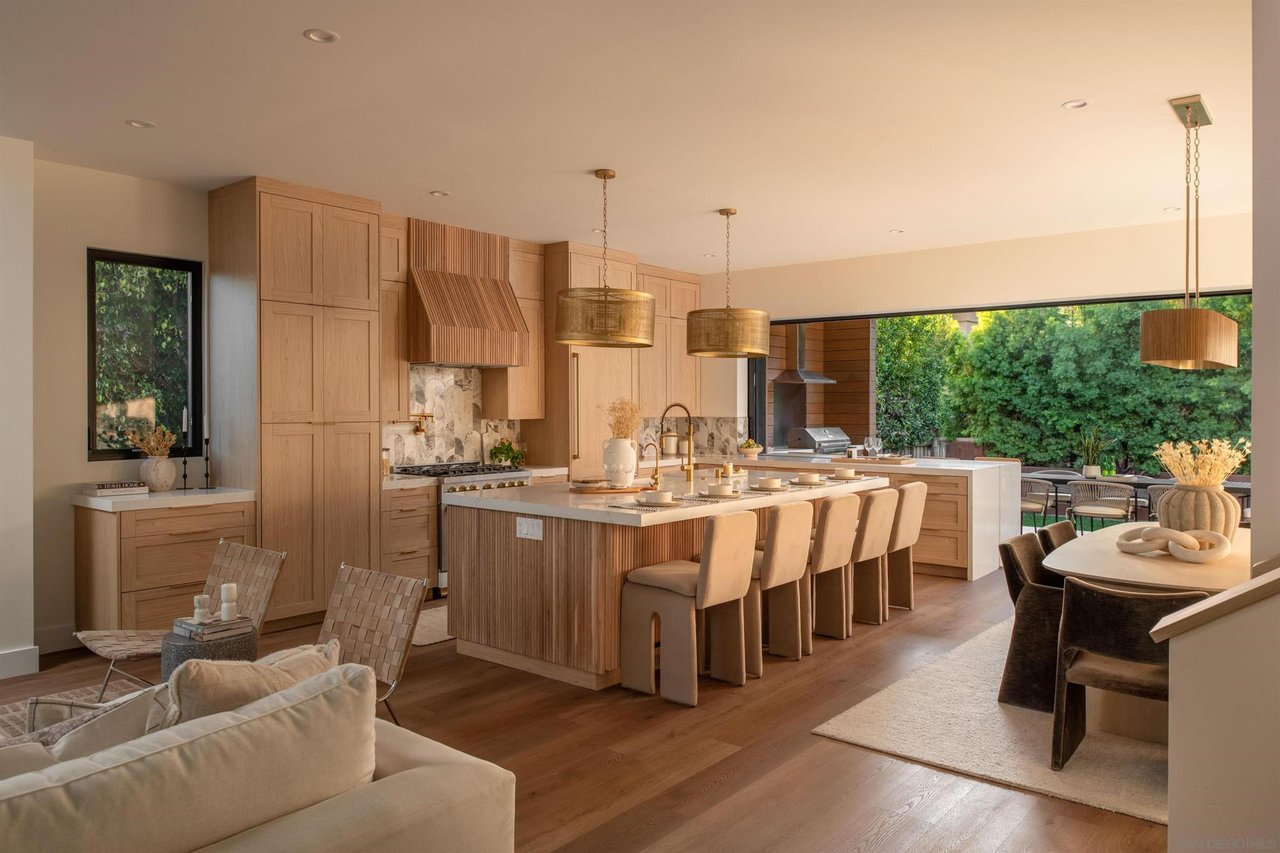
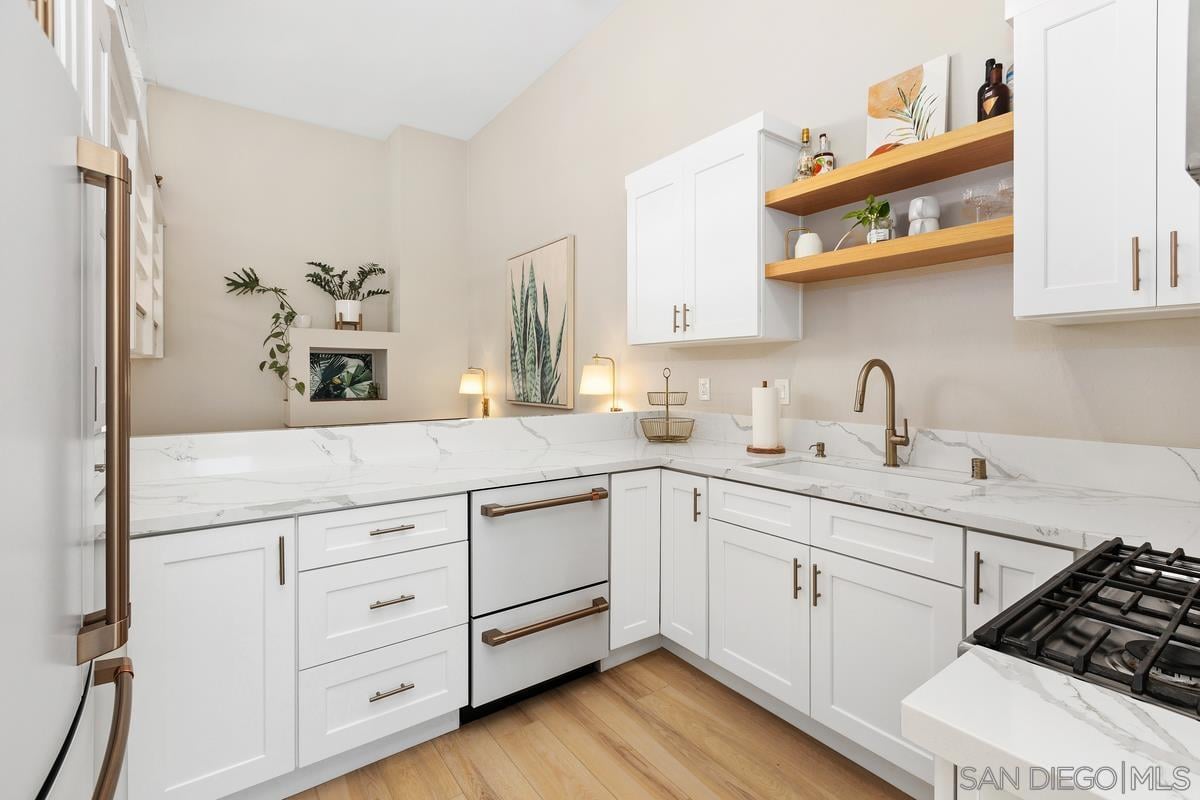
Turnkey homes with coastal-grade systems and finishes see stronger pricing. Salt air and moisture demand higher-quality materials, so deferred maintenance often weighs heavily on buyer decisions. A complete, high-quality remodel can move a property up a price tier, while functional obsolescence or dated systems can widen the negotiation gap.
How much each factor adds
These are commonly used broker and appraiser guidance ranges in coastal California markets like Del Mar. Actual adjustments depend on specific comps and current conditions.
- View quality from primary rooms:
- Panoramic, unobstructed: roughly +15% to +40% vs. similar no-view homes.
- Primary partial view: roughly +5% to +20%.
- Peek or secondary-room view: about 0% to +5%.
- Bluff position and risk:
- Bluff-top vantage or raised elevation: roughly +5% to +20%, net of risk.
- Material erosion or rebuild limits: roughly −5% to −20%.
- Beach access:
- Direct or deeded access: roughly +5% to +25% depending on exclusivity and convenience.
- Privacy and setback:
- Notable privacy buffer: roughly +5% to +15%.
- Renovation level:
- High-quality full remodel: roughly +10% to +40%.
- Deferred maintenance or functional issues: roughly −5% to −25%.
The key is interaction. For example, a panoramic view that is secure and paired with deeded beach access and a full remodel can support a much higher total premium than any single factor on its own.
Quick view-quality guide
- Grade A — Panoramic/Unobstructed: Wide horizon from main living areas and the primary suite, little chance of future blockage. Typical premium range: about +15% to +40%.
- Grade B — Primary Ocean View/Partial: Strong presence from primary rooms but limited by angle or some foreground obstruction. Typical premium range: about +5% to +20%.
- Grade C — Secondary/Peek View: Small or intermittent view from secondary spaces or upper decks. Typical premium range: about 0% to +5%.
- Grade D — No View/Obstructed: Baseline neighborhood value with no view premium.
Pricing framework you can use
Use this stepwise process to compare properties and set expectations.
Establish a baseline comp. Match neighborhood, lot position, size, and general finish level.
Adjust for structure and amenities. Account for beds, baths, square footage, parking, and outdoor spaces.
Adjust for view quality and permanence. Grade the view using A to C and consider how secure the corridor is.
Adjust for bluff proximity and risk. Add for superior vantage, subtract for erosion concerns or restricted permitting.
Adjust for beach access and walkability. Consider direct or deeded access and proximity to popular beaches.
Adjust for privacy and orientation. Confirm whether outdoor areas and primary rooms are comfortably usable.
Adjust for renovation and condition. Evaluate coastal-grade systems and finishes.
Reconcile to a value range. Explain any large adjustments and test them against multiple recent sales.
Confirm critical due diligence. Geotechnical reports, permit history, view protections, and insurance quotes can materially shift value.
Local rules and risk to check
Del Mar sits within California’s coastal regulatory framework, which affects bluff work, new development near the bluff edge, and beach access structures. Bluff setbacks, grading limits, and discretionary permits can impact your ability to expand or add stairs and decks. Sea-level rise and episodic storm erosion add long-term considerations, and insurance availability and premiums may change over time. Always review the city’s coastal program, any past permits, and current flood zone designations when you evaluate a property.
Due diligence checklist
- Confirm view quality from primary rooms at different times of day and season.
- Obtain recent geotechnical and coastal engineering reports for bluff-adjacent or bluff-top homes.
- Review permit history and any city notices related to stabilization or mitigation.
- Verify easements and rights for beach stairs and shared access paths.
- Request recent insurance estimates, including any flood or coastal policies.
- Check zoning and nearby parcels for redevelopment that could block views; ask about pending applications.
- Compare at least 3 to 6 closed comps within the same view grade and neighborhood.
- Consider consulting a coastal-familiar appraiser for an independent opinion.
Listing and buyer tactics
Sellers: present the view
- Lead with sightlines from the main living areas and primary suite.
- Use floor plans and photos to show how daily life connects to the ocean.
- Trim or frame landscaping to enhance corridors where allowed by code.
- Highlight privacy features and any deeded or direct access.
- Emphasize quality systems and coastal-grade materials to reduce buyer risk perception.
Buyers: test assumptions
- Visit at sunset and midday, and check for seasonal changes in foliage.
- Stand or sit in the exact living and dining spots you will use most.
- Walk the block to understand setbacks, privacy, and nearby access points.
- Ask for geotechnical documentation and permit history before final pricing decisions.
The bottom line
In Del Mar, small differences in view quality, corridor security, bluff position, access, privacy, and condition can translate into large price swings. Use a disciplined checklist, compare within similar view grades, and confirm the details that lenders, appraisers, and seasoned buyers care about. When you get the analysis right, you can price confidently, negotiate with clarity, and protect your long-term enjoyment and resale value.
Ready to talk through your specific home or a property you have your eye on? Reach out to Ryan & Tracie for a private, data-driven consultation tailored to Del Mar ocean-view homes.
FAQs
How much does an ocean view add in Del Mar pricing?
- Premiums vary by view grade and permanence, from about 0% to +5% for peek views, roughly +5% to +20% for partial views, and roughly +15% to +40% for panoramic views.
Do bluff-top homes in Del Mar always sell for more?
- Often they do because of the vantage, but erosion risk, rebuild limits, and insurance can reduce the net premium if geotechnical or regulatory issues are significant.
How does deeded beach access affect value?
- Direct or deeded access commonly adds roughly +5% to +25%, depending on exclusivity and convenience relative to similar homes without access.
Can a high-end remodel offset a weaker view?
- A quality full remodel can add roughly +10% to +40%, but it rarely replaces the premium of a true panoramic view from primary rooms.
What documents should I request before buying near the bluff?
- Ask for geotechnical reports, coastal development permits, full permit history, surveys, title showing any access easements, recent insurance quotes, and condition reports.
How do I know if my view is protected from future obstruction?
- Review recorded view easements, check neighboring zoning and active permits, and speak with the planning department about pending applications on nearby parcels.