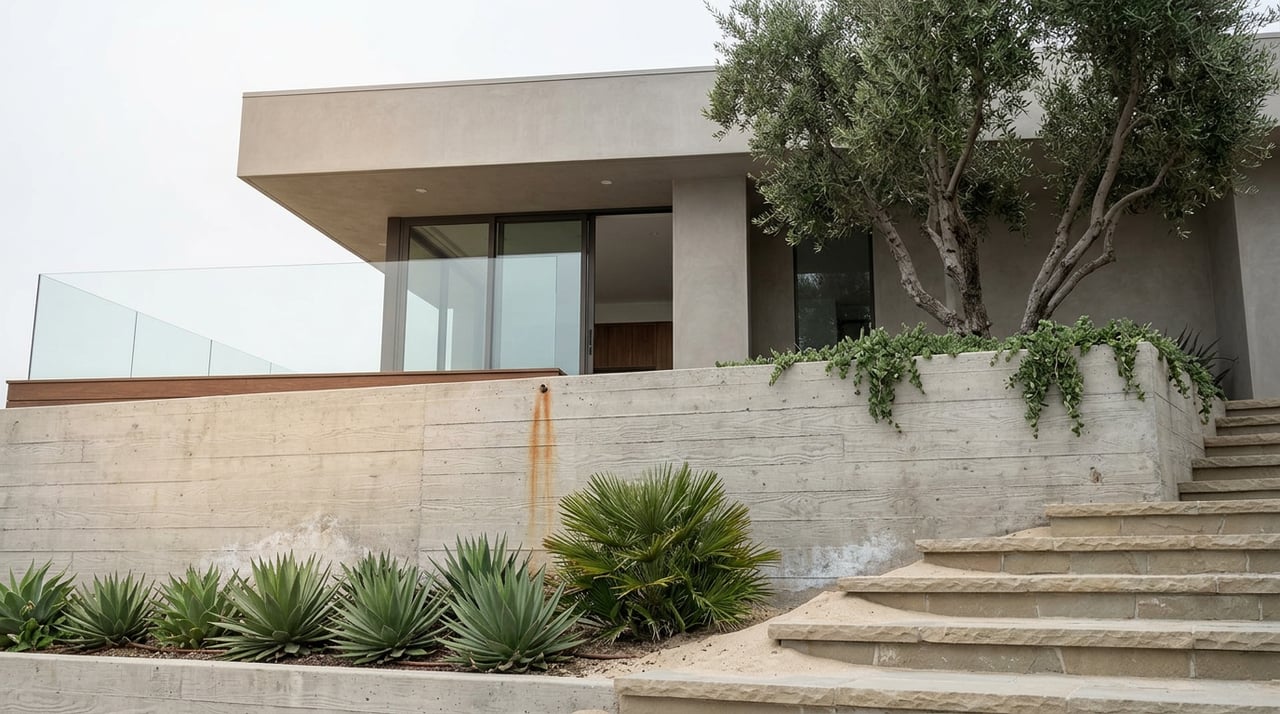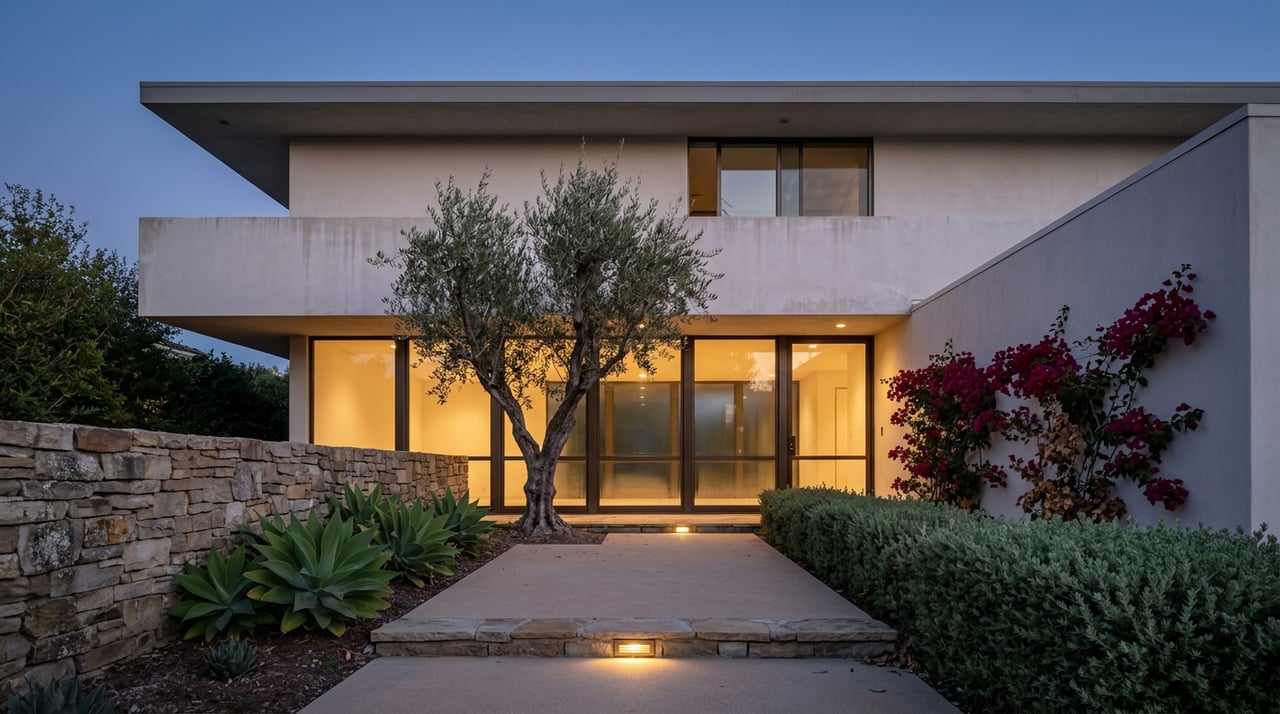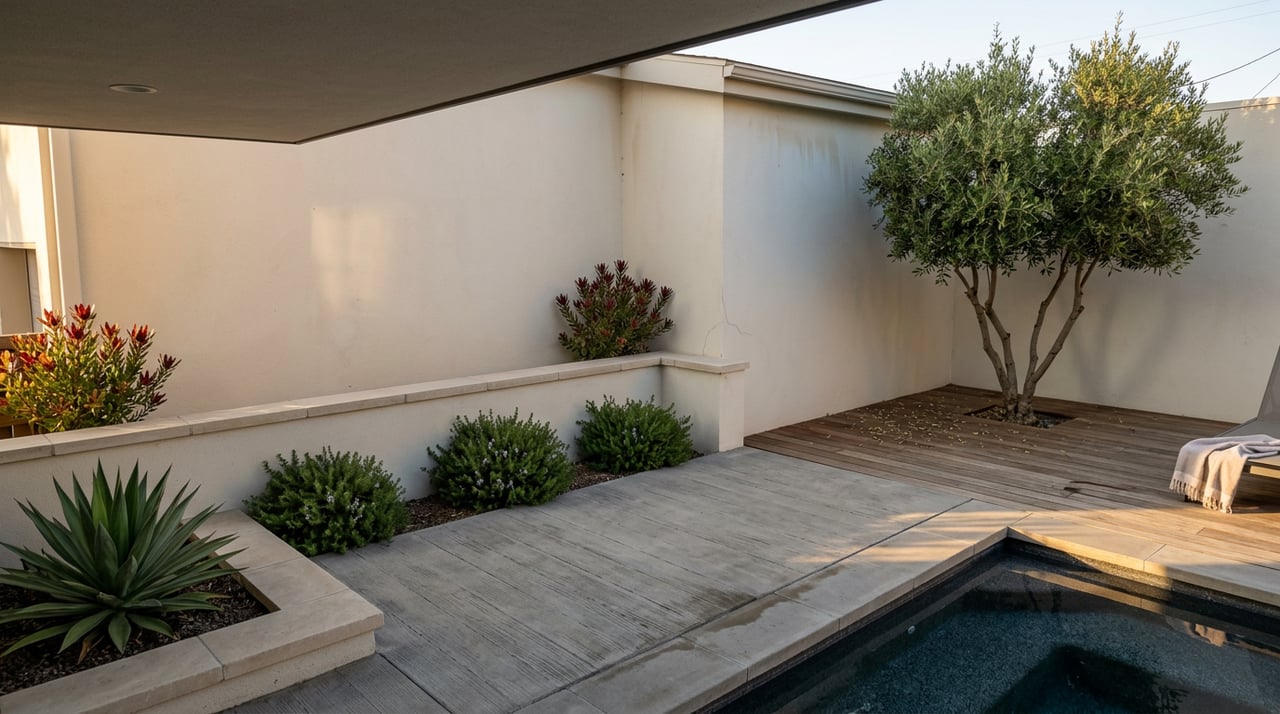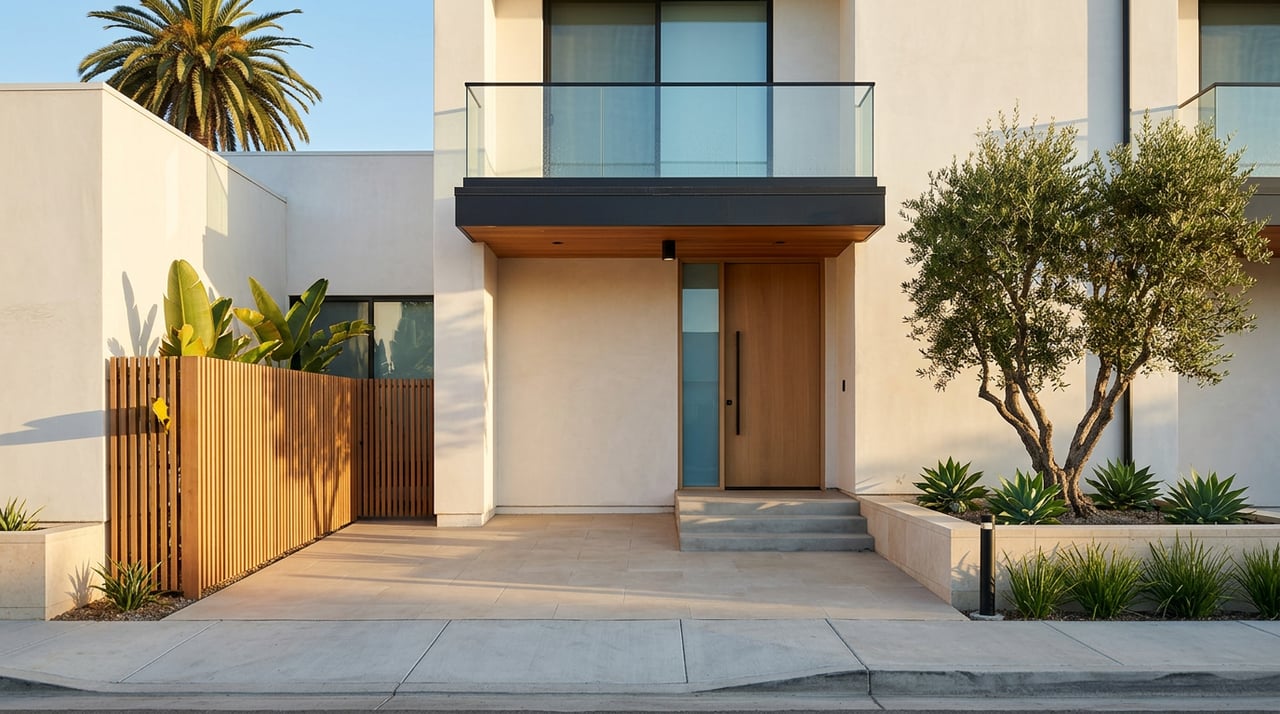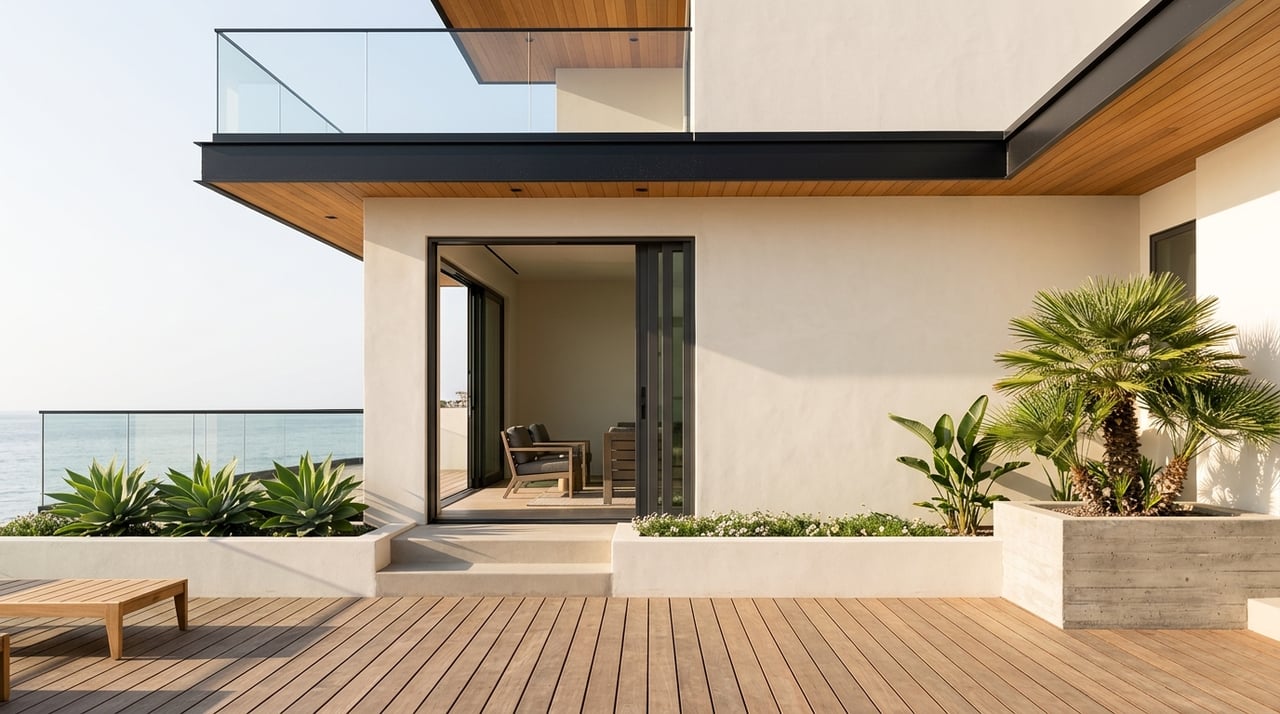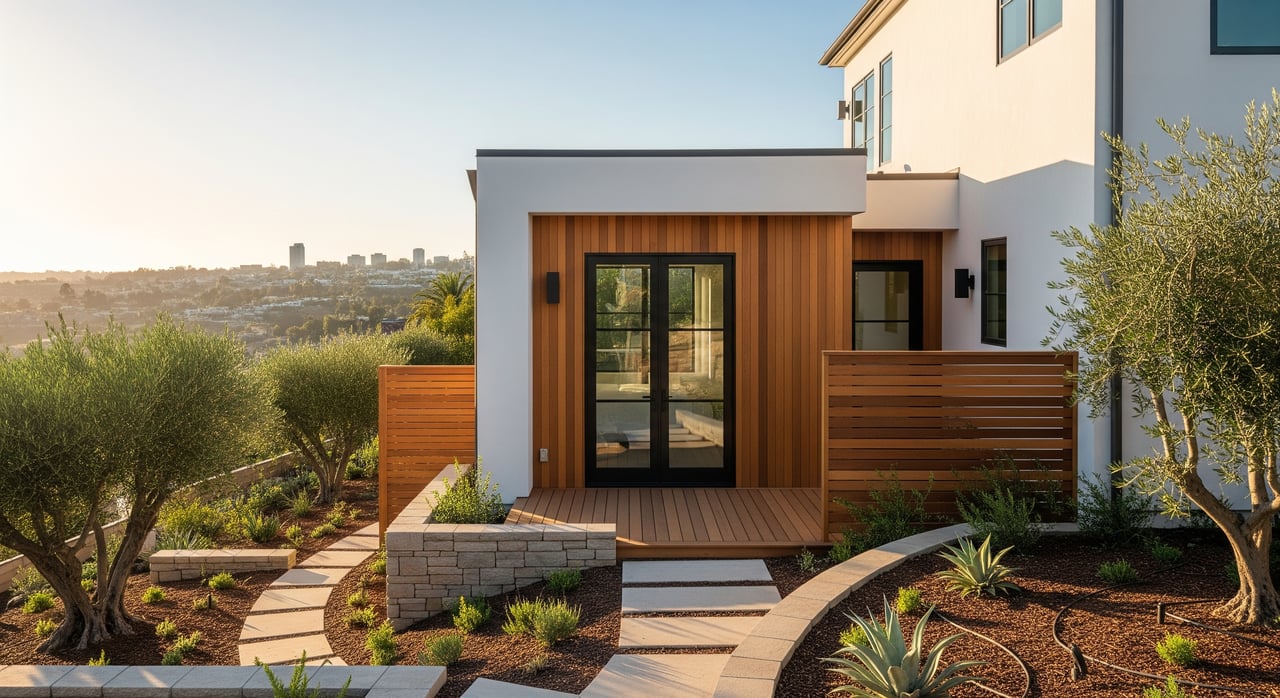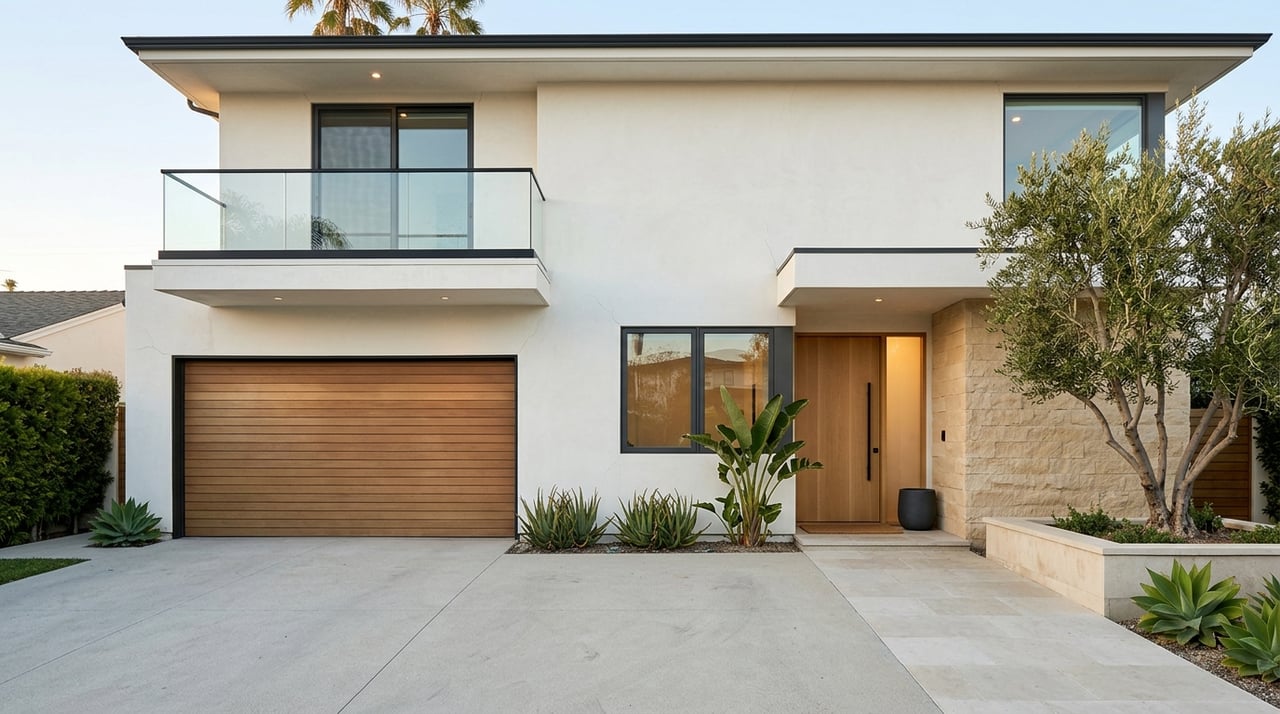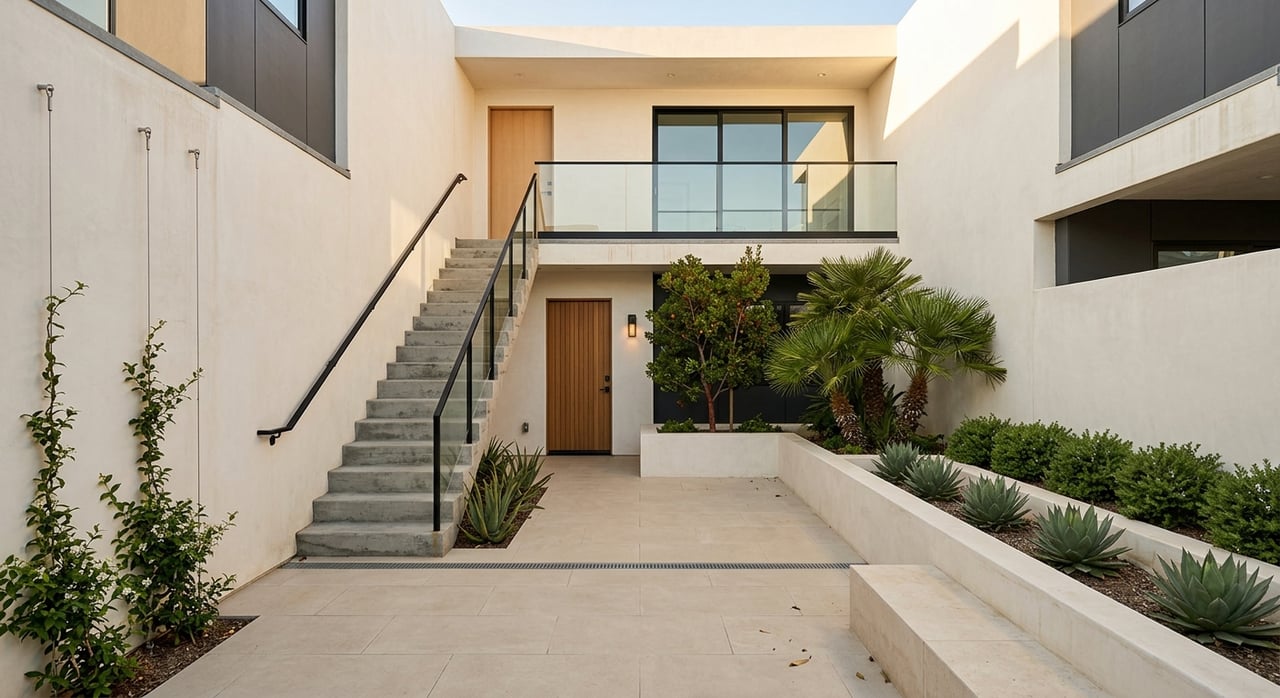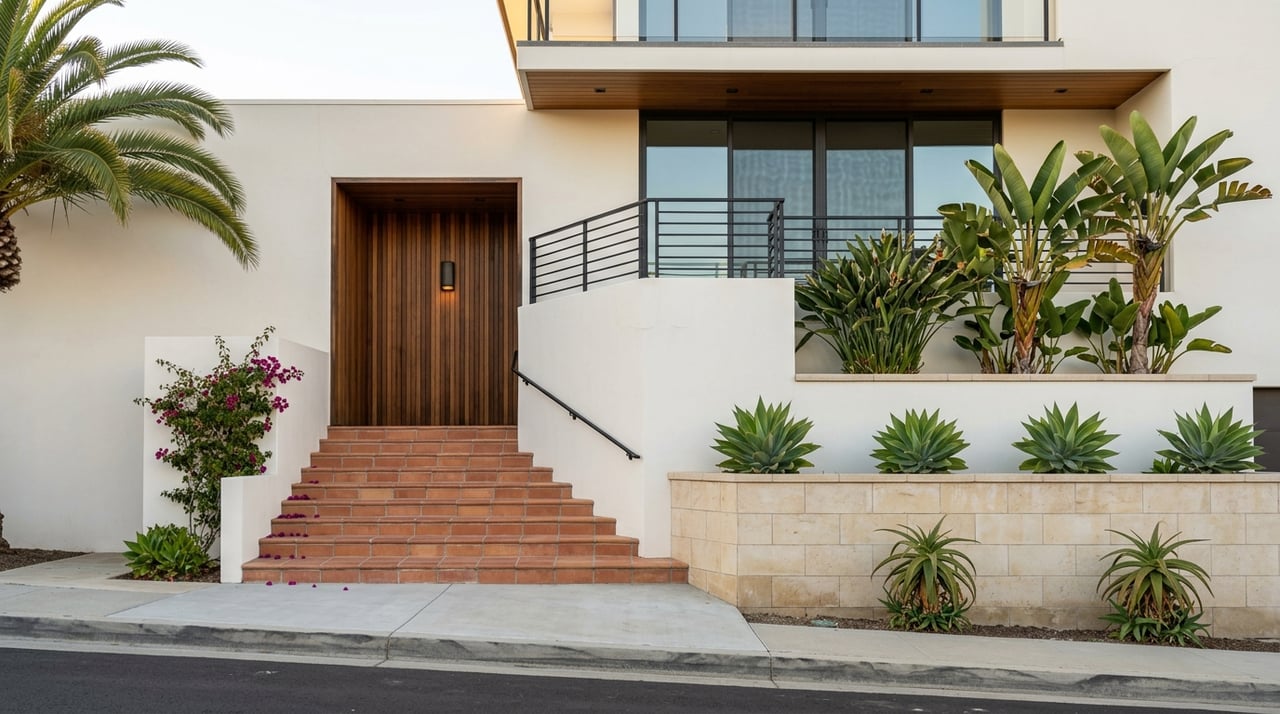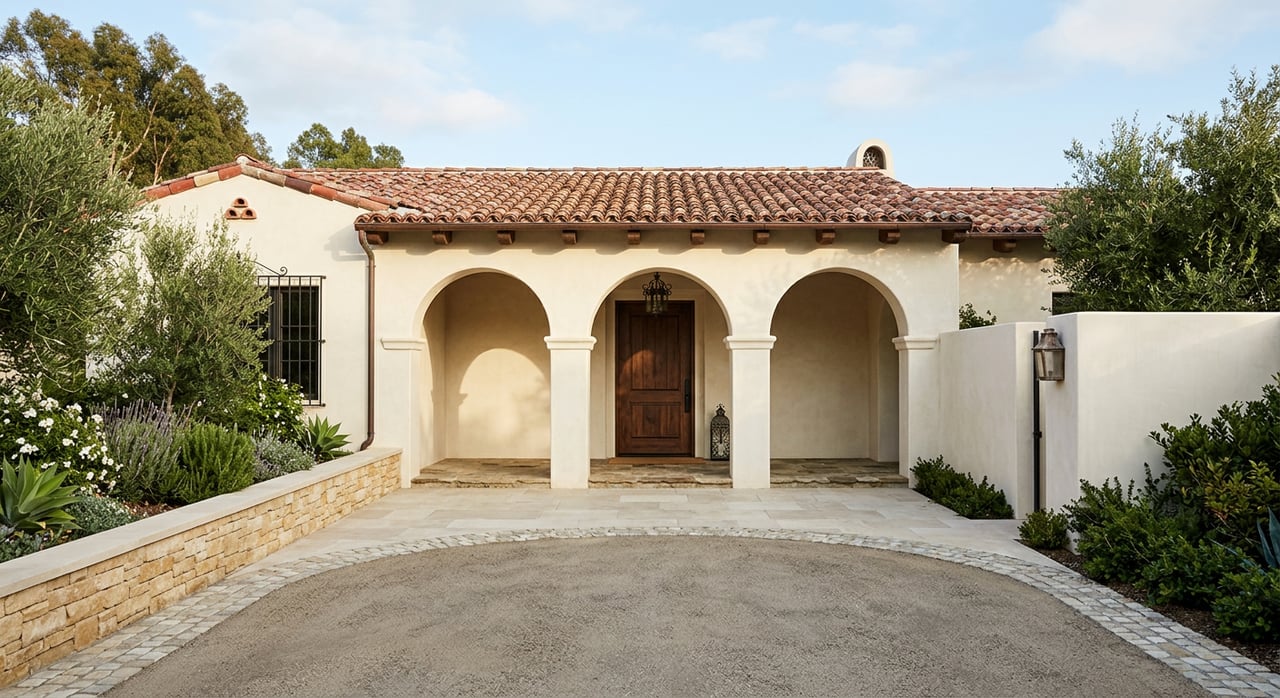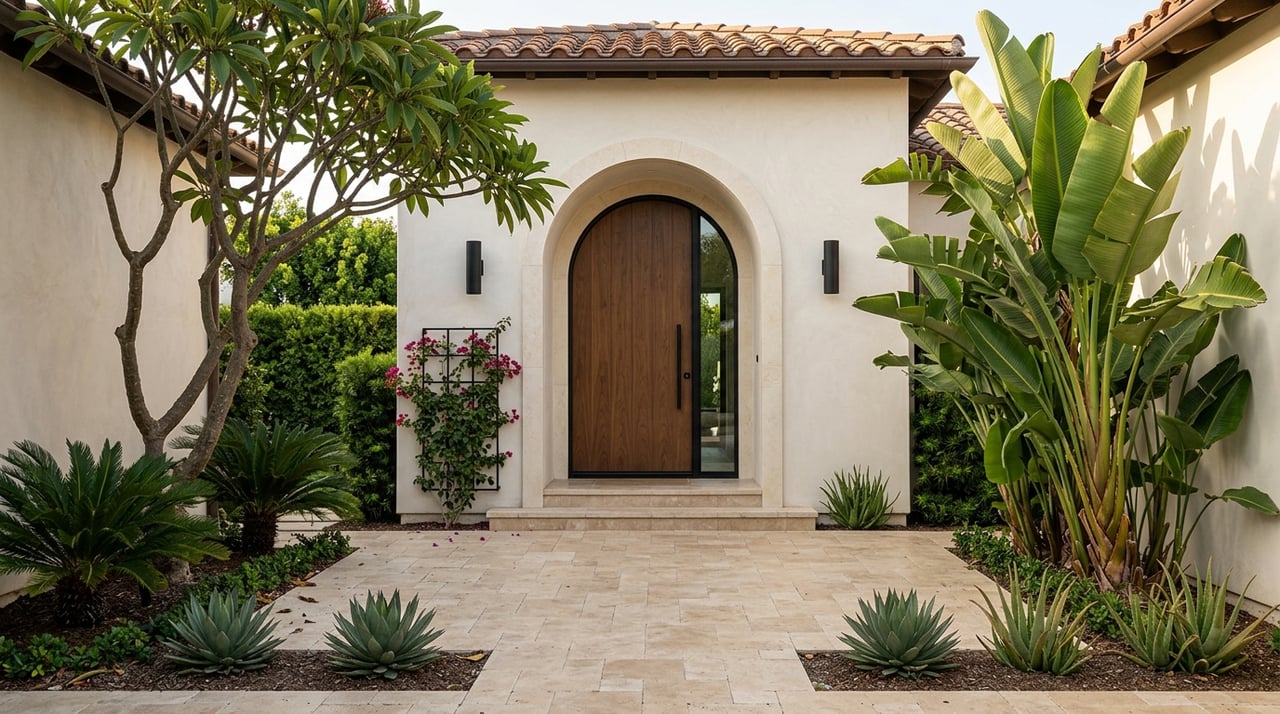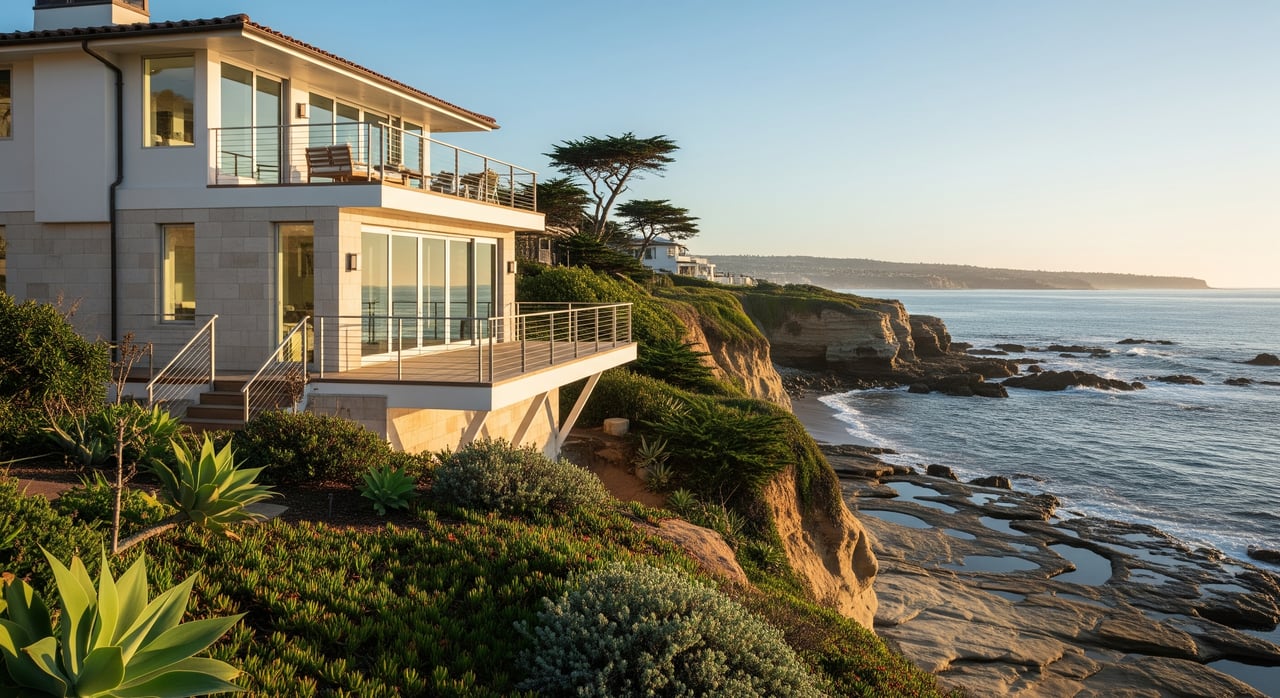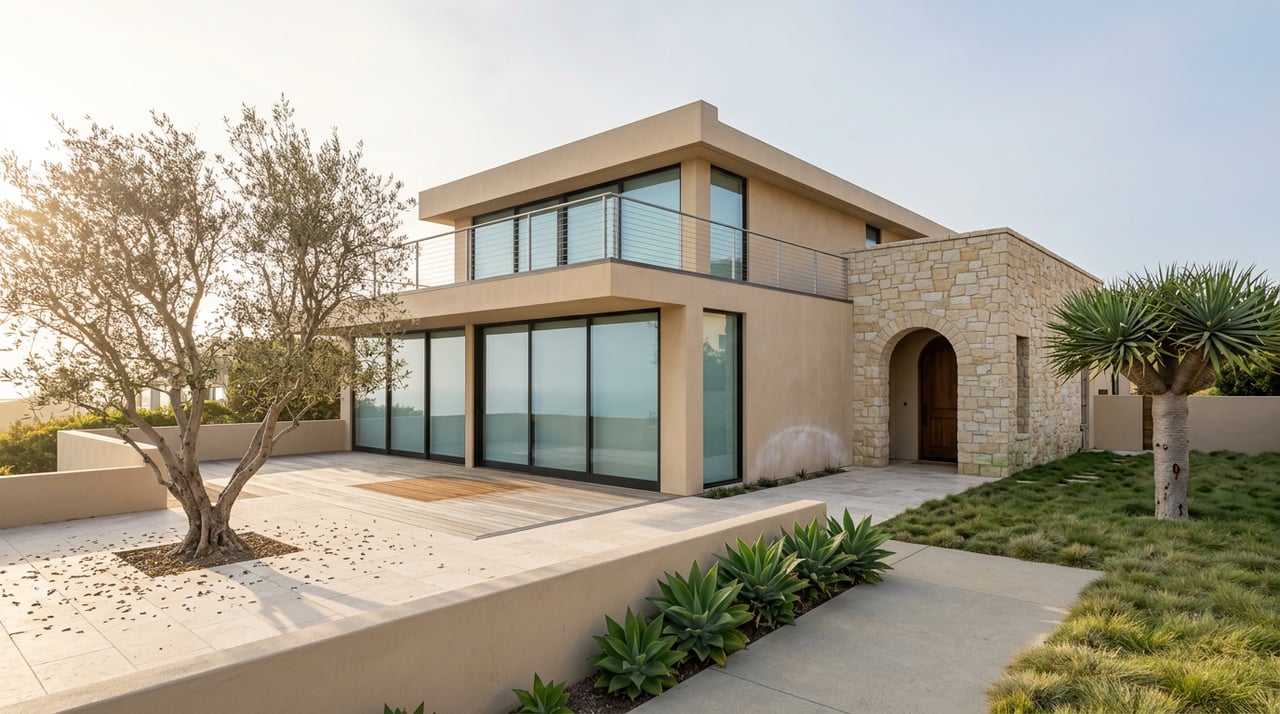
Walk a Bird Rock listing with a bluff-facing yard this fall and you'll likely hear some version of the same pitch: the California Coastal Commission just lost a major fight at the state's highest court, so the old fear of getting a project blocked mid-stream is fading. That much is true. What often gets left out is that the ruling settled a question about who gets to say no to a permit, not how close to the edge of a bluff you're allowed to build one.
For anyone shopping bluff-top or bluff-adjacent property in La Jolla this year, that distinction is worth more than the headline.
What the Supreme Court actually decided
On April 23, 2026, the California Supreme Court ruled unanimously, 7 to 0, in Shear Development Co., LLC v. California Coastal Commission. The case had nothing to do with San Diego. It started in Los Osos, a coastal town in San Luis Obispo County, where a developer had county approval to build homes on lots it had owned since 2003. The Coastal Commission appealed the county's own decision to itself, then denied the permit, arguing it had jurisdiction based on a map figure buried in a county planning document rather than the official maps in the certified Local Coastal Program.
The court sided with the developer. Chief Justice Patricia Guerrero wrote that the Commission and local governments "share responsibility for planning coastal development," and that once a city or county has an approved coastal program in place, the Commission cannot rewrite or veto individual projects that already comply with it. Courts, the opinion held, should apply their own independent judgment when a dispute turns on how to read a Local Coastal Program, rather than defer automatically to the Commission's interpretation.
Because San Diego operates under its own certified Local Coastal Program, the ruling applies here too. In practice, it narrows the situations where the Commission can appeal a City-approved coastal permit to itself in an area like La Jolla, and it removes the automatic thumb on the scale the Commission used to get in disputed jurisdiction calls.
What it does not do is touch a single number in San Diego's bluff setback code.
The 40 feet that never moved
San Diego Municipal Code Section 143.0143(f) sets the baseline: new development on a coastal bluff has to sit back at least 40 feet from the bluff edge. That number predates the ruling and survives it untouched.
In practice, 40 feet is rarely the final number. Any project close to a bluff also has to account for how far the bluff is expected to retreat over the structure's 75-year design life, plus enough extra distance to keep a safety factor against slope failure. Add those together on a typical La Jolla or Bird Rock lot and the real setback commonly lands well past 40 feet, closer to 65 feet or more once the geotechnical math is finished. A reduction down to 25 feet exists on paper, but only when a licensed geologist can show the site is stable enough that the project won't contribute to erosion and won't ever need a seawall or other shoreline armoring to protect it. That is a high bar on a coastline where the Coastal Act already discourages new armoring because it accelerates beach loss.
Getting that geotechnical report done for a standard bluff-top residential lot in this area commonly runs somewhere in the $8,000 to $15,000 range, sometimes more on a site with prior landsliding or unusually complex geology. That is before architectural fees, before the Coastal Development Permit application, before anyone at the city has looked at a floor plan.
None of that changed on April 23. The Supreme Court settled who gets the final word when a city and the Commission disagree about jurisdiction. It didn't reduce a single required foot of setback or waive a single geotechnical requirement.
| What's actually true | Before April 23, 2026 | After April 23, 2026 |
|---|---|---|
| Commission's ability to appeal a City-approved permit to itself | Broad, with room to claim jurisdiction on contested grounds | Narrowed, requiring a clearer legal basis under the certified LCP |
| 40-foot baseline bluff setback (SDMC 143.0143(f)) | In effect | Unchanged |
| 75-year erosion projection added to setback math | Required | Unchanged |
| Coastal Development Permit for bluff work | Required | Still required |
| City-level design review (FAR, drainage, fencing) | Required | Still required |
What's happening at the review table right now
San Diego's own posture on bluff erosion reinforces the same point. The City Council voted 8 to 0 on September 9, 2025 to adopt the city's Coastal Resilience Master Plan, a program aimed at protecting public infrastructure along the coast, with La Jolla Shores named as one of six priority pilot sites. The plan is about public assets like parks and roadways rather than private setback rules, but it signals that the city sees bluff erosion as an ongoing, worsening problem it intends to keep managing closely, not one it's about to loosen up on.
You can see that posture in action in a case that had nothing to do with the Supreme Court at all. On April 15, 2026, the La Jolla Development Permit Review Committee took up a proposed remodel of a bluffside home in Bird Rock. The plan called for demolishing about half of an existing 1,957-square-foot house and rebuilding it into a 4,388-square-foot residence with an attached garage, more than doubling the footprint. The committee didn't approve it that day. Instead it sent the applicant back for more detail on fence materials, floor area ratio calculations, bluff setback plans, drainage, and a graphic showing how the finished home would sit relative to its neighbors.
That level of scrutiny is worth sitting with. A remodel that expands a structure's value by more than half generally has to bring the whole building up to current setback standards, not just the new square footage. A near-doubling of a home's size is exactly the kind of project that triggers that rule. The Bird Rock case shows what that looks like on the ground: the city's own Development Permit Review Committee, not the Coastal Commission, asking for the paperwork most buyers never think to request until they're already in escrow.
The due diligence that actually matters now
For a buyer looking at a bluff-top or bluff-adjacent address, the practical shift from the Supreme Court ruling is narrow: less risk that a City-approved project gets second-guessed later by the Commission on shaky jurisdictional grounds. Everything else on the pre-offer checklist stays exactly where it was.
Before writing an offer on a bluff-top listing in La Jolla, it's worth confirming:
- Whether the property has an existing geotechnical report on file, and how recent it is
- The full Coastal Development Permit history for the lot, to confirm any past exterior work was properly permitted
- Whether the property sits in an appealable area, generally within 300 feet of a beach or the top of a coastal bluff, where Commission review can still apply even after this ruling
- Whether advertised "expansion potential" accounts for the 75-year erosion setback, not just the 40-foot statutory minimum
- Any Natural Hazard Disclosure language addressing bluff or erosion conditions, since coastal erosion itself isn't a state-mandated disclosure category the way flood or fire zones are
La Jolla is close to fully built out, which means most bluff-top work here is remodel and infill rather than ground-up new construction. That raises the odds that whatever you're looking at already carries permit history, prior approvals, or site conditions that a geotechnical engineer and a permit records search will surface faster than a listing photo ever will.
A few questions worth asking directly
Does the Supreme Court ruling mean I can skip the Coastal Development Permit process? No. The ruling limits when the Coastal Commission can override a city's approval. It doesn't remove the requirement to get a Coastal Development Permit for bluff work in the first place.
Is every La Jolla bluff lot in an area the Commission can still appeal? Not necessarily, but many bluff-edge properties fall within 300 feet of the coast or bluff top, which keeps them in an appealable zone under state law. That status is worth confirming for any specific address before assuming the ruling changes your project's risk profile.
If a seller doesn't have a geotechnical report, does that kill the deal? Not automatically, but it shifts the timeline and the cost onto the buyer's side of escrow. Given that a comprehensive coastal geotechnical analysis commonly runs $8,000 to $15,000 and takes time to complete, it's a detail worth raising well before your inspection contingency clock starts running.
Bluff-top real estate in La Jolla rewards buyers who separate the legal headline from the site-specific math. The Supreme Court changed the first. The second still belongs to a licensed geotechnical engineer, a survey, and whatever the city's Development Permit Review Committee wants to see before it signs off.
If you're evaluating a bluff-top or bluff-adjacent property in La Jolla or Bird Rock and want a clear read on permit history, setback math, and what a listing's "expansion potential" actually means on the ground, Ryan & Tracie can walk the file with you before you write an offer. Schedule a private La Jolla consultation to start.